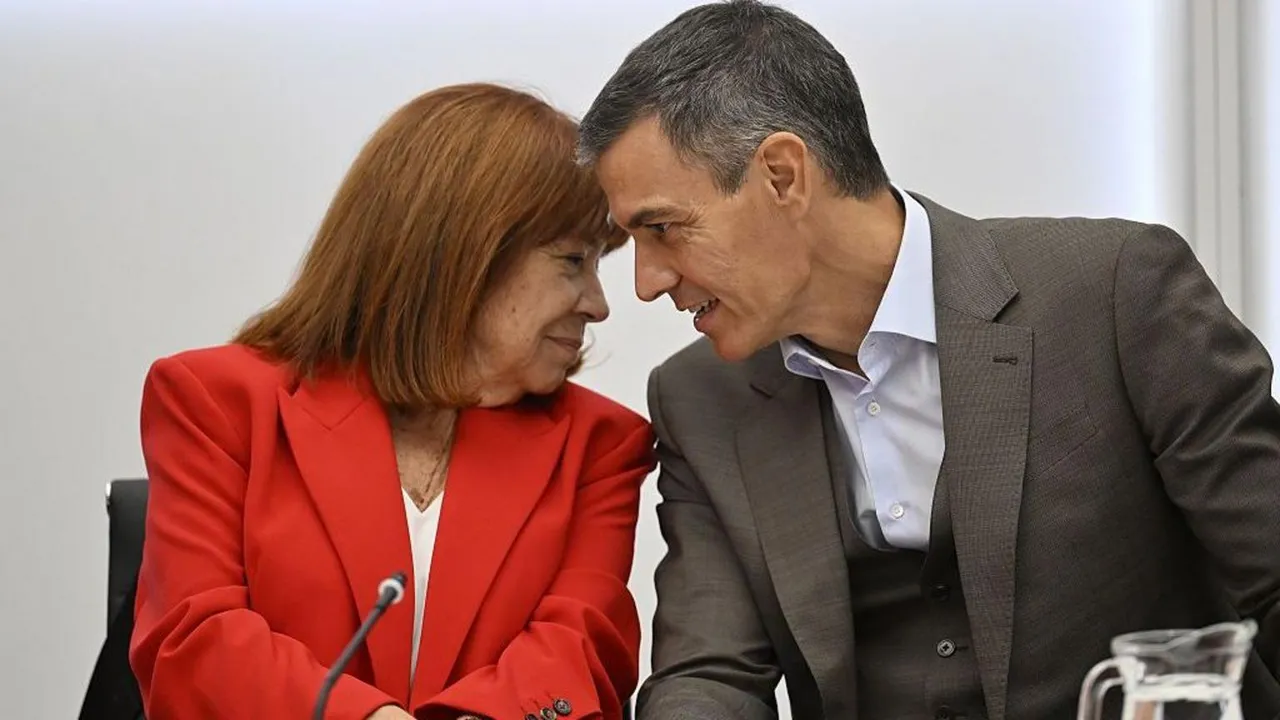
Spanish Prime Minister Pedro Sánchez has called a snap election for 29 November, following a narrow parliamentary defeat over a package of housing measures aimed at improving conditions for tenants and addressing soaring rental costs.
The measures were rejected in congress after parties on the right voted against them. The result confirmed that Sánchez's left-wing coalition no longer commands a parliamentary majority.
Housing has emerged as the dominant issue in Spanish politics. Polls indicate it is the biggest concern among voters, making it a central battleground for the upcoming campaign.
Analysts describe the election call not as a reactive move, but as a calculated political decision. Sánchez has faced a difficult period in recent months, with his government beset by a series of scandals and governance challenges.
His Socialist Party has been linked to corruption cases involving former senior figures Santos Cerdán and José Luis Ábalos. Former Socialist Prime Minister José Luis Rodríguez Zapatero is also facing accusations of having financially benefited from the government's bailout of an airline. Zapatero has denied any wrongdoing.
Sánchez's wife, Begoña Gómez, is due to stand trial over allegations of misuse of funds and influence peddling. Both she and Sánchez have vehemently denied the accusations.
The government has also struggled to manage a migration crisis in the Spanish exclave of Ceuta in North Africa, where more than 70,000 migrants arrived suddenly in July. Most have since returned across the border to Morocco, but the situation has become a significant political and logistical burden for the prime minister.
The centre-right People's Party (PP) and the far-right Vox have consistently opposed initiatives put forward by the Sánchez government, which they have long characterised as illegitimate due to its scandals and its reliance on support from Catalan and Basque nationalist parties.
On housing policy specifically, right-wing parties have argued that direct state intervention in the housing market is counterproductive, a position that puts them at odds with the measures Sánchez has been advocating.
Earlier this year, Sánchez's international profile rose following his outspoken criticism of Israel's actions in Gaza and his public clashes with US President Donald Trump. At the time, there was speculation he might capitalise on that momentum on the left and call an early election. He did not.
The housing issue is now seen as a more reliable tool for mobilising left-wing voters. However, polls show the Socialists trailing the PP, meaning that retaining power after the November vote is likely to represent the most significant challenge of Sánchez's political career.