Five former Barclays traders convicted during one of the biggest financial scandals of the 2008 crisis have had their convictions overturned by the Court of Appeal.
Jay Merchant, Jonathan Mathew, Philippe Moryoussef, Alex Pabon and Colin Bermingham were originally convicted of conspiracy to defraud following trials over the manipulation of key interbank interest rates.
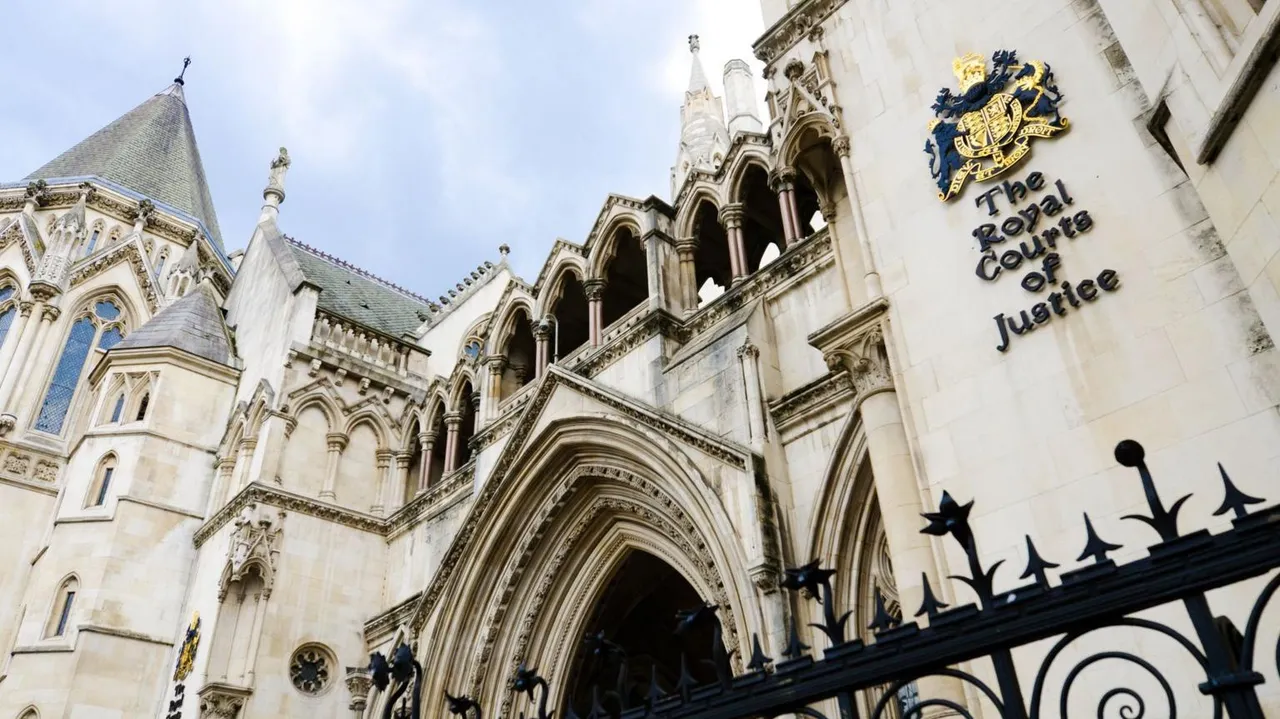
The Court of Appeal quashed their convictions on Wednesday. Full reasons behind the ruling were to be given later the same day, according to Lord Justice Edis.
The five men had been prosecuted over alleged attempts to influence Libor and Euribor, two benchmark interest rate mechanisms used at the time to set borrowing costs on a range of financial products, including mortgages and car finance deals.
Merchant, Mathew, Pabon and Bermingham all served various jail terms following their convictions. Moryoussef was sentenced in his absence in 2018 and never returned to the United Kingdom to serve time after France refused to extradite him.
The ruling follows the overturning of convictions of two other former City traders last year, which opened the door for the remaining convicted traders to appeal.
Tom Hayes, a former trader at Swiss bank UBS and the first banker jailed in the scandal, won a decade-long legal battle to have his conviction overturned at the Supreme Court in July 2025. Fellow trader Carlo Palombo, jailed in 2019, also had his conviction quashed. Both men argued they had been wrongly prosecuted for what were normal commercial practices, in order to appease public anger toward the banks during the financial crisis.
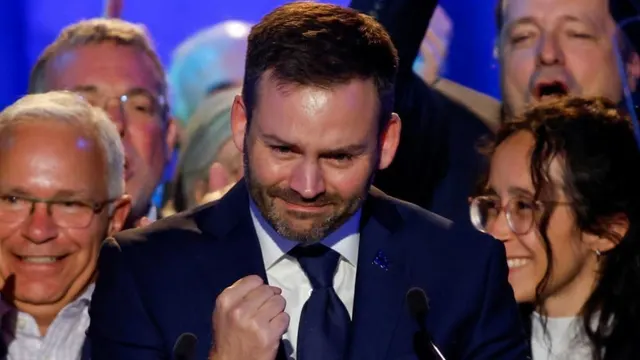
Alex Pabon, 48, credited Hayes for driving the process forward. Hayes had refused to "let it go" and had "pushed this through" for the rest of them, Pabon said.
Jonathan Mathew, 45, said the experience had been a burden for a decade.
"Having this conviction quashed is not simply about correcting the record, it's about finally having validation that this is an injustice that never should have happened," Mathew said. "I now have two children and this means a great deal to have the record corrected for their sake as well."
Jay Merchant, 55, said he looked forward to moving on with his life, but added that part of that would be "ensuring that those responsible for what happened are held fully accountable."
The Libor scandal emerged in 2012, when it was discovered that banks had been misrepresenting their positions during the rate-setting process at the time of the financial crisis, helping to boost profits and mask difficulties. The financial crisis itself began in 2008, triggering recessions across multiple countries and prompting taxpayer-funded bailouts of major financial institutions.
The traders had been cast by prosecutors as symbols of banker greed amid widespread public anger during that period. Approximately 19 City traders were convicted in the United States and the United Kingdom between 2015 and 2019, across nine criminal trials held in London and New York.
The Serious Fraud Office, which brought the original prosecutions, has not opposed the appeals.
Barclays bank was contacted for comment.
Wednesday's ruling leaves just two traders with outstanding convictions for interest rate rigging. Former Deutsche Bank trader Christian Bittar pleaded guilty in 2018 and served two years in prison. He is due to challenge his conviction on October 9. Former Barclays trader Peter Johnson, who was the original whistleblower in the Libor scandal but pleaded guilty on legal advice that he had little chance of winning at trial, also intends to appeal.