A man from Washington state has been arrested in connection with a mass school shooting at a Canadian secondary school, authorities announced Tuesday, revealing for the first time that the suspected attacker had an alleged online accomplice.
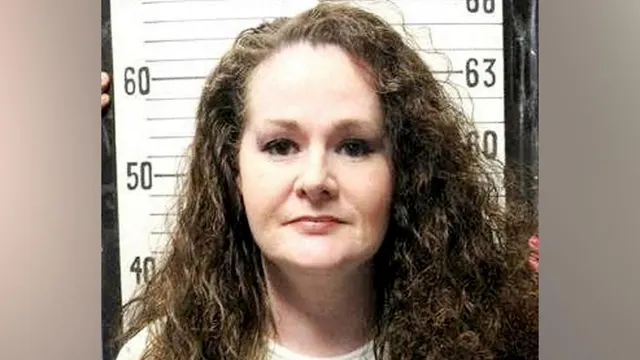
The US Department of Justice charged James Cody Bryant, 30, with conspiracy to murder persons in a foreign country. Bryant is a resident of western Washington state and will be prosecuted in the United States as a US citizen under an FBI investigation.
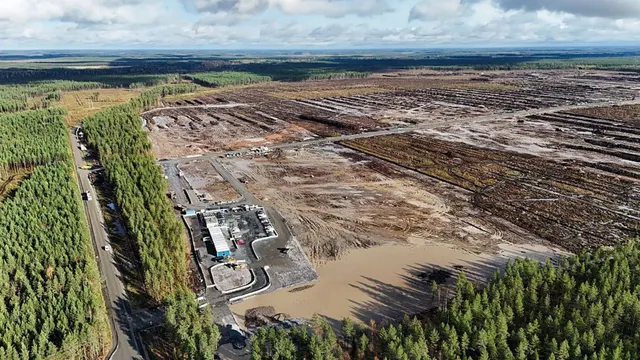
The shooting took place on February 10 at Tumbler Ridge Secondary School in Tumbler Ridge, British Columbia. Canadian police have identified the suspected attacker as Jesse Van Rootselaar, an 18-year-old former student at the school. Van Rootselaar shot and killed her mother and half-brother at their home before travelling to the school and opening fire. Six people were killed at the school, including five students, and 27 others were injured. Van Rootselaar died by suicide at the end of the attack. The total death toll, including her mother and half-brother, stands at eight, making it the second-deadliest school shooting in Canadian history.
Prosecutors allege Bryant provided Van Rootselaar with money and technical advice over the internet for approximately six months leading up to the attack. Bryant allegedly sent Van Rootselaar around $100 to buy shoes and approximately $15 for a lighter.
Authorities said the pair first met on the now-defunct messaging service Omegle roughly three years before the shooting and remained in contact. Prosecutors also allege the two communicated through Discord, where they discussed how to carry out the attack and how to maximise notoriety afterward.
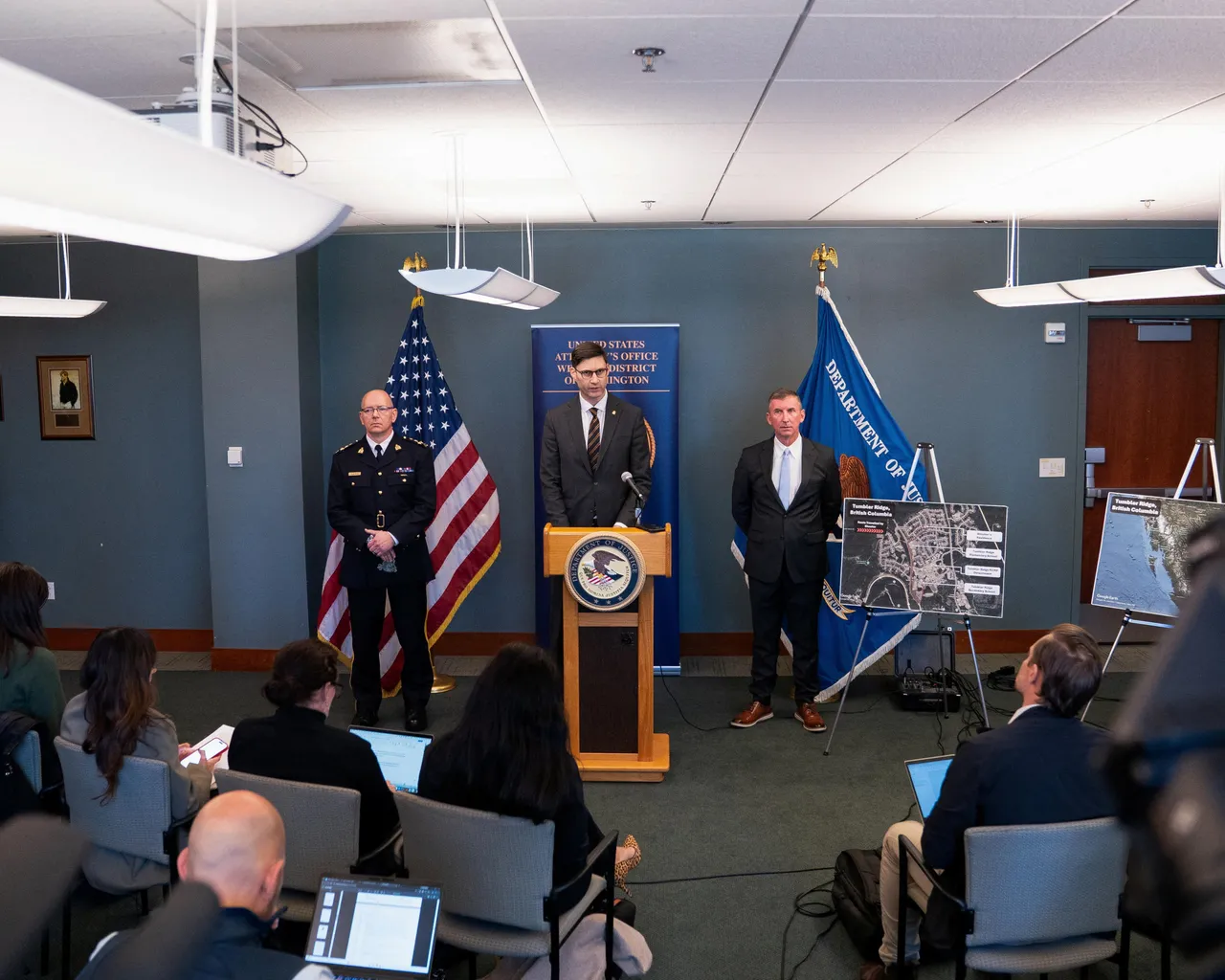
Bryant allegedly agreed to livestream the shooting through Twitch. Acting US Attorney Neil Floyd said at a news conference in Seattle that investigators are not certain Van Rootselaar would have carried out the attack had Bryant not agreed to do so.
Court documents allege Bryant was "knowingly and wilfully" conspiring with Van Rootselaar beginning in or before August 2025. That month, Bryant told Van Rootselaar the pair should "find a way to delete" their messages. In mid-December, Bryant allegedly suggested using a VPN to avoid detection for "posting a shooting video online."
On several occasions, Bryant attempted to dissuade Van Rootselaar from carrying out the attack but did not contact law enforcement, police said. Prosecutors allege Bryant later admitted to investigators that she was "maybe the only one who could have stopped the shooter."
After Van Rootselaar shot and killed her mother and half-brother at the family home, she was unable to start the car. Bryant advised her remotely on how to start the engine, which authorities say allowed her to drive to the school and carry out the attack.
Authorities said there is no indication the two suspects ever met in person. It was not clear whether Bryant was represented by a lawyer.
"This was a horrific tragedy for that small community and for all of Canada," Floyd said at the Seattle news conference. "Indeed, here in the Pacific Northwest, we felt the pain of those families devastated by this violence."
The case has also drawn significant attention to the role of the AI chatbot ChatGPT. Van Rootselaar had used the platform, owned by OpenAI, to plan the attack. OpenAI's safety team internally flagged Van Rootselaar after she conducted conversations about gun violence on the platform, but the company did not alert law enforcement. Her account was closed, but she opened a second account that was not suspended.
OpenAI CEO Sam Altman issued a public apology two months after the shooting. "While I know words can never be enough, I believe an apology is necessary to recognize the harm and irreversible loss your community has suffered," he wrote, adding that OpenAI would take steps to prevent such events in the future.
In September, the British Columbia government sued OpenAI in a California court, seeking financial compensation for emergency response and community recovery costs and asking the court to compel the company to reform how it identifies and handles users who threaten violence. The lawsuit alleges OpenAI never undertook the policy changes Altman had promised.
By the time of that filing, OpenAI was facing more than 30 other lawsuits in California from victims' families, survivors, and others affected by the Tumbler Ridge attack over alleged negligence. Victims' families and the province of British Columbia have also sued Altman personally.
The FBI said it will continue working closely with Canadian authorities as the investigation proceeds.