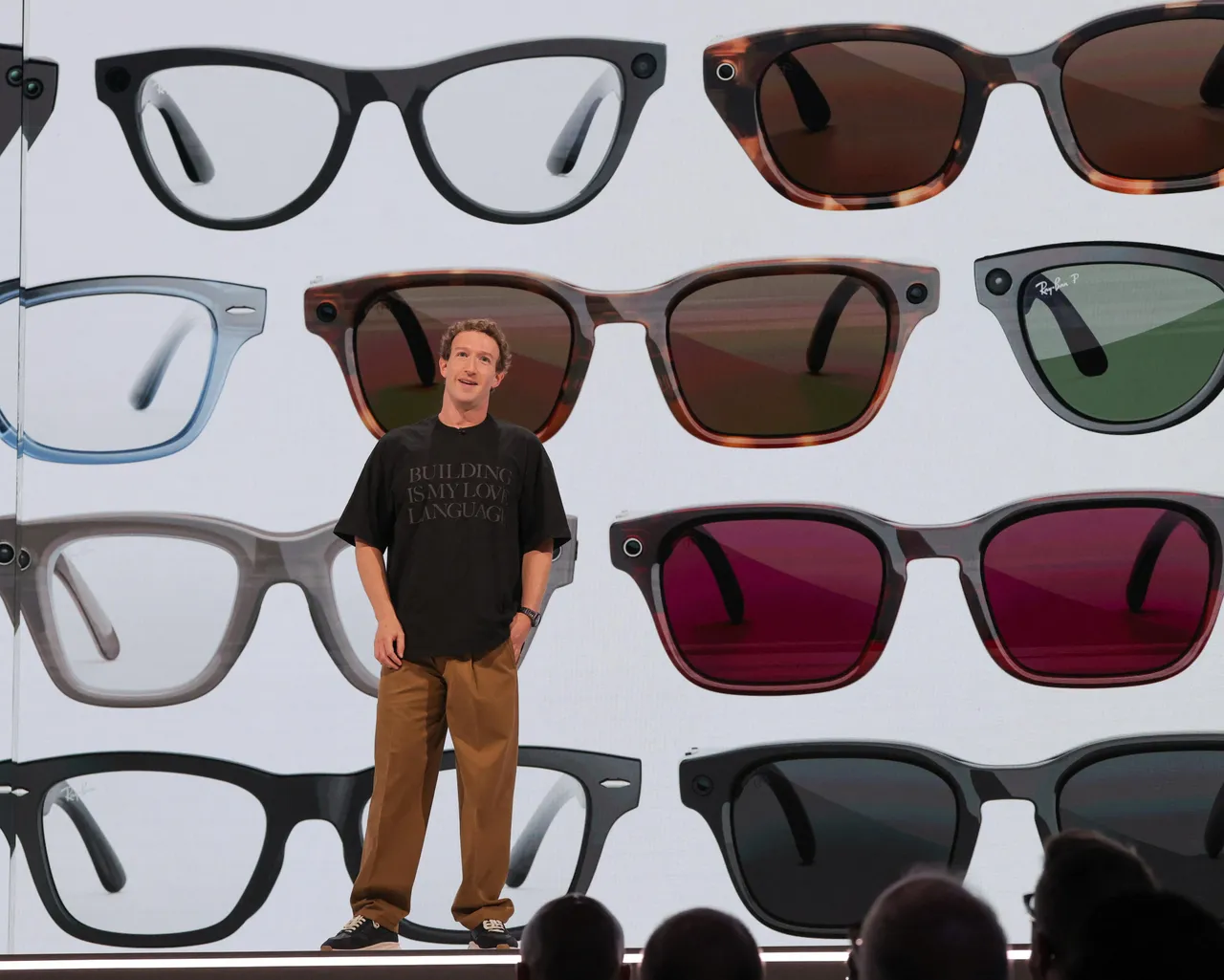
Norway's government has announced plans for a temporary ban on smart glasses in certain public spaces, citing growing concerns over covert recording.
The Oslo government is preparing a bill that would prohibit the use of camera-enabled smart glasses in parks, beaches, museums, shopping centres, schools, daycare centres, healthcare facilities, gyms and public events. Private use would still be permitted.
Torgeir Micaelsen, Norway's minister of digital affairs, said he was "worried that new, powerful technology is being introduced where people risk being photographed, filmed or audio-recorded without knowing it."
"We do not want a society where people worry about being recorded without their knowledge, photographed or filmed in places and situations where they are accustomed to not being monitored," he said.
Norway's Labour Party, which leads a minority government, will need the support of other parties to pass the legislation. The government said it planned to submit a bill "as soon as possible," while tasking an expert group with drawing up permanent regulations on the issue.
The announcement comes amid rising global concern over the spread of AI-enabled recording devices. A growing number of restrictions on smart glasses are already in place, including in courtrooms in the United Kingdom and the United States, as well as in pubs, cinemas and restaurants where owners have raised privacy concerns.
Meta sells smart versions of Ray-Ban and Oakley glasses that allow users to film, take photos, make phone calls, play music and execute AI prompts. The company has sold at least nine million pairs of the Ray-Ban versions since the start of 2023.
In France, the child welfare group E-enfance said it had received approximately 20 reports this year of women being filmed without their knowledge using camera-fitted glasses, the majority involving Meta smart glasses. The group said the incidents often followed a similar pattern: a young girl or woman approached in a public place, filmed without her knowledge, with the footage then posted on social media as a prank or street interview.
In the United Kingdom, restaurateurs and pub chains have said they do not want customers using the devices on their premises. Cinemas said in August they had begun introducing policies to ban or restrict smart glasses, citing both privacy and film piracy concerns.
In California, Governor Gavin Newsom last week vetoed legislation that would have penalised citizens for using smart glasses to record people without their permission in changing rooms, doctors' offices and other spaces generally considered private. The state already has laws governing unlawful recording.
Meta has stressed that each pair of glasses is fitted with a tamper-proof LED light that blinks white when the user is recording or taking pictures. The company advises users to stop recording if anyone objects.
A Meta spokesperson said: "We're excited that our glasses continue to be very popular for listening to music, making calls, or getting live translations, so we're continuing to expand styles and features around the world. Every pair with a camera has a bright light on the front that blinks when you take a photo or video. It can't be turned off and the camera is disabled if someone covers or tampers with it -- something smartphones and other cameras don't have."