Ethiopia and Eritrea have severed diplomatic relations amid renewed fighting in northern Ethiopia and growing fears of a wider regional conflict.
On Thursday, Ethiopia announced it was closing its embassy in the Eritrean capital, Asmara, and ordered 10 Eritrean diplomats to leave the country within 48 hours. Addis Ababa accused the diplomats of activities that posed "a direct threat to Ethiopia's national security."
Eritrea responded by cutting all diplomatic ties with Ethiopia, describing Addis Ababa's decision as "astounding." "Eritrea has no option but to reciprocate in kind and sever all diplomatic ties with Ethiopia," its foreign ministry said, warning of "negative corollaries" from the decision.
The diplomatic rupture came hours after powerful explosions were heard overnight in Addis Ababa, including near Ethiopia's military headquarters and close to the headquarters of the intelligence service. A source linked to the opposition alliance told reports that its forces had carried out drone attacks in the capital. Ethiopian authorities have not confirmed what caused the explosions, and there have been no official reports of casualties or significant damage.
Residents in two areas of Addis Ababa told sources they heard powerful explosions during the night. One resident near the intelligence headquarters said the blast was loud enough to trigger car alarms.
The explosions came hours after Ethiopia's National Intelligence and Security Service imposed an indefinite ban on drone flights over Addis Ababa and surrounding areas, citing the need to protect senior officials, important infrastructure, and public events.
Ethiopia has accused Eritrea of supporting an alliance of armed groups fighting the Ethiopian government, an allegation Asmara has repeatedly denied. A pro-government militia commander fighting in Tigray also alleged that Eritrean soldiers had been involved on the front lines. The claim has not been independently verified.
In a rare interview before diplomatic relations were severed, Eritrea's Information Minister Yemane Gebremeskel rejected the accusations. He said Ethiopia's governing Prosperity Party was blaming neighbouring countries to divert attention from conflicts and other problems within Ethiopia.
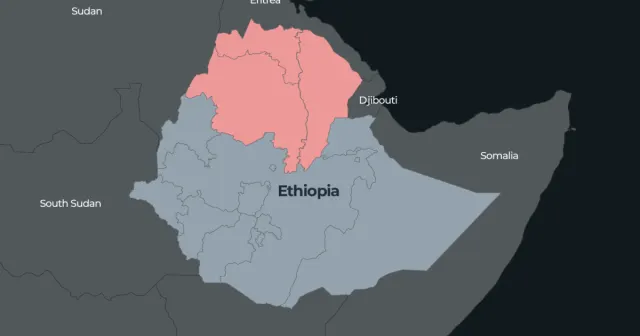
The diplomatic fallout comes as Ethiopian federal forces battle fighters from the Tigray People's Liberation Front (TPLF) and its allies across parts of Tigray, Afar, and Amhara. The latest hostilities are the most serious since a peace agreement ended the Tigray war in 2022. An African Union mediator previously estimated that approximately 600,000 people died during that two-year conflict.
Last month, the TPLF joined six other armed movements, including the Fano militia from Amhara, to form an alliance with the stated objective of removing Prime Minister Abiy Ahmed's government from power.
The two countries had been allies during the 2020-2022 Tigray war, when Eritrean troops fought alongside Ethiopian federal forces against the TPLF. Relations have deteriorated significantly since then, particularly over Ethiopia's push for direct access to the Red Sea.
Landlocked Ethiopia lost its coastline when Eritrea became independent in 1993. Prime Minister Abiy has repeatedly argued that sea access is essential to Ethiopia's long-term economic and security interests. Eritrea has accused his government of harbouring ambitions over its ports.
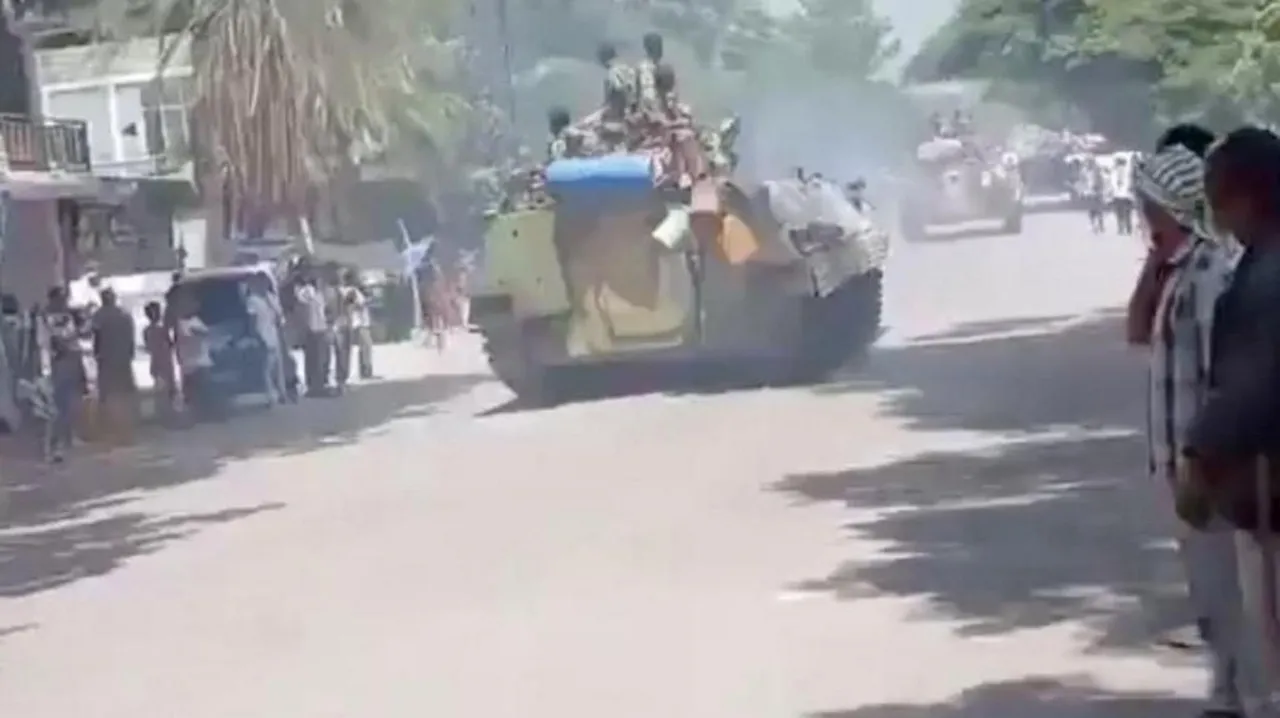
Meanwhile, fighting continues across northern Ethiopia. Federal forces and their allies appear to have made gains in southern Tigray and are advancing toward Mekelle, the regional capital. In Alamata, a doctor said earlier this week that at least 52 civilians had been killed during three days of intense fighting.