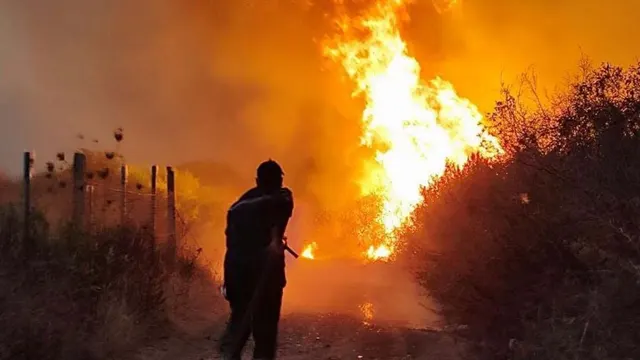
Students across France have set fire to schools and vehicles, including a fire engine, during increasingly violent protests over teacher shortages, overcrowded classrooms and deteriorating school buildings.
The unrest began at high schools in the Paris area before spreading nationwide. The French education ministry says protests have affected around 400 of France's 3,700 lycees, the high schools where students aged 15 to 18 spend their final three years of secondary education.
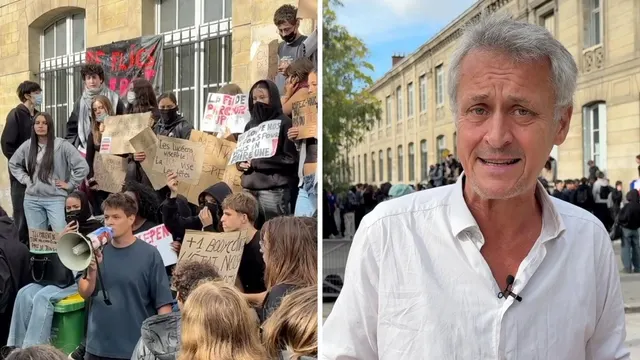
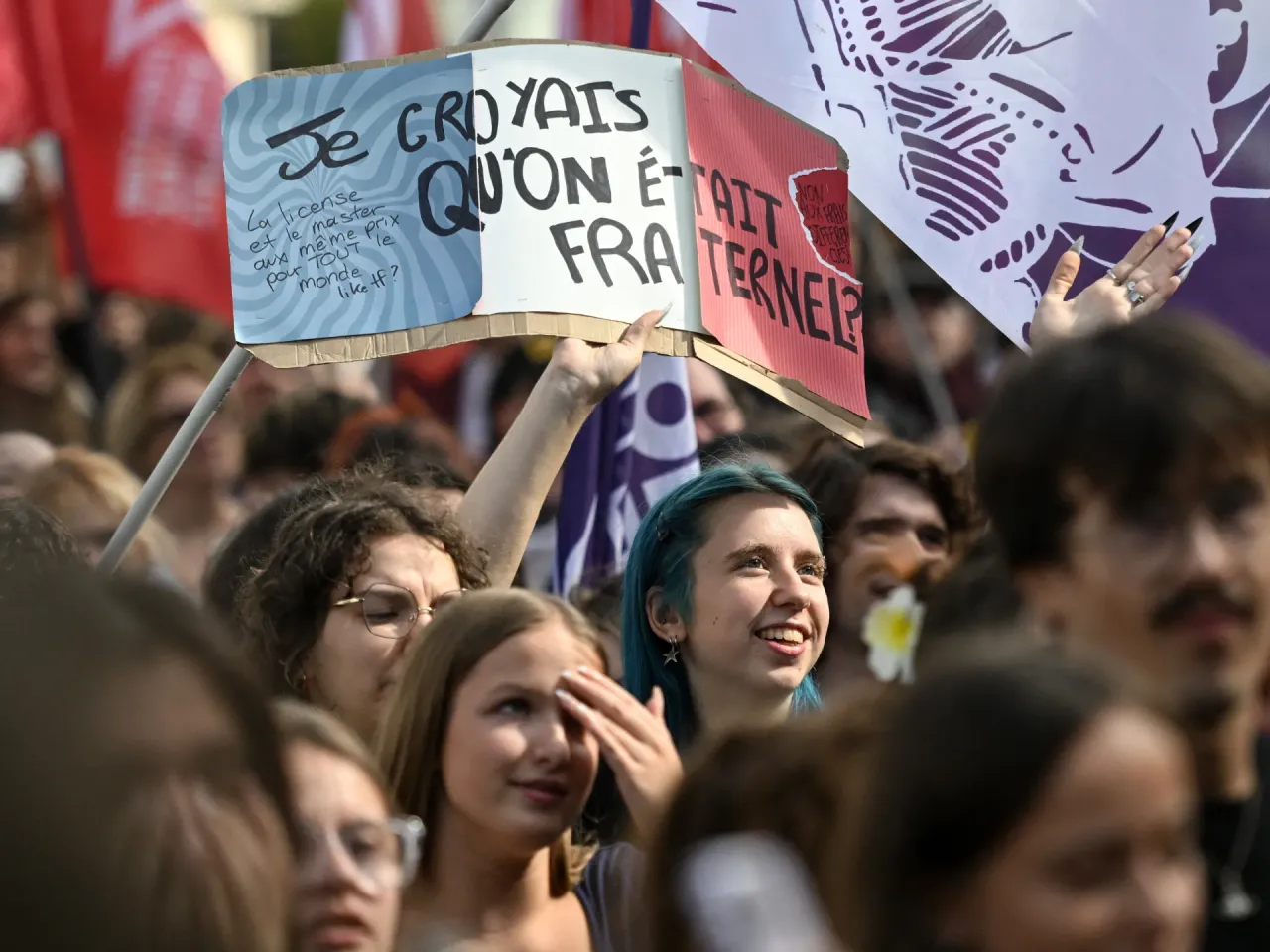
Student complaints include large class sizes, absent teachers who are not replaced, inadequate and poorly maintained buildings, and exhausting daily schedules. Outside the Lamartine lycee in Paris, students held placards protesting their timetables. One read: "8am-6pm. More hours of lessons than sleep."
Vincent Latour, professor of British studies at Universite Toulouse Jean Jaures, said grievances had been building since summer. "There has been discontent since successive heatwaves in June this year, which revealed the poor state of schools, with poor insulation and no air conditioning," he said. "The current wave is happening against a background of difficult conditions: missing teachers, teachers who are absent and not replaced, continued difficult material conditions, and discontent over working conditions and pay."
On Tuesday, protesters set fire to rubbish bins outside a high school in Lille and threw bottles, paving stones and other projectiles at police. Confrontations were also reported in Bordeaux, Rennes, Nantes, Lyon and Marseille. Officers responded with batons and tear gas in several locations.
At the Lycee Brequigny in Rennes, Brittany's largest high school, around 100 students threw projectiles at the building. In the Paris suburb of Seine-Saint-Denis, police carrying riot shields struck students with batons after a crowd formed. Authorities reported seven incidents in which hydrochloric acid was thrown at officers. A total of 48 law enforcement officers were injured.
Interior Minister Laurent Nunez said that 440 people had been detained nationwide on Tuesday, though he noted the tally was not final. Around two-thirds were subsequently placed in police custody. By Wednesday, that figure had risen to 625 detainees, mostly students, according to Nunez, who described the development as "an expansion of the movement."
Nunez condemned protesters who arrived with their faces covered and carrying projectiles, saying there was no justification for seeking confrontations with officers.
High school students also piled rubbish bins at the entrance to the Lycee Gabriel Guist'hau in Nantes, and around 80 students gathered outside the Lamartine school in Paris. On Thursday, students continued to blockade school entrances across the country.
In Saint-Denis, north of Paris, Mayor Bally Bagayoko joined hundreds of students outside the Paul-Eluard lycee. He described their protest as "completely legitimate" and said poorer areas received fewer resources than wealthier ones.
Latour noted the rapid growth of the movement. "The number of secondary schools involved has doubled over the last couple of days," he said.
The unrest coincided with a public sector strike over the government's budget plans, adding to political tensions ahead of next year's presidential election.