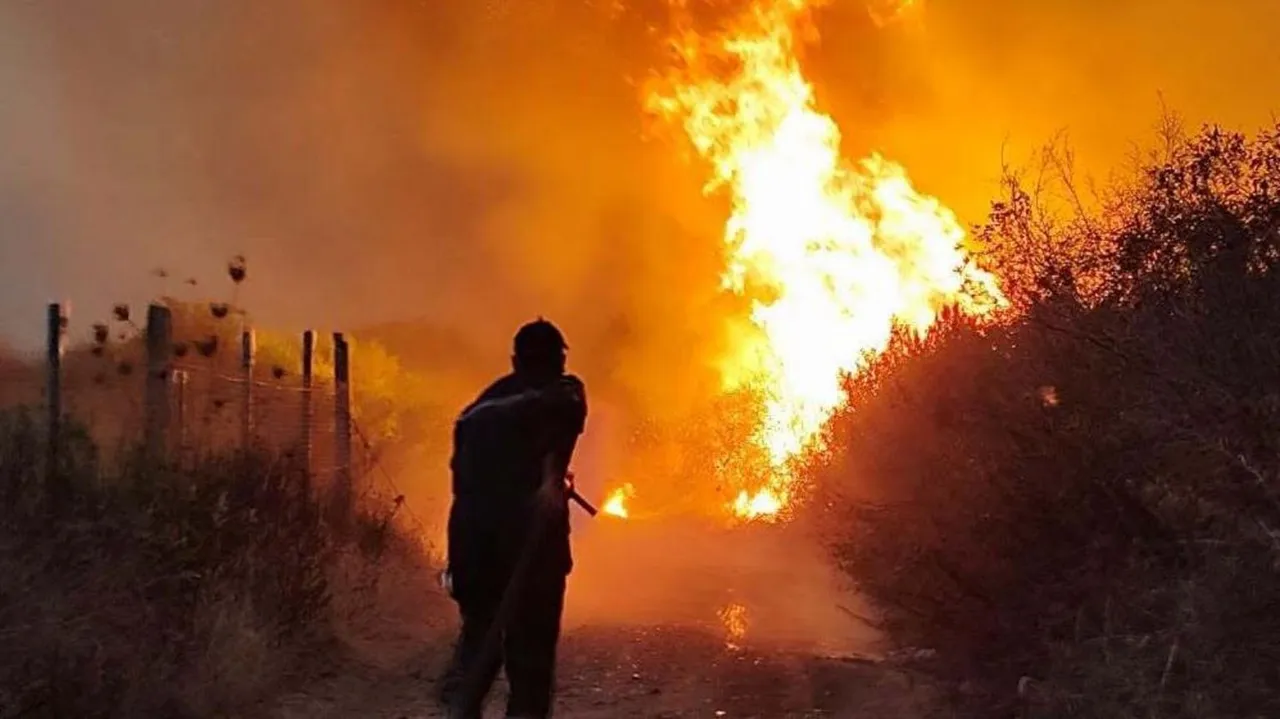
Algeria's lower house has adopted a law imposing the death penalty on people convicted of deliberately setting fire to forests, woods, or fields, following a series of deadly wildfires that swept through the country's northeast.
Members of the National People's Assembly voted on Thursday to amend the penal code. The legislation also extends capital punishment to child kidnappings involving torture, sexual assault, or mutilation.
President Abdelmadjid Tebboune ordered the Justice Ministry to introduce the changes after more than 100 fires broke out in the country's northeast during an intense heatwave. He called for the amendment in September, after at least 12 people were confirmed dead in the blazes.
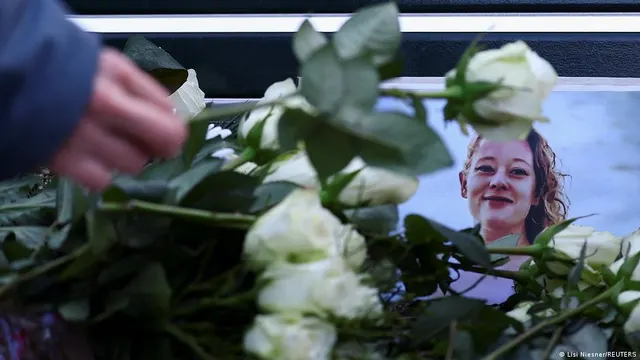
The official death toll stands at 12, but independent outlets believe the figure to be significantly higher. Investigative journalist Nozha Khelalef, who has been gathering names of the dead from family death notices and local authorities, puts the toll at 200. Her tally is published on the independent news website Twala.
Justice Minister Lotfi Boudjemaa defended the legislation before parliament. "The adoption of the death penalty for these acts is the appropriate legal response to curb these crimes," he said.
Boudjemaa also argued that arson had reached "the level of organised crime," with investigations suggesting links to "foreign parties."
The amended code would allow the death penalty for anyone who "attempts to undermine public security and order, national unity or economic and environmental stability," according to Algerian media.
Algeria has maintained a moratorium on executions since 1993, though capital punishment has remained on the books for certain offences. Death sentences have previously been handed down in terror-related cases. Tebboune has said those sentences would be enacted once appeals are exhausted.
The law will now be reviewed by the upper house, the Council of the Nation, before being officially ratified by the president.
Human rights organisations had urged parliament not to adopt the legislation and accused the government of using the penal code as a pretext to apply capital punishment against political opposition groups.
Amnesty International called the move "a deeply retrograde response," adding that authorities should instead "focus on protecting lives, strengthening prevention and emergency response" in the face of recurring wildfires.
A coalition of human rights groups signed a letter calling on authorities to halt the changes, arguing that the death penalty has "never deterred arsonists from committing their crimes." The groups agreed that perpetrators must be held accountable and provide restitution for damage and loss of life.
Critics have pointed to Algeria's response to the deadly 2021 wildfires, during which authorities detained at least 30 people, including seven members of the Movement for the Self-Determination of Kabylie, an organisation the government has declared a terrorist group.
While Algeria regularly experiences forest fires in summer, climate change has been cited as a factor exacerbating the intensity and severity of recent blazes.