The United States Secretary of State Marco Rubio has announced a new round of sanctions against the International Criminal Court (ICC), this time targeting the institution itself rather than individual officials or supporting organizations.
The announcement on Friday marked the latest escalation from the Trump administration, which has vowed an "all of government" approach to dismantling the court.
"We will ban transactions with this rogue court, cutting off their resources and crippling their ability to operate against us because our message is clear: the United States and the American people are not subject to the jurisdiction of this fake ICC," Rubio said in a video posted on social media. "Either the ICC will end its threats, or we will end the ICC."
The administration has cited two main justifications for its actions. The first is the court's ongoing investigation into alleged abuses committed in Afghanistan, which could implicate US military and intelligence personnel. The second is the ICC's arrest warrants for Israeli Prime Minister Benjamin Netanyahu and former Defence Minister Yoav Gallant on charges of war crimes committed in Gaza.
Prior to Friday's announcement, the US had already sanctioned ICC judges and prosecutors, a UN special rapporteur focused on the occupied Palestinian territories, and Palestinian rights groups that had provided evidence to the court.
Several rights organizations have challenged those earlier sanctions in US federal court, arguing that restrictions on how American citizens interact with the court infringe on their constitutional freedoms. Sanctioned ICC judges have also filed legal challenges in the United States.
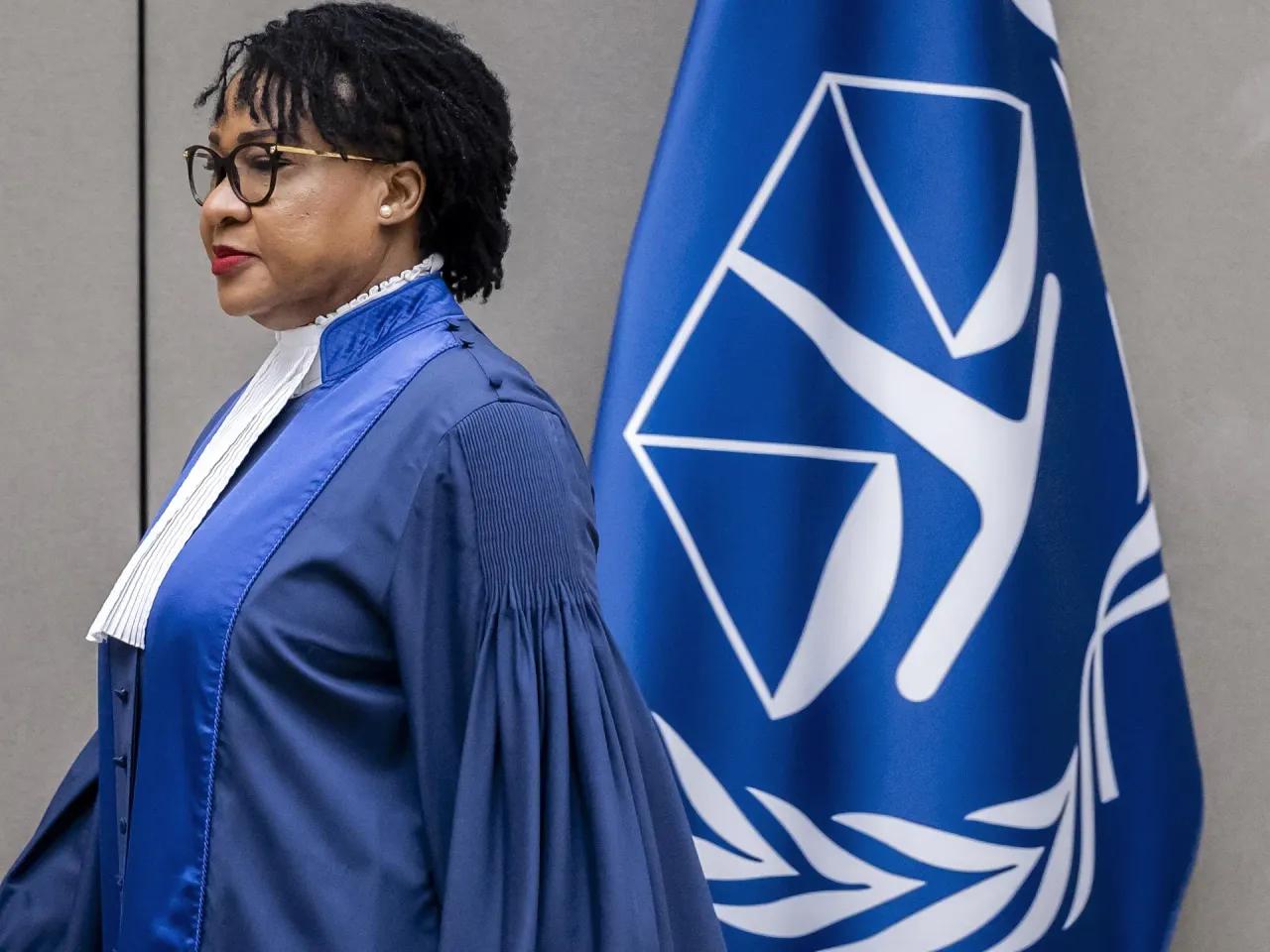
ICC deputy prosecutor Nazhat Shameem Khan said the new sanctions "must be condemned."
"The sanctions are intended to undermine the rule of law internationally and the work that an independent judicial institution is doing," Khan said. "Our work will continue across all our situations, our investigations and our prosecutions."
Neither the United States nor Israel is a party to the Rome Statute, the founding treaty that establishes the court's jurisdiction. However, the ICC has long held that abuses committed by citizens of non-member states on the territory of member states can be prosecuted. To date, the court has not sought to prosecute any US citizens.
Rights observers have warned that the US pressure campaign could have broad implications for the court's investigations, particularly for the network of local organizations and fact-finders on which the ICC relies to build its cases.
Washington has also urged other countries to withdraw from the court, signaling that it would factor allies' relationships with the ICC into decisions on foreign assistance. That appeal has found some resonance among ICC members who have expressed concern over what they describe as the unequal application of international law, with defendants from the Global South more frequently facing accountability. In July, Chad and Venezuela moved to withdraw from the court, following earlier departures by Burkina Faso, Mali, and Niger.
Friday's announcement came just hours after the Nobel Peace Prize was awarded to South African jurist and former ICC judge Navi Pillay. The Nobel Committee said the prize was being awarded at a time when "judges and institutions of international law are under political attack."
"An international legal system in which war criminals are held to account and the victims of abuse see justice served is a precondition for a peaceful world," the committee said.