The Trump administration has imposed sweeping sanctions on the International Criminal Court, saying the measures are intended to restrict the tribunal's resources and ability to operate.
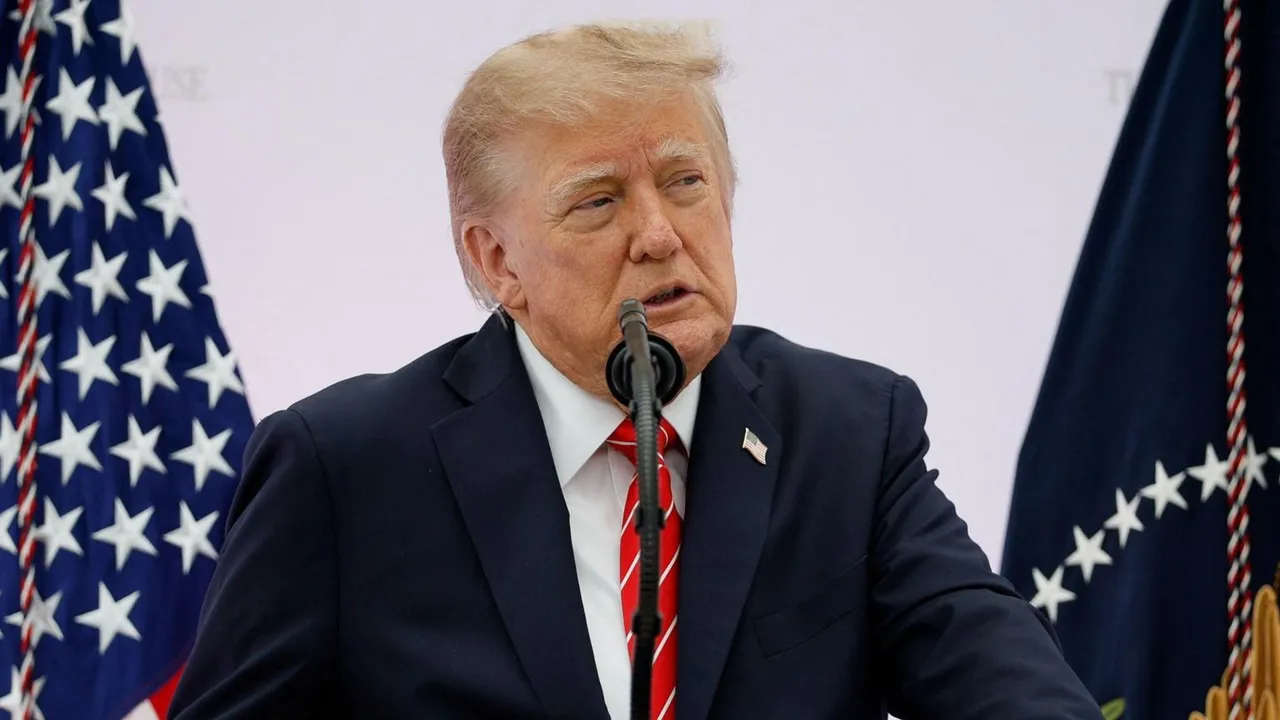
Secretary of State Marco Rubio announced the sanctions on Friday, saying the United States would ban transactions with what he called a "rogue court," cutting off its funding and crippling its operations. Rubio said the move was designed to "defend US sovereignty" and accused the court of seeking to prosecute Americans.
"President Trump will never allow the International Criminal Court to prosecute Americans," Rubio said. "Either the ICC will end its threats, or we will end the ICC."
The sanctions will prohibit US companies from providing goods or services to the ICC, including banking and software. Rubio said Washington had delayed imposing the measures in the hope that the court and its member states would address US concerns, but added that the sanctions had been structured to allow other countries to negotiate a possible solution.
Rubio also called on US allies that are ICC signatories to "rein in" the institution. "We expect our allies, many of whom are part of the ICC and that rely on American servicemembers for their defense, to rein in the court," he said. "If they do not, the United States will continue its campaign to dismantle the ICC, brick by brick, until Americans are threatened no longer."
He noted that both major US political parties had long agreed the ICC should not have jurisdiction over US citizens, but said only President Trump had resolved to take action.
The US has never ratified the Rome Statute, the treaty that founded the ICC, and maintains the court has no jurisdiction over American citizens. However, the court has previously investigated US military actions abroad.
The US and Israel had both strongly opposed the court's arrest warrants for senior Israeli officials, including Prime Minister Benjamin Netanyahu. Since 2020, the US had also opposed ICC investigations into military actions in Afghanistan, though those investigations can still include alleged US wrongdoings.
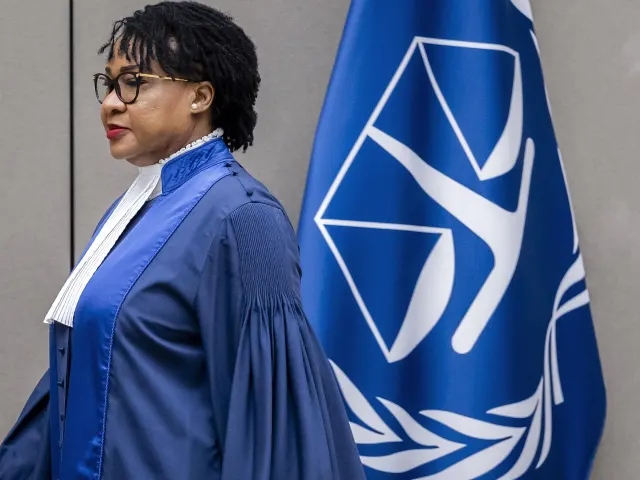
The ICC rejected the sanctions in strong terms. ICC President Tomoko Akane, who already faces US sanctions imposed in August, said the court would continue to fully discharge its mandate.
"The court will continue to fully discharge its mandate, with independence and impartiality, acting only on the basis of the law and the evidence, for the sake of the countless victims of grave crimes," Akane said.
The court described the US sanctions as an attempt to obstruct an independent international institution supported by more than half of the United Nations' member states. It called the Rome Statute a "collective promise" that the most serious international crimes must not go unpunished.
"That promise is only as strong as the resolve of those who made it," the court said. It appealed to member states to take "concrete actions" to ensure the court retains the means to continue its work.
"No one should be punished for serving the cause of justice," the ICC said. "History will judge this moment. Future generations, and above all the victims of mass atrocities, will ask how we responded when an institution created to protect them came under attack."
The announcement came hours after the 2026 Nobel Peace Prize was awarded to Navi Pillay, a former ICC judge who served on the court from 2003 to 2012, in recognition of her efforts to promote peace and international law.
Without naming names, the Norwegian Nobel Committee appeared to reference US sanctions against the ICC when announcing Pillay as this year's laureate. "The Norwegian Nobel Committee wants to remind the world that the rule of law — national and international — underpins the system we have set up to ensure peace and resolve conflicts non-violently," the Committee wrote. It said judges like Pillay "guard the thin red line between order and chaos," but lamented that "today these same judges are sanctioned, and their institutions are attacked."
Trump reacted critically to the Nobel Committee's choice. He has previously expressed a desire to receive the prize himself and criticised Pillay for her role on a panel that found both Israel and Hamas responsible for war crimes during the conflict that began on 7 October.