The United States Federal Reserve has raised its benchmark interest rate for the first time in more than three years, defying repeated calls from President Donald Trump to cut borrowing costs.
The decision, taken unanimously by all 12 members of the Federal Open Market Committee on Wednesday, lifted the benchmark rate by a quarter of a percentage point, from 3.5–3.75% to 3.75–4%.
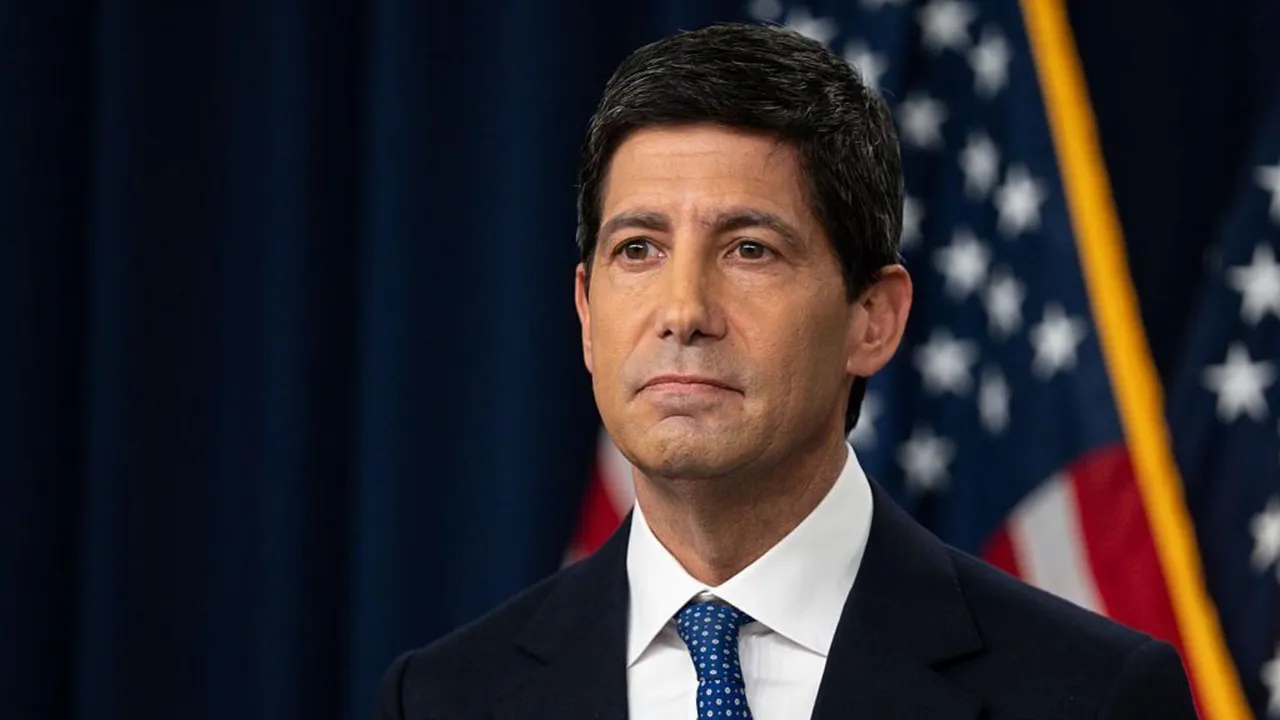
Fed Chair Kevin Warsh said the move was necessary because "inflation is too high and has been for too long," describing it as a "sober" and "responsible decision."
US inflation has remained above the Fed's 2% target for more than five years, according to Warsh. The most recent monthly figure came in at 3.4%. The Fed said the rate increase "will support a timelier return to the Committee's 2 percent goal."
Warsh acknowledged that while there was "an attitude of optimism" within Fed leadership, inflation remained a persistent problem. He noted that those least well off stood to gain the most from lower inflation, and that strength in the jobs market and wider economy allowed the Fed to stay focused on stabilising prices.
The hike is the first rate move in any direction since rates were cut in December 2025. The last time rates were raised was in July 2023.
Higher interest rates make borrowing more expensive for consumers seeking loans, mortgages, and credit cards, but can lead to better returns on savings. Central banks typically raise rates when inflation is high in order to discourage spending and slow the pace of price rises, though the approach carries risks for economic growth and business investment.
Major US banks JP Morgan, KeyCorp, and BNY all raised their prime lending rate on Wednesday to 7% from 6.75%, a move that will affect rates charged on credit cards and personal loans. Consumers with variable-rate credit cards could see their minimum payments increase within a month.
Mortgage costs have climbed over the past year but remain below peaks seen in 2023. The average rate on a 30-year fixed mortgage stands at 6.76%, while a 15-year fixed deal averages 6.09%, according to figures from Freddie Mac. Homeowners with existing fixed-rate mortgages will not be affected, but those seeking new mortgages or refinancing will face higher costs.
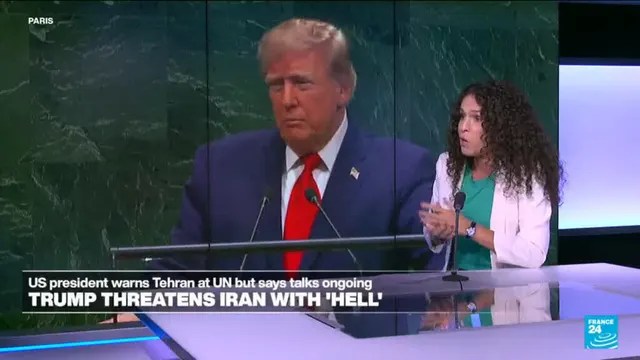
The decision drew an immediate reaction from Trump. Shortly after the announcement, he posted on his Truth Social platform: "Interest Rates in the United States should be 1%, or less, because we are the Best Credit in the World — BY FAR... LOWER THE INTEREST RATES FOR THE UNITED STATES OF AMERICA, AND FAST!"
Speaking to reporters later, Trump said he had told Warsh: "You might as well vote with the board because it's not going to matter. The board is very hostile, they're very political." He added that interest rates were "too high" and "not appropriate," while saying he was "relying on Kevin."
When asked at a press conference what message the rate hike sent to Trump, Warsh replied: "I've got nothing for you on a discussion with the president."
Trump had previously handpicked Warsh as Fed chair after the term of his predecessor Jerome Powell ended earlier this year, saying at the time he would choose someone who supported lower interest rates. Democratic lawmakers had predicted Warsh would act as Trump's "sock puppet" on monetary policy.
Senate Democratic leader Chuck Schumer criticised the decision, saying: "This is going to make everything become more expensive. This is because Donald Trump does not know how to manage the economy."
Rising fuel prices have added to consumer frustration. The average price of a gallon of petrol has reached $4.36, up 14 cents in the past week and up from $3.18 a year ago, according to the American Automobile Association. Warsh noted that while the Fed "cannot affect any individual price — whether it be oil prices, whether it be food stuffs at the grocery store," it can work to prevent price rises from spreading more broadly across the economy.
The majority of Fed policymakers indicated they expect rates to be raised again before the end of this year, to between 4% and 4.25%. A small majority also projected a further increase to 4.25–4.5% next year, with rate cuts not expected to begin until 2028 or 2029. Fed members indicated rates would remain unchanged through 2027.