The Pentagon has confirmed that the firing squad execution of former US Army Major Nidal Hasan will be livestreamed, in what would be the first public execution in the United States in nearly a century.
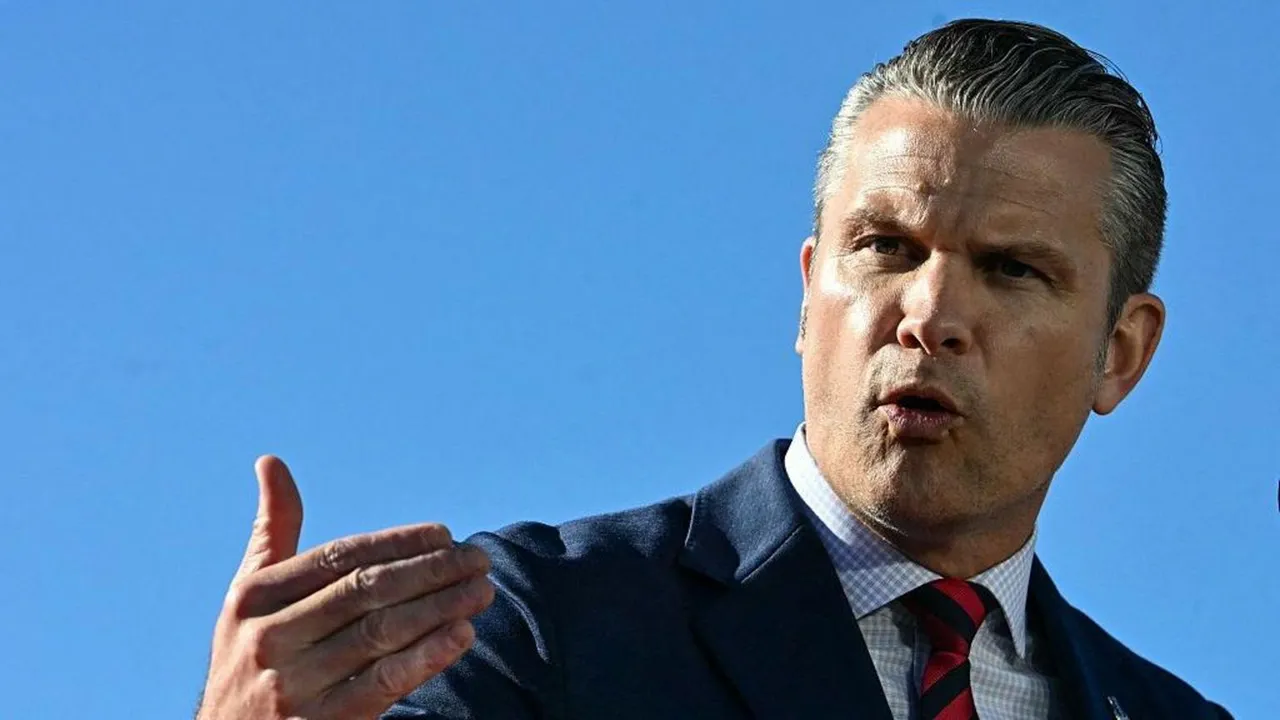
Defense Secretary Pete Hegseth announced the decision in an interview with conservative outlet Real America's Voice. "We'll make sure that people are able to watch it, that it's public," Hegseth said. "People need to understand that there's serious consequences for these types of things."
A Defense Department official subsequently confirmed to reporters that the execution would be livestreamed, with further details to follow.
Hasan, a former US Army psychiatrist from Virginia, was convicted in 2013 of 45 counts of premeditated murder and attempted murder for the November 2009 shooting at Fort Hood, Texas. He walked into an army processing centre, shouted "Allahu akbar" and opened fire on fellow service members waiting for medical attention, killing 13 people and injuring 32 others.
The execution is scheduled for December 3 at 1pm US Central Time at Fort Hood — the same time the 2009 attack took place. It will be the first US military execution in more than 65 years and the first by firing squad since 1945, when a soldier was executed for desertion during World War Two.
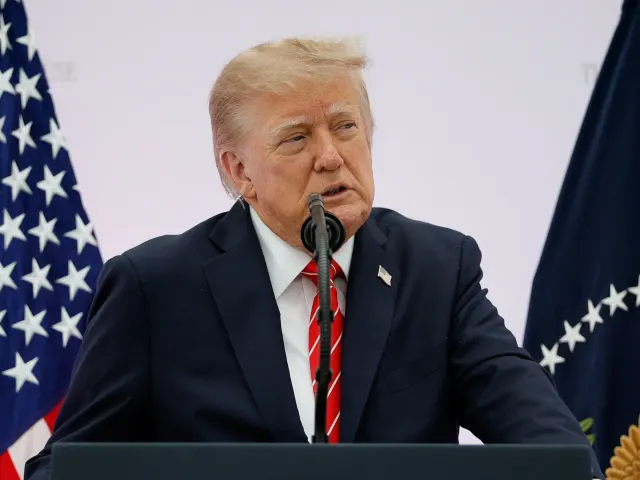
President Donald Trump approved the use of the firing squad on Monday. Hegseth called the decision a "no-brainer." The Trump administration had previously added firing squad, gas asphyxiation, and electrocution as acceptable methods for federal executions in April.
The last public execution in the United States took place on August 14, 1936, in Owensboro, Kentucky. No state or federal execution has ever been televised in the country.
Legal experts have raised significant concerns about the plan. John Mills, a lawyer who works with death row inmates, described the decision to livestream the execution as "unprecedented in the modern era" and said it was on "uncertain legal terrain." He noted that the appellate process for Hasan is not yet complete and that Hasan is likely to seek review of his conviction and sentence in federal court, which would probably stay the execution.
"Seeking to make it livestreamed, a firing squad execution, is little more than attention-seeking by the Trump administration and is unlikely to occur, much less deliver any semblance of justice," Mills said.
Eugene R. Fidell, a visiting lecturer at Yale Law School specialising in military law, called the decision "a really unfortunate decision." He said that if Hasan pursued legal action, proceedings could last years — potentially beyond the end of Trump's current term. "It frankly might outlast the current administration, and who knows if the next one will have the same penchant for executions," Fidell said.
Deborah Denno, a death penalty expert and law professor at Fordham University, offered a more measured view. She said a livestreamed execution could make the process "much more transparent" and force public awareness of what capital punishment entails. "I think it could possibly be a good idea because it would be transparent and the public would be fully aware that it's happening," she said. She also raised practical questions, including whether the stream would be age-restricted and whether it would violate the content policies of online platforms.
Brenner Fissell, a professor at Villanova Law and vice president of the National Institute of Military Justice, said firing squads are increasingly seen as a less problematic alternative to lethal injection, particularly as states have struggled to access execution drugs. "Firing squads can be a quicker, cleaner, more precise way to execute a prisoner," he said. He added, however, that he did not believe that was the primary motivation in this case. "There's a perceived masculinity and military-ness to firing squads that is part of the aura Hegseth is trying to emphasize — the 'lethality culture,'" Fissell said.
Elisabeth Semel, co-director of the Death Penalty Clinic at UC Berkeley Law, questioned the administration's motivations. "I don't recall a situation in which it was instigated by the government. I think that also raises serious questions about what is the motivation of the government," she said. "This is a president who's about spectacle and that's, I think, precisely the message that he intends to deliver."
It remains unclear where the livestream will be available. Most major social media platforms prohibit or restrict livestreaming of executions. Meta, which owns Facebook, Instagram, and Threads, explicitly bans livestreaming of capital punishment. TikTok has a similar ban. X, which has loosened content moderation under Elon Musk, states that content showing a person's death will be removed if requested by the family or an authorised representative. Truth Social, owned by Trump, does not have a livestreaming feature for users.
US Army regulations require that at least two media outlets be selected as witnesses to a military execution. It remains unclear whether troops, spectators, or other officials will be present in person.