Hundreds of global investors are gathering in Toronto on Monday and Tuesday for the Canada Investment Summit, an invitation-only meeting bringing together some of the world's largest pension funds, sovereign wealth funds and asset managers alongside corporate executives, Canadian premiers and federal officials.
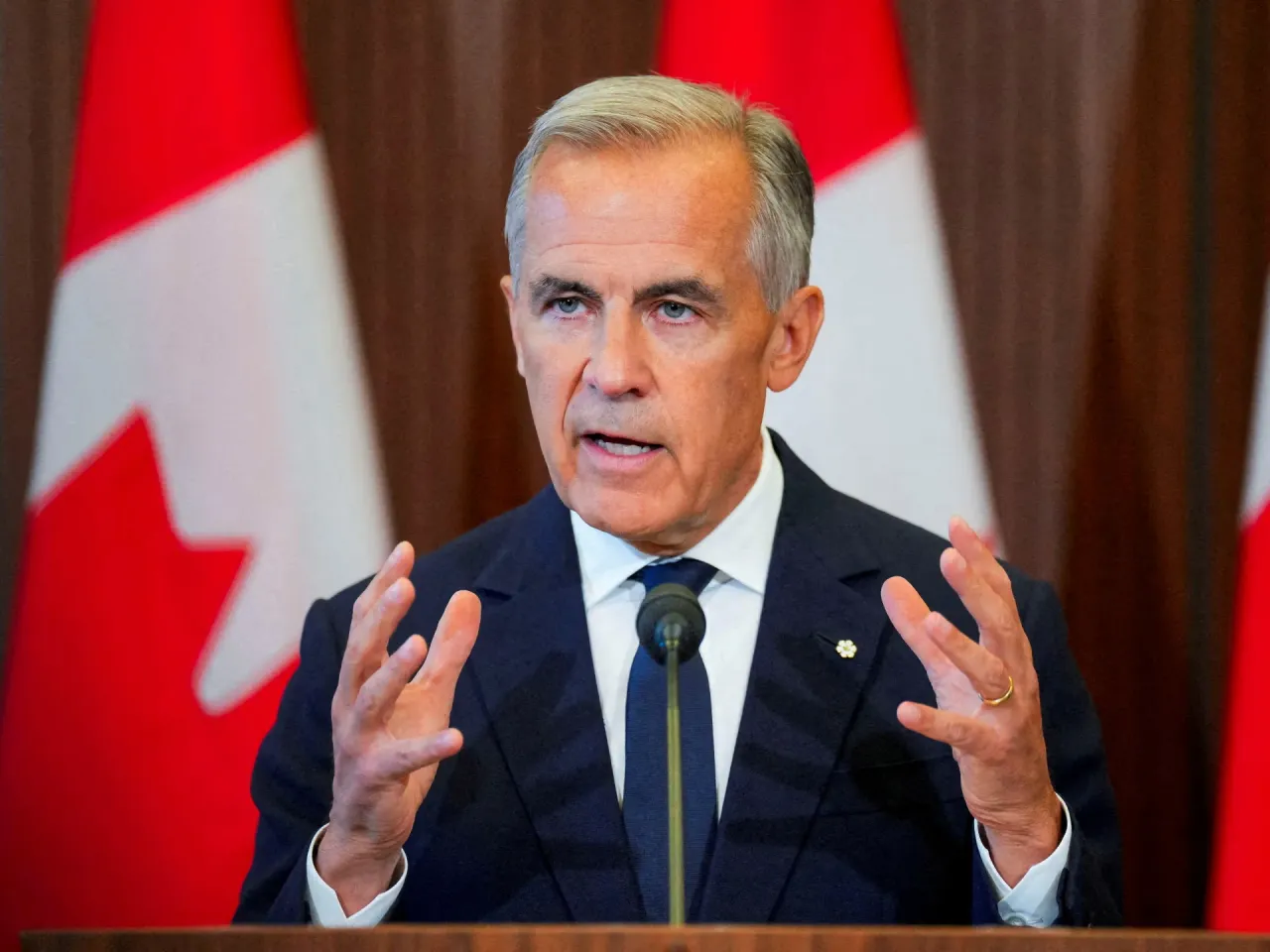
Prime Minister Mark Carney, a former central banker with deep ties to the global investment community, is using the summit to make the case that Canada is worth betting on in its own right — not merely as a gateway to the United States.
The event is part of a broader push to catalyse $1 trillion in investment in Canada over the next five years. The plan includes approximately $280 billion in public investment and government incentives designed to attract private and institutional capital.
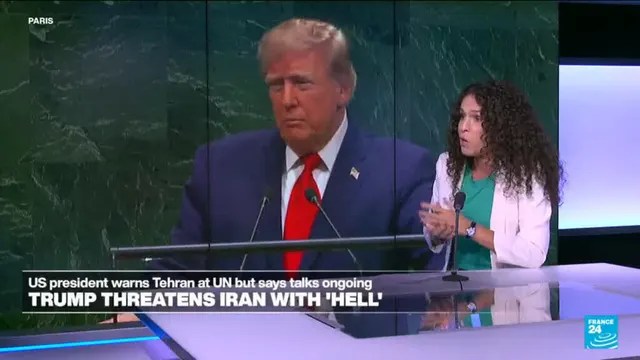
The summit comes days after a fresh escalation in the ongoing trade war between Canada and the United States, which began when President Donald Trump launched a wave of tariffs early in his second term, including on Canada, one of Washington's historically closest allies.
Relations between the two countries have deteriorated sharply. Trump has repeatedly referred to Canada as the 51st state of the United States and called Carney its "governor."
After talks collapsed last month, Washington imposed levies of 50 percent on approximately $20 billion worth of Canadian goods. Ottawa responded with retaliatory tariffs of between 15 and 50 percent on a similar value of American imports.
The trade dispute has put significant pressure on Canada. Before the tariffs, nearly 80 percent of Canadian exports went to the United States.
While negotiations between the two sides continue, Carney has been travelling internationally to strengthen trade ties and diversify Canada's economic relationships. The Toronto summit is seen as part of that effort.
"Carney is trying to turn a period of external pressure and uncertainty caused by the Trump trade war into an affirmative agenda," said Vina Nadjibulla, co-founder and CEO of the Centre for Strategic Statecraft, a non-partisan Canadian policy think tank. "Build more at home, diversify Canada's economic relationships abroad and attract the capital needed to do both."
Nadjibulla noted that the trade war creates a complicated environment for attracting investment. Investors may be cautious about projects heavily dependent on the US market. At the same time, the turmoil gives Carney an opportunity to position Canada as "a relatively stable, rules-based jurisdiction" in an increasingly volatile world. "It cuts both ways," she said.
Carney has drawn roughly 300 major global investors to the summit — a scale described as unprecedented and a political achievement in itself.
"The summit can open doors and create relationships," Nadjibulla said. "Success will ultimately depend on how many of those conversations turn into serious investment, financing and projects that actually get built."
Carney is making the case that Canada offers investors far more than proximity to the United States. He is highlighting the country's energy resources, critical minerals, skilled workforce and access to international markets.
Through trade agreements with 51 countries, Canadian businesses have preferential access to 1.5 billion consumers worldwide, according to the government.
"We're trusted, because we're reliable and because we have what the world wants," Carney said on Sunday. "That's why the world is coming to our door."
A leaked prospectus prepared for the summit outlines 167 potential investments spanning energy, mining, ports, transportation, technology and advanced manufacturing. Projects range from satellite technology to major infrastructure developments, including a proposed oil pipeline from Alberta to the coast of British Columbia.
The list is heavily weighted toward resources and energy. Minerals and metals alone account for nearly 38 percent of the projects listed.