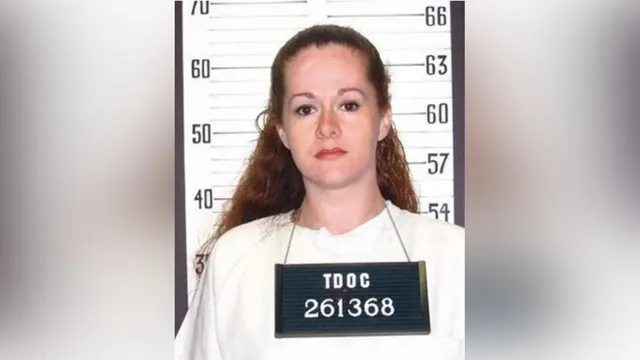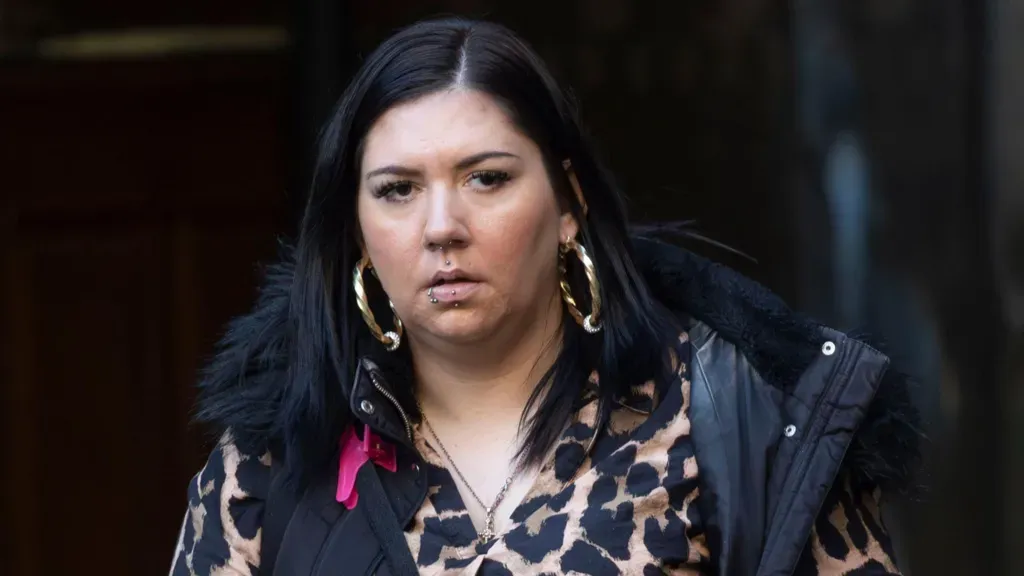
A 35-year-old woman has been jailed for a minimum of six years after attempting to murder a toddler by repeatedly giving her adult medication.
Laura Docherty, formerly of Glenrothes, gave the girl antidepressant and painkilling drugs, causing her to suffer seizures and episodes of reduced consciousness.
The child had to be resuscitated, admitted to hospital and placed on a ventilator after one incident. She also underwent medical investigations and procedures.
A judge at the High Court in Edinburgh imposed a lifelong restriction order and ruled that Docherty must serve at least six years in prison before she can seek parole.
Docherty had denied attempting to murder the child during a trial at the High Court in Edinburgh in December, but a jury unanimously found her guilty.
The offences took place between April 2021 and February 2023 when the child was two years old, at an address in Edinburgh, a ward at the Royal Hospital for Children and Young People and elsewhere.
Docherty repeatedly administered medications that had not been prescribed for the child.
Sentencing her, Judge Michael O'Grady KC said: "The word 'wicked' is an old fashioned word, but there are times when no other word will suffice."
He said the crime was "absolutely plain" to have been committed for "attention and drama".
"You deny your guilt. You accept no responsibility. You show no remorse or insight. You blame others for the situation you find yourself in," he said.
The judge said Docherty came within a "hair's breadth" of killing the child on one occasion. He also said a paramedic had used all his skills to save her while Docherty filmed the incident.
O'Grady said Docherty would likely spend "a significant period of years in custody".
"When you are released, if indeed you are ever released, will be a matter for the Scottish parole board," he told her.
The court heard that a report prepared on Docherty had concluded that she has an emotionally unstable personality disorder.
Defence counsel Simon Gilbride argued that Docherty could instead be given a substantial fixed prison sentence followed by supervision in the community.
He said the crime involved "extraordinary behaviour" and added: "She is going to have to address her behaviour in order to have any kind of meaningful future."