The United States-backed Board of Peace has unveiled a $2.45 billion Gaza recovery plan at a meeting on the sidelines of the United Nations General Assembly, even as Israeli strikes continue across the enclave and reconstruction has yet to begin.
The plan covers 66 programmes over six months, targeting housing, diesel generation, waste removal and other urgent needs. The full cost of reconstruction is expected to reach approximately $35 billion over the medium term and an additional $71 billion over the next decade.
Despite $18 billion in pledges, only $280 million has been handed over so far. Board members acknowledged that substantial additional donations are still needed.
Jared Kushner, a board member and Trump's son-in-law, conceded the programme faced "different delays on different things, for whatever reason." "The goal of today was really just to show you that we're really fully committed to doing it," he told the meeting.
US envoy Steve Witkoff said "real progress" had been made over the past year. "All of the hostages are home. There is a ceasefire, imperfect as it may be, but it still exists. Humanitarian efforts have achieved historic results, with billions of dollars donated and pledged to meet urgent needs and support the long work of recovery," Witkoff said.
The board did not set a date for the start of reconstruction. Board high representative Nickolay Mladenov said the plan depends on Hamas's disarmament and added: "I want to be very clear that we are not bound by a calendar. We want to make sure that this works."
Disarmament remains a central sticking point. Hamas has agreed to lay down its weapons in exchange for a phased Israeli troop withdrawal from the roughly 60 percent of Gaza currently under Israeli military occupation. Israel has insisted Hamas must fully disarm before any pullout takes place.
In July, Hamas said it had accepted a disarmament plan, provided Israel ends all forms of aggression and withdraws its forces. Trump described the move as "a monumental step" towards peace and security.
The plan also faces challenges beyond fundraising, including ensuring security for personnel operating in Gaza, overhauling internal governance, and reaching consensus between Israeli and Palestinian officials.
Israeli-American board member Michael Eisenberg outlined the sequencing of recovery efforts. "Because it's a war zone, you need to remove unexploded ordnance. And then there are still hundreds of kilometres of tunnels underneath Gaza which need to be destroyed as well. Once that's all done, Gazans can get to rebuilding again: whether it's housing, or better sanitation, or other things," he said.
US Secretary of State Marco Rubio said at a separate news conference that "a number of countries have stepped forward and pledged financial assistance" and that the board was "looking for more that will participate in that."
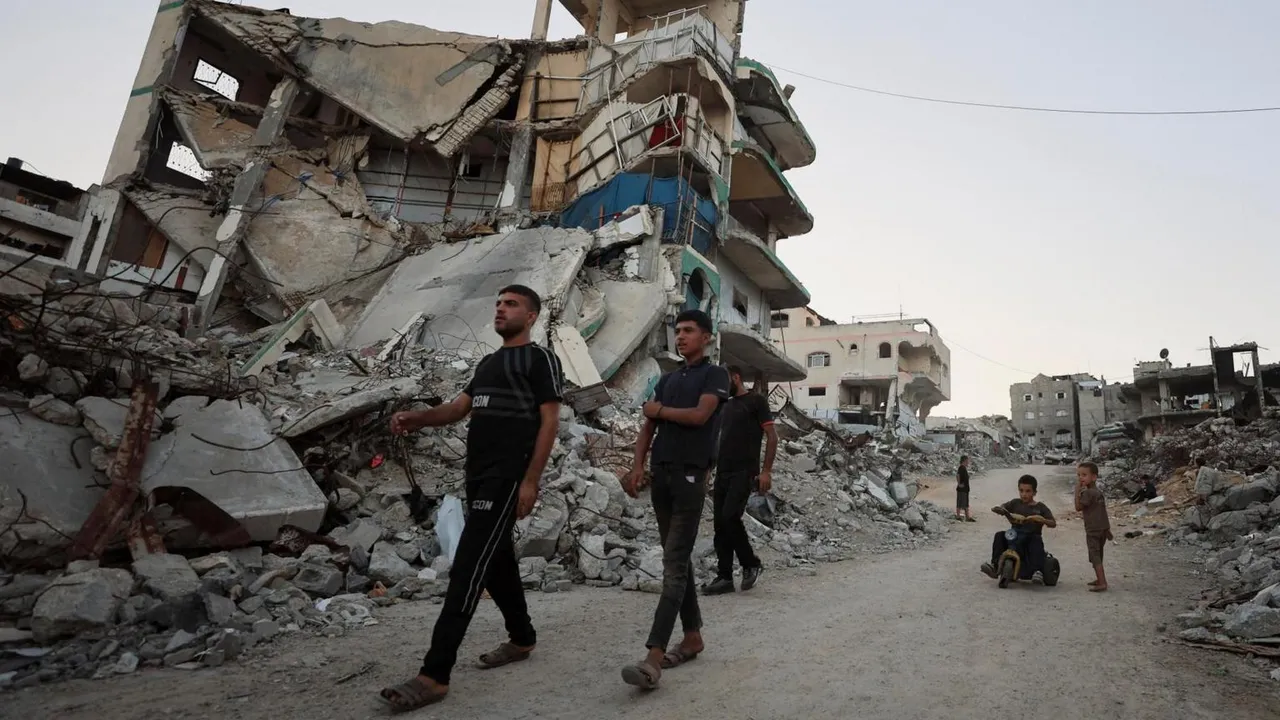
On the ground, conditions remain dire. An estimated 80 percent of all structures in Gaza have been destroyed or damaged during the war, leaving more than 60 million tonnes of rubble. More than 1.9 million people, roughly 90 percent of the territory's population, have been displaced, with 1.2 million currently living in tents or makeshift shelters with limited access to clean water and sanitation, according to the United Nations.
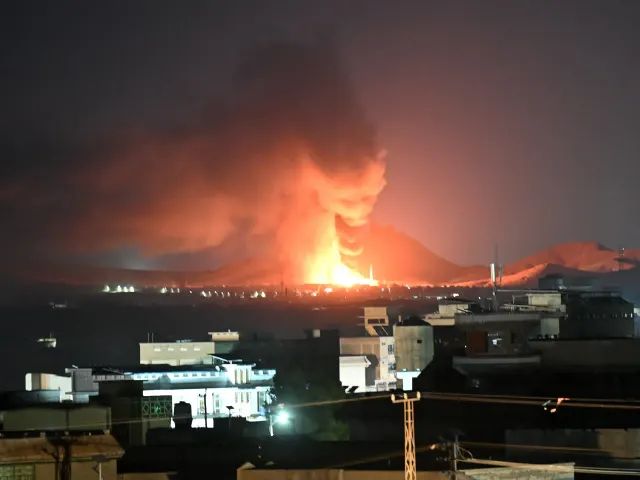
Israeli strikes continued on Wednesday. A drone attack on a vehicle in the al-Mawasi area near Khan Younis killed two people, identified as Osama Abu Khater and Mohammad Abu Elwan. Israeli Prime Minister Benjamin Netanyahu claimed the strike had killed a senior Hamas finance official. Separate strikes in Deir el-Balah and Gaza City killed at least three more people. An infant and an elderly woman were wounded by Israeli gunfire in Khan Younis.
At least 1,408 Palestinians, including more than 300 children, have been killed in Israeli attacks since the ceasefire began, according to the Hamas-run health ministry, whose figures are considered reliable by the UN. The Israeli military says five of its soldiers have been killed in combat since the ceasefire, with one contractor killed in an operational accident.
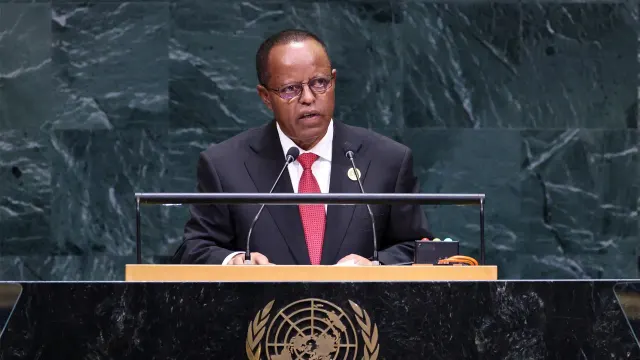
Israel's actions have drawn condemnation from world leaders gathered for the UN General Assembly. The leaders of the United Kingdom, France and Canada criticised Israel for blocking a two-state solution through illegal settlement expansion in the West Bank and called for an end to suffering in Gaza. UN Secretary-General Antonio Guterres denounced Israel's conduct and said the United Nations must be allowed to carry out its mandates in Gaza. Turkish President Recep Tayyip Erdogan reaffirmed his country's commitment to the ceasefire agreement and demanded that reconstruction begin "as soon as possible."