The Saudi-led coalition has accused Yemen's Houthi movement of attacking an electricity distribution station in the holy city of Medina that supplies power to the Prophet's Mosque, drawing condemnation across the Muslim world. The Houthis have denied involvement in the drone strike.
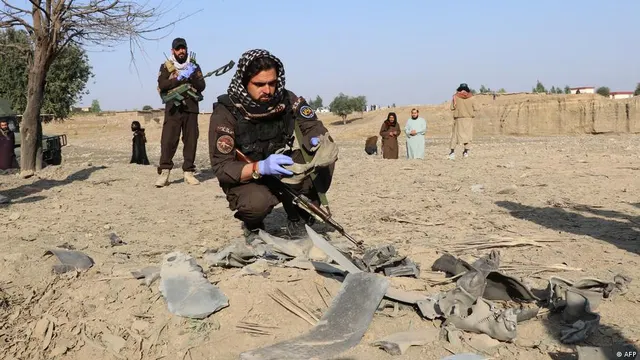
The coalition said the attack on the Masjid an-Nabawi power station took place on Tuesday, putting one transformer out of service but without affecting the broader electricity network. An investigation and examination of drone wreckage, it said, confirmed Houthi involvement in planning and carrying out the attack.
A Houthi military source, quoted by the Houthi-run Saba news agency, denied the accusation, calling it a "lie" and saying it was intended to cover up what he described as Saudi Arabia's failure to substantiate its earlier accusation that the Houthis had targeted the holy city of Mecca.
The coalition described the Medina attack as part of repeated Houthi attempts to target the two holy mosques — the Masjid al-Haram in Mecca and Masjid an-Nabawi in Medina — and "provoke" Muslims worldwide. It said it would continue taking measures to protect the holy sites and pilgrims.
Separately, the coalition said that on Thursday it intercepted and destroyed four drones launched by the Houthis over the southern Saudi city of Khamis Mushait, as well as two ballistic missiles over Khamis Mushait and Jazan.
Deadly clashes in Taiz
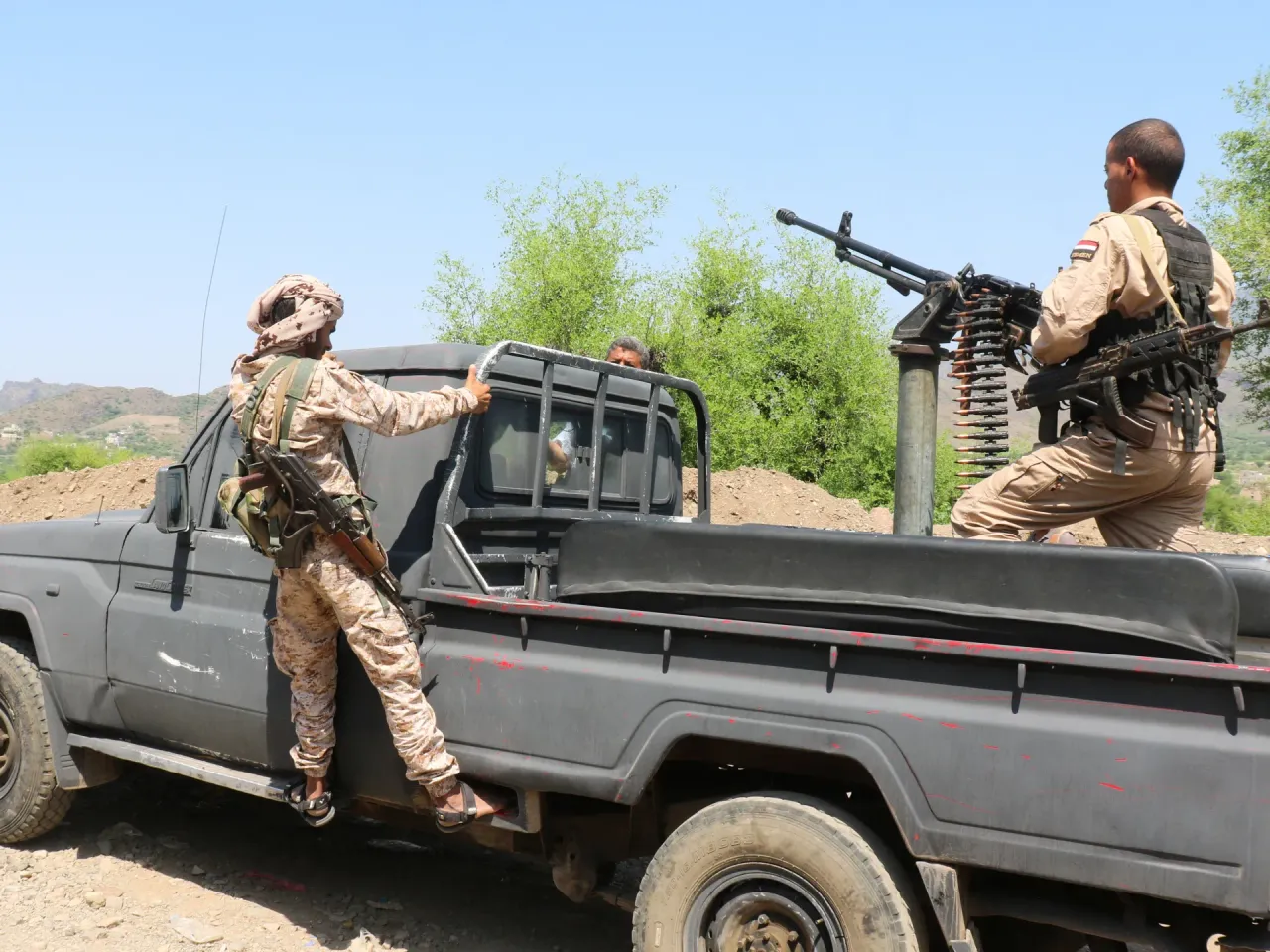
The escalation in Saudi Arabia coincided with intense fighting on multiple fronts in Yemen's Taiz province. The armed forces of Yemen's internationally recognised government said they killed dozens of Houthi fighters as clashes spread across several districts in the southwestern governorate.
Yemen's army said in a statement that the Houthis had opened heavy fire on Wednesday evening in the Jabal Habashi and Maqbanah districts, west of Taiz, and on the al-Aqrud front in al-Masrakh district to the southeast. Citing a military source, Saudi-backed forces reported killing at least 30 Houthi fighters on the al-Aqrud front alone, in addition to wounding dozens more.
Six air strikes also inflicted heavy losses southeast of Taiz and on the Humayr front in the Maqbanah directorate to the west, the statement added.
As fighting continues, the number of internally displaced people in Yemen is rising, with the majority being resettled in Taiz. The management unit for Yemen's internally displaced people camps said 197,906 individuals had been officially registered as of Wednesday, comprising 29,519 families. More than 97,000 people are being housed in Taiz province, followed by Lahij with more than 50,000.
Saudi funding for Yemen's government
Amid the fighting, Saudi Arabia on Thursday announced it had approved 224 million Saudi riyals ($59.7 million) in budget funding for Yemen's internationally recognised government.
The funds will help "enhance the regularity of government financial flows, support the efficiency of fiscal policy, and contribute to strengthening the purchasing power of the Yemeni citizen," the Saudi ambassador to Yemen, Mohammed al-Jabir, said.
The announcements come after Houthi fighters last month expanded control over the strategic Bab al-Mandeb strait by seizing the Red Sea city of Mocha. Known as the Gate of Tears, Bab al-Mandeb is a critical artery for crude oil and fuel travelling from the Gulf to the Mediterranean via the Suez Canal, as well as for Asian commodities and Russian oil.
Government forces subsequently pledged not to allow the Houthis to advance further, with field commanders in Taiz and on the western coast saying they would attempt to retake Mocha.