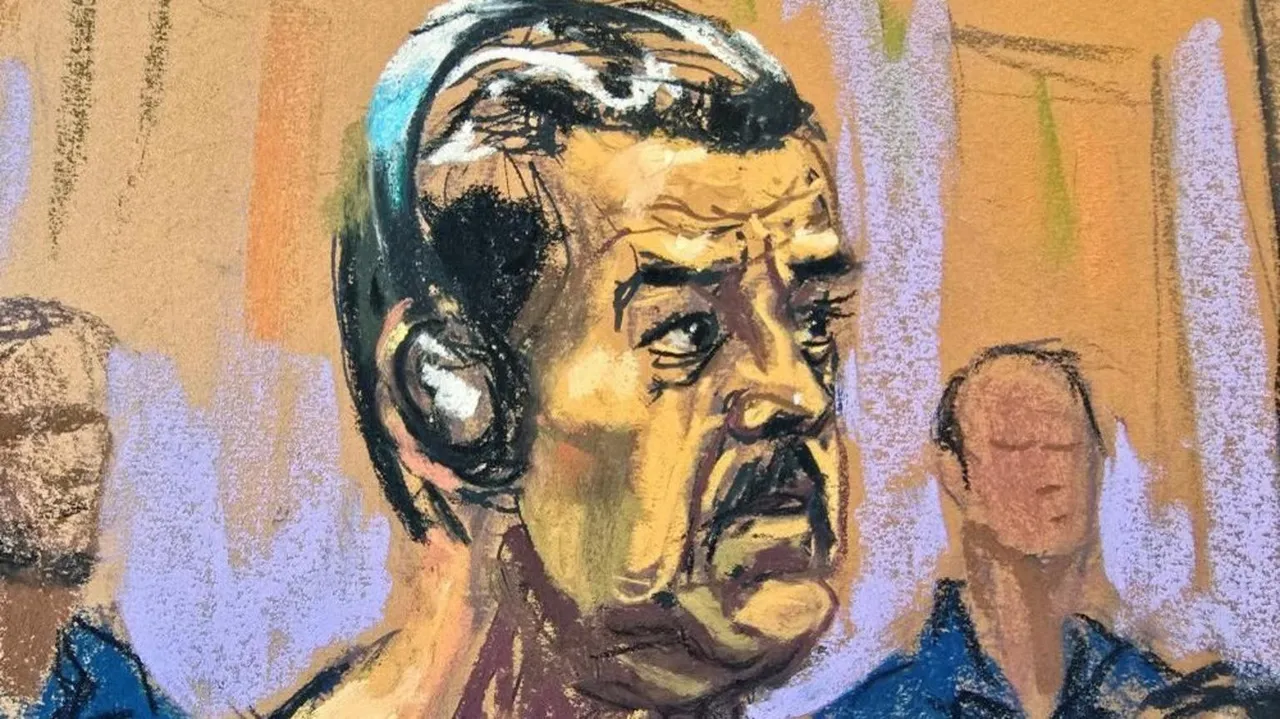
Former Venezuelan President Nicolas Maduro and his wife, Cilia Flores, have been charged in the United States with conspiracy to commit torture, according to a superseding indictment unsealed Thursday in a Manhattan federal court.
The new charge adds one count of conspiracy to commit torture to the existing drug trafficking and weapons charges the couple already faces. Both have pleaded not guilty to the earlier charges.
Maduro, 63, and Flores, 69, have been held at Brooklyn's Metropolitan Detention Center since January, when US forces seized them in a pre-dawn raid on their compound in Caracas. Their trial is scheduled to begin on June 1, 2027. A judge denied Flores's request to be moved to house arrest on Thursday.
The superseding indictment accuses the former presidential couple of "entrenching themselves in power" by presiding "over a system of repression that relied on violence against political opposition, arbitrary detention, and the torture of detainees, including United States citizens."
Prosecutors allege the conspiracy ran from at least 1999 through 2025 and involved Venezuelan military, intelligence, and law enforcement officials.
According to the indictment, torture methods included "electric shock, asphyxiation, rape, forced nudity, prolonged isolation, starvation, punishment cells, and psychological torture." Prosecutors allege the psychological torture included threats to kill victims' families, including children.
The alleged abuses extended to US citizens detained in Venezuela, three of whom are cited in the indictment. In one case from January 2025, Venezuelan intelligence officers arrested an American citizen who was not their intended target and beat him repeatedly over two days, causing permanent injury to his eye. He was reportedly released about a year later and warned by Venezuelan officials not to disclose that the government had abused him.
Prosecutors allege Maduro personally directed or was regularly briefed on the abuse of detainees. In one instance, after being told that a detained military officer remained defiant, Maduro allegedly responded by ordering officials to "squeeze them harder" and went so far as to suggest specific torture methods. In other cases, prosecutors say he was informed of beatings, electric shocks, and simulated drowning and directed officials to apply additional pressure.
Flores is accused of having played a key role in developing the repressive system, ordering that individuals be tortured and receiving updates on the treatment of specific prisoners. The court document alleges she did so in part to protect family members involved in illegal activities. According to the indictment, she was present at some of the meetings where detainees and their treatment were discussed.
The indictment details specific cases of alleged torture. One detainee was allegedly subjected to electric shocks and asphyxiation after being arrested following a 2018 drone attack that the Venezuelan government said was an attempt to assassinate Maduro.
The allegations echo accounts long given by former prisoners in Venezuela. Human rights groups in the country have for years denounced what they describe as systematic torture in Venezuelan jails.
Since Maduro's removal from power, his vice-president, Delcy Rodriguez, was sworn in as interim leader with the backing of the Trump administration. Hundreds of political prisoners have been released under an amnesty law, but more than 300 remain behind bars, according to prisoners' rights group Foro Penal.
The United Nations High Commissioner for Human Rights, Volker Turk, warned in March that his office had received reports alleging that detainees continue to be tortured even after Maduro's seizure, and that "structural and systemic human rights concerns" had persisted in Venezuela. Venezuela's foreign minister at the time accused Turk of parroting the agenda of "extremists" by citing the allegations.