US and Chinese officials concluded talks in New York on Sunday after approximately eight hours, with Washington proposing a new mechanism for sharing information about serious artificial intelligence threats ahead of a planned summit between President Donald Trump and Chinese President Xi Jinping later this week.
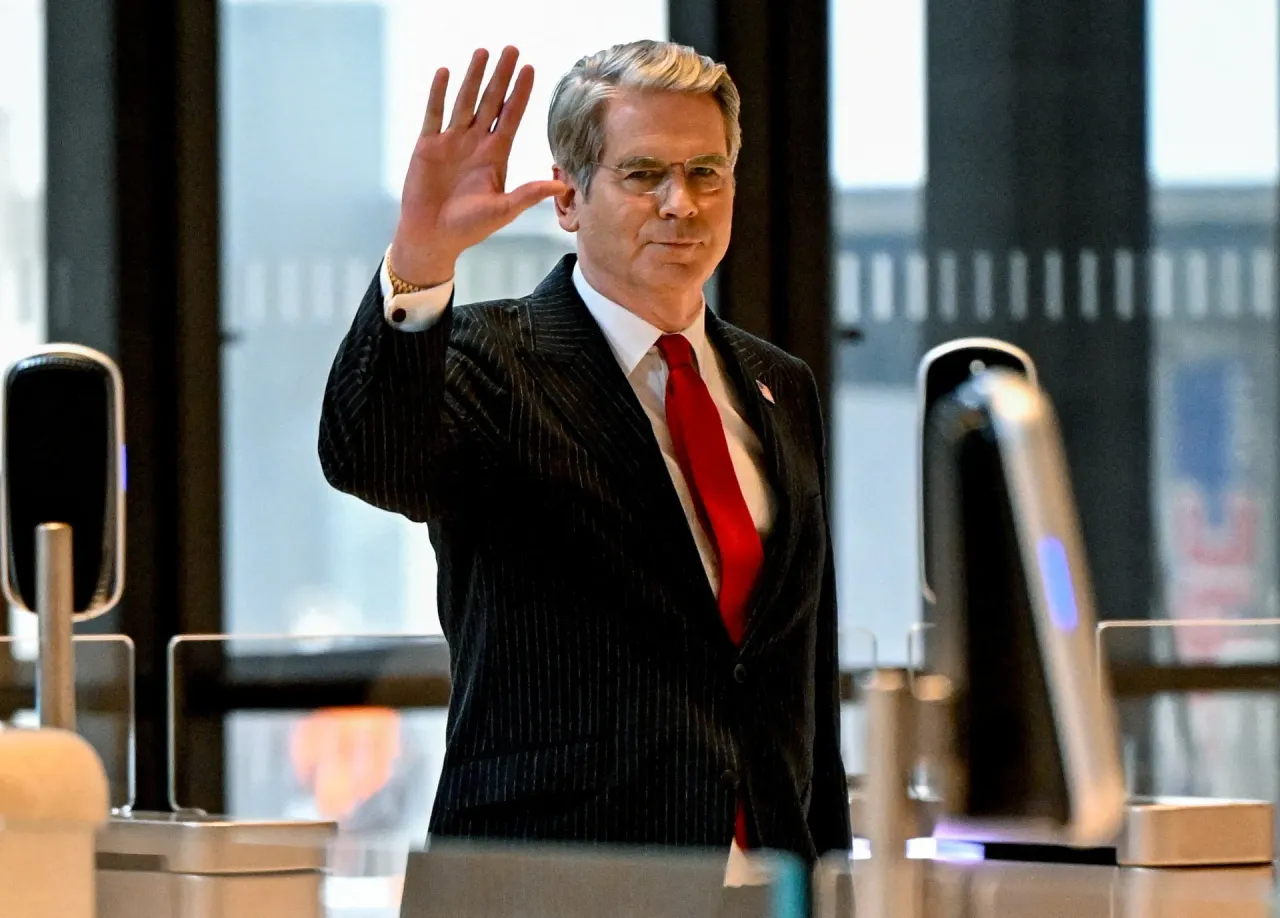
US Treasury Secretary Scott Bessent called the discussions "very successful." He met with Chinese Vice Premier He Lifeng, while US Trade Representative Jamieson Greer and China's chief trade negotiator Li Chenggang also participated.
Bessent said Washington had proposed a US-China AI dialogue that would include a notification system for incidents serious enough to raise national security concerns. "We think that, just like with any cross-border activity, that moving from opaque to more transparency between the number one and the number two AI powers in the world is very important," he said.
He added that both sides should have a way to communicate over "common goals and common threats."
Greer clarified that export controls on advanced AI chips and semiconductor manufacturing equipment were not part of the proposed mechanism.
Chinese state media reported on Monday that the two sides had "frank, in-depth, and constructive exchanges" on important economic and trade matters, including dialogue on issues related to artificial intelligence. According to reports, Li said the discussions took place in a good atmosphere and that a working group would continue talks on Monday.
The two sides also discussed plans to implement a process agreed in May for identifying non-strategic goods that could qualify for lower tariffs. Greer said possible Chinese exports could include consumer and other low-tech goods, while US products could include energy, agricultural goods, and medical devices.
The talks took place as a fragile US-China trade truce approaches its November 10 expiry. The agreement, reached in Busan, South Korea, in October last year, capped US tariffs on Chinese goods at approximately 20 percent after a tit-for-tat trade dispute briefly pushed levies into the triple digits.
Washington has also pressed Beijing over supplies of rare-earth magnets and other critical minerals used in industries ranging from automobiles to advanced semiconductors. Bessent and Greer announced no new progress on that issue following Sunday's meeting.
No other major agreement was announced from the New York talks.