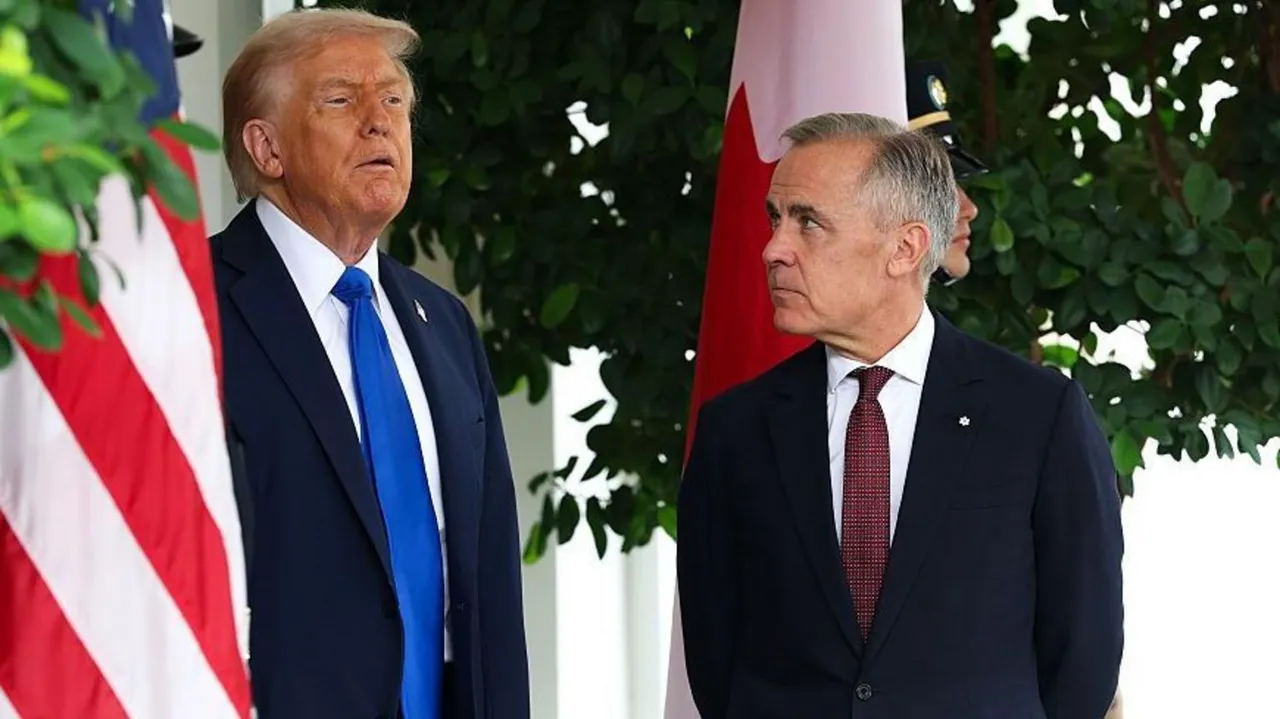
The United States will ban a range of Canadian imports, including alcoholic spirits, dairy products and motor vehicles, as Canada's retaliatory tariffs on American goods take effect.
In a series of executive orders signed on Tuesday, President Donald Trump said Canada is "discriminating" against the United States and announced the import ban, set to begin on September 29.
The White House said Canada is restricting American goods while not applying the same restrictions to equivalent products from other countries.
Some products, including whey and non-alcoholic beer, have been banned from import entirely. Tariffs on others, such as cheeses and motorboats, have been raised further.
The new measures are the latest escalation in a months-long trade war between the two countries, which have historically been close allies and major trading partners.
More than two-thirds of Canada's total exports go to the United States. Canada is the second-largest trading partner of the US, after Mexico, though American exports are far more diversified.
Last month, the White House imposed 50% tariffs on approximately $20 billion worth of Canadian goods after several rounds of negotiations broke down. Those tariffs targeted sectors including furniture, wine, and some sporting and fishing equipment.
Canada responded with dollar-for-dollar counter-tariffs on US goods including steel, clothing and furniture. Those measures came into effect after midnight on Tuesday.
Earlier on Tuesday, Canadian Prime Minister Mark Carney said in a video address that his country's shift away from the US as its largest trading partner "will come at a cost."
Both US and Canadian officials have said they would like to reach a trade deal, but no new talks have been scheduled since negotiations collapsed in late August.
On Monday, Trump warned Canadian aircraft manufacturer Bombardier that it would no longer be able to sell its products in the United States unless it moves its manufacturing there.
Business owners on both sides of the border have expressed concern over the trade war's impact, with many expecting prices to rise and customer numbers to fall.
Some Canadians have led a widespread boycott of American products, including alcohol, which has disappeared from some store shelves since Trump launched his global tariff campaign.
Trade expert Deborah Elms, from the Hinrich Foundation, said the import ban could have a "strong" impact on any Canadian business with US buyers, though early estimates point to a "modest impact" affecting around $1 billion worth of goods.
Elms said Canada would likely "hold course for now" and adjust its business support measures in response to the latest US moves.
"The bigger question is what it will take for the two sides to sit back down together. The language in these proclamations, as an example, isn't helpful in getting to the negotiating table," she added.