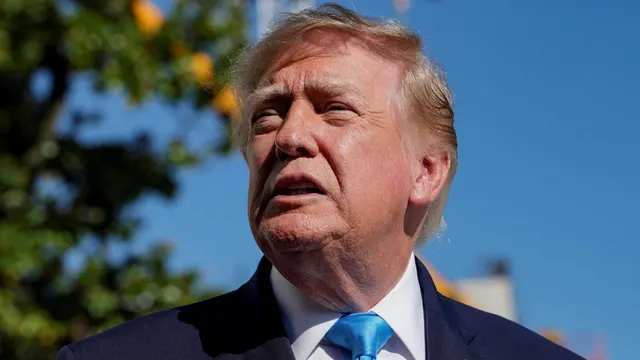
With midterm elections approaching, President Donald Trump has attempted to shift blame for soaring fuel prices away from the ongoing US-Israel war on Iran, pointing instead to Democrats and Ukraine's strikes on Russian oil refineries.
"What's driving up Gasoline is no longer the Strait of Hormuz, because Record Numbers of Barrels are coming out now on an almost daily basis, but the word, 'Refineries,' where Russia's are being blown up by Ukraine, and where ours are being closed up, in Blue States, like California, by the Dumocrats," Trump wrote in a Truth Social post on Monday.
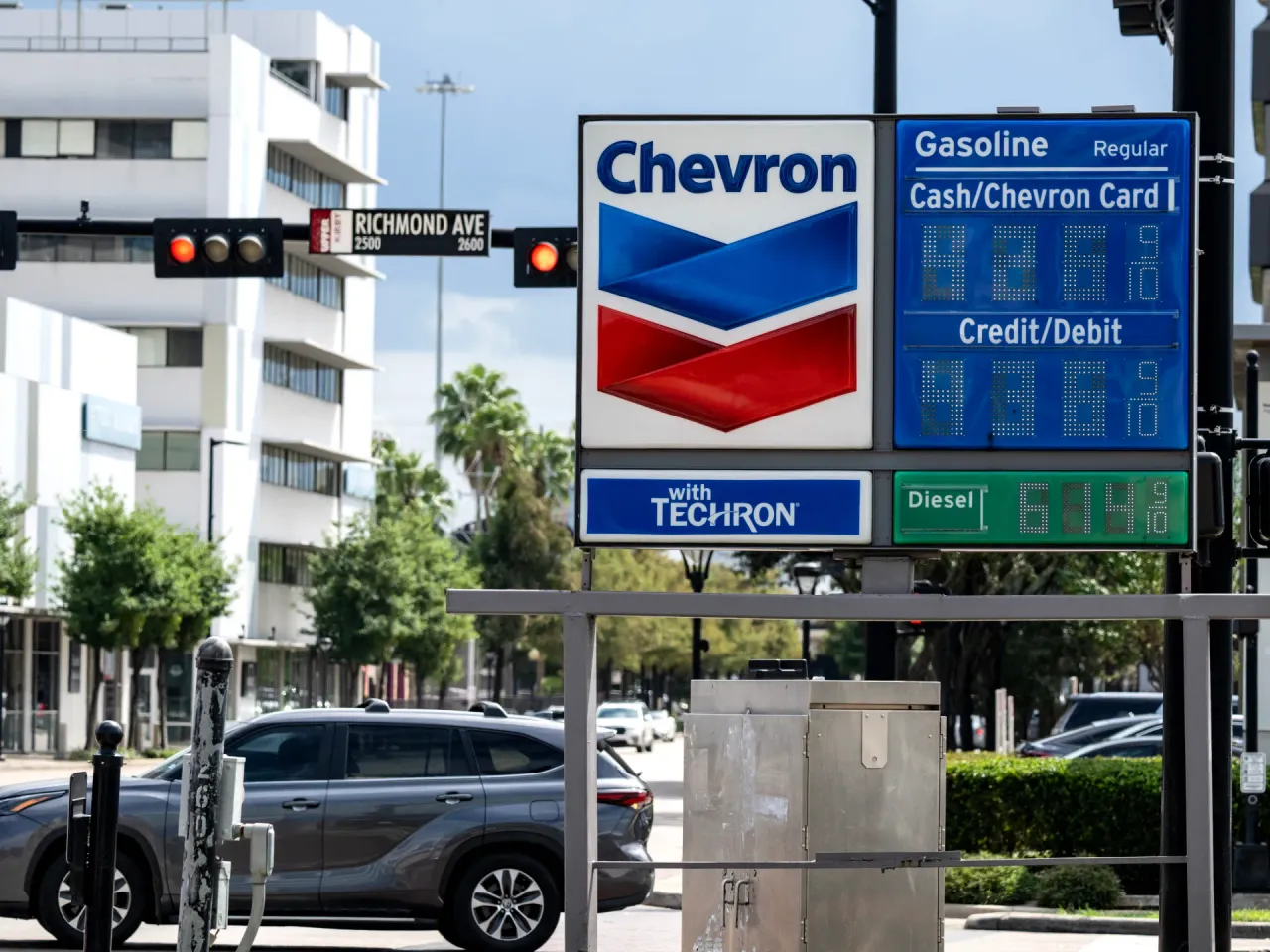
The average price for a gallon of petrol in the United States now stands at $4.36, up from $4.14 a month ago and from $2.98 on February 28, when the US and Israel first struck Iran, according to the American Automobile Association, which tracks daily fuel prices.
However, daily exports through the Strait of Hormuz have plunged 97 percent since the war began, significantly tightening global oil supplies.
"The ongoing conflicts with Iran and Russia's war with Ukraine are reinforcing each other, impairing oil product markets, but Middle Eastern flows are far from normal," said Rachel Ziemba, senior adjunct fellow at the Center for a New American Security.
Ukraine's attacks on Russian energy infrastructure have also contributed to rising prices, particularly for diesel. On Sunday, Ukraine's Ministry of Defence claimed it had disabled more than half of Russia's oil refining capacity.
In June, Russian refinery throughput hit its lowest level in two decades, according to an analysis by the International Energy Agency. The same analysis found that diesel production has fallen 30 percent over the past 18 months.
"The damage to Russia's refineries — and risk of more US sanctions on those who process Russian oil — are exacerbating the situation, but the underlying issue is still the volatile flows from the Middle East, the greater difficulty getting oil products out and the lower buffers in place," Ziemba added.
Trump has also blamed refinery closures in Democratic-led states, particularly California, where two refineries have shut down over the past year. According to an analysis by S&P Global, the closures reduced the state's refining capacity by 17 percent, creating supply gaps.
On Friday, G7 countries agreed to release 100 million barrels of diesel and crude oil from emergency reserves, a move made under pressure from the White House. The US Strategic Petroleum Reserve has meanwhile fallen to its lowest level since 1982.
"US tells some EU members to release 'strategic reserves' or face a potential US diesel export ban, pushing France and Germany to do so, oil prices, along with gasoline and diesel futures strongly lower as a result," Patrick DeHaan, head of petroleum analysis at GasBuddy, wrote in a post on X.
Trump's effort to redirect blame comes ahead of midterm elections that could reshape the balance of power in Washington. A recent poll by AP-NORC found that 65 percent of Americans blamed Trump's policies for higher prices, while 61 percent said the US economy is worse off than when Trump returned to office.