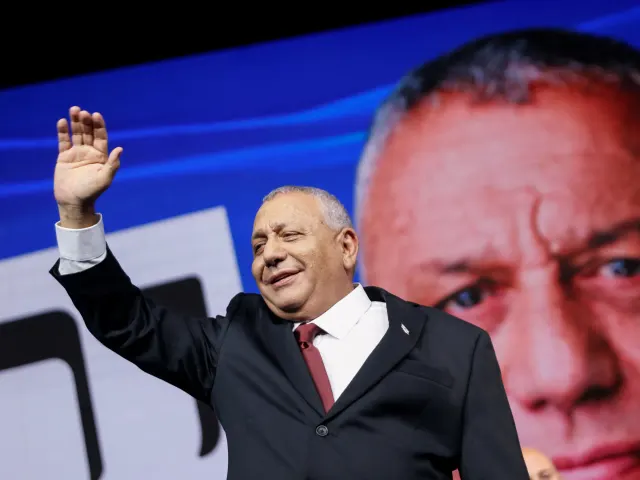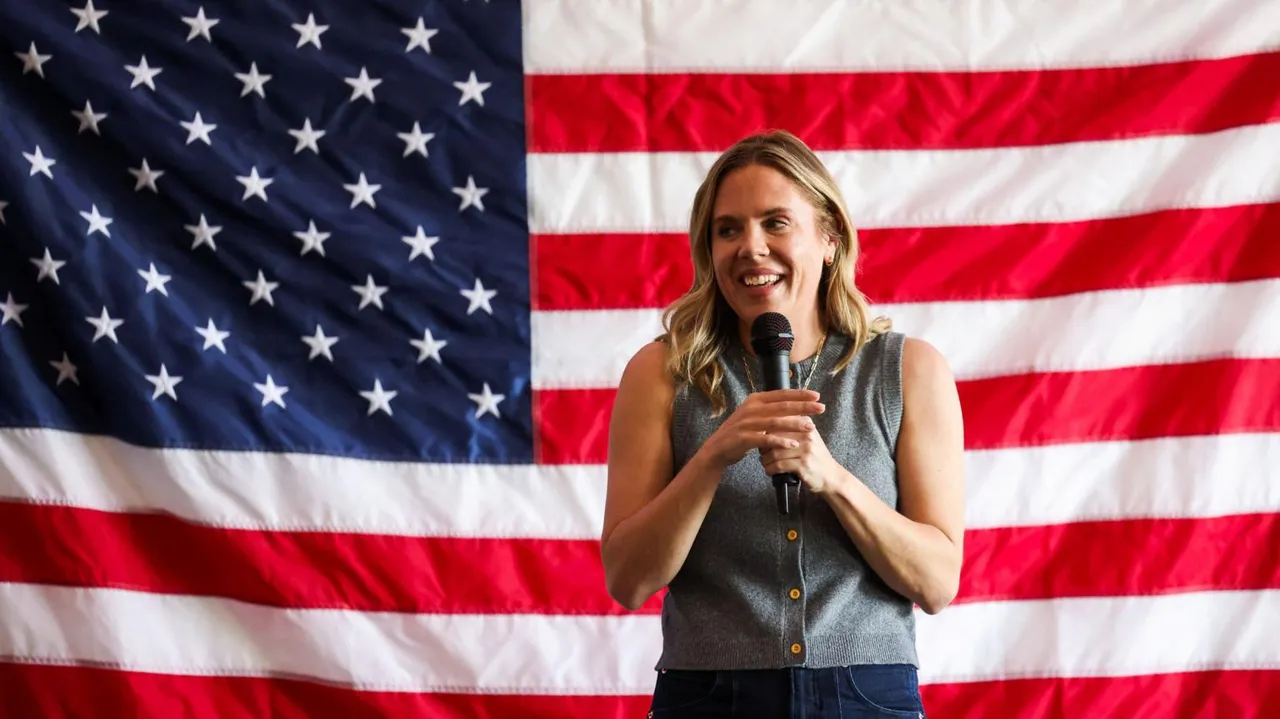
Democrat Adam Hamilton has won a US Senate seat in Kansas, becoming the first member of his party to represent the state in the chamber since 1932. The result was projected by the Associated Press following Tuesday's midterm elections.
Hamilton, the pastor of the largest United Methodist church in the United States, defeated incumbent Republican Roger Marshall in what proved to be one of the most closely watched races of the night. The contest was considered consequential to control of the US Senate.
The race became the most expensive in Kansas history, with the total cost reported at $110 million. Hamilton broke multiple fundraising records during the campaign.
Hamilton campaigned as an "independent-minded Democrat," deliberately distancing himself from national party figures. He called for term limits, issued public critiques of national Democrats, and secured endorsements from prominent Kansas Republicans. Though his campaign accepted $5 million from a political action committee linked to Senate Minority Leader Chuck Schumer, Hamilton stated he would not support Schumer for another leadership position.
He had previously considered running as an independent, but ultimately chose the Democratic ticket. Supporters warned that an independent run risked splitting the vote and returning Marshall to Washington.
Hamilton emphasized affordability and faith throughout the campaign, appealing to voters in a state whose agricultural and transportation industries have been hit by record-high diesel and fuel prices. He leaned into a Kansas-first message that resonated across party lines.
"We're always told to not talk about politics or religion but this is one time we're trying to save our democracy. The next two years are a pivotal time for our country," Hamilton said on the eve of Election Day.
Marshall, a physician and staunch supporter of President Donald Trump, had coasted to victory in 2020 by more than 11 percentage points. Trump won Kansas by a double-digit margin in every presidential election since 2016, and both the president and vice president visited the state twice during this election season.
Marshall ran on Trump's agenda, pledging to expand rural healthcare and support agriculture, despite having previously voted for funding cuts. He also drew criticism for supporting policies that opponents say undermine public health, and for opposing mask mandates during the pandemic.
His campaign was further damaged by a report that Marshall had sued approximately 700 former patients for medical debt during his years as a physician. Hamilton's campaign used one of those former patients in an attack ad. Five days before Election Day, that same patient filed a lawsuit against Marshall, alleging he had charged a predatory interest rate.
Marshall's campaign responded with its own attacks, focusing on claims that Hamilton had failed to adequately respond to a sexual abuse incident at one of his church camps. A volunteer reportedly attempted to abuse boys at the camp and was permitted to return the following year, when abuse occurred again. Court records showed the church's initial investigation was inconclusive. Hamilton said in a debate that he was not involved in the decision to allow the volunteer to return, and acknowledged that church leaders should have contacted police after the first report rather than the second.
Despite the attacks, polls trended in Hamilton's favor in the final weeks of the campaign.
Andi Welch, a voter from Johnson County who does not always support Democratic candidates, said she backed Hamilton on Election Day. "I think he's going to be fair," Welch said. "I think he's running as a Democrat for the reasons he states, and I think he really is going to be looking out for Kansas citizens."
Kansas has previously shown a willingness to elect moderate Democrats at the state level, having voted a Democrat into the governor's office and subsequently re-elected her, even as the state backed Republican presidential candidates by wide margins.
In a separate result drawing national attention, Democrat Annie Andrews, a former paediatrician, was projected to win a US Senate seat in South Carolina, handing the party its first victory in the state in 28 years. Republican Darline Graham, who was appointed to fill the seat in July following the sudden death of her brother, Senator Lindsey Graham, conceded the race. Graham had received the backing of President Trump for her appointment. During the primary, she acknowledged she was "not that informed on national security."