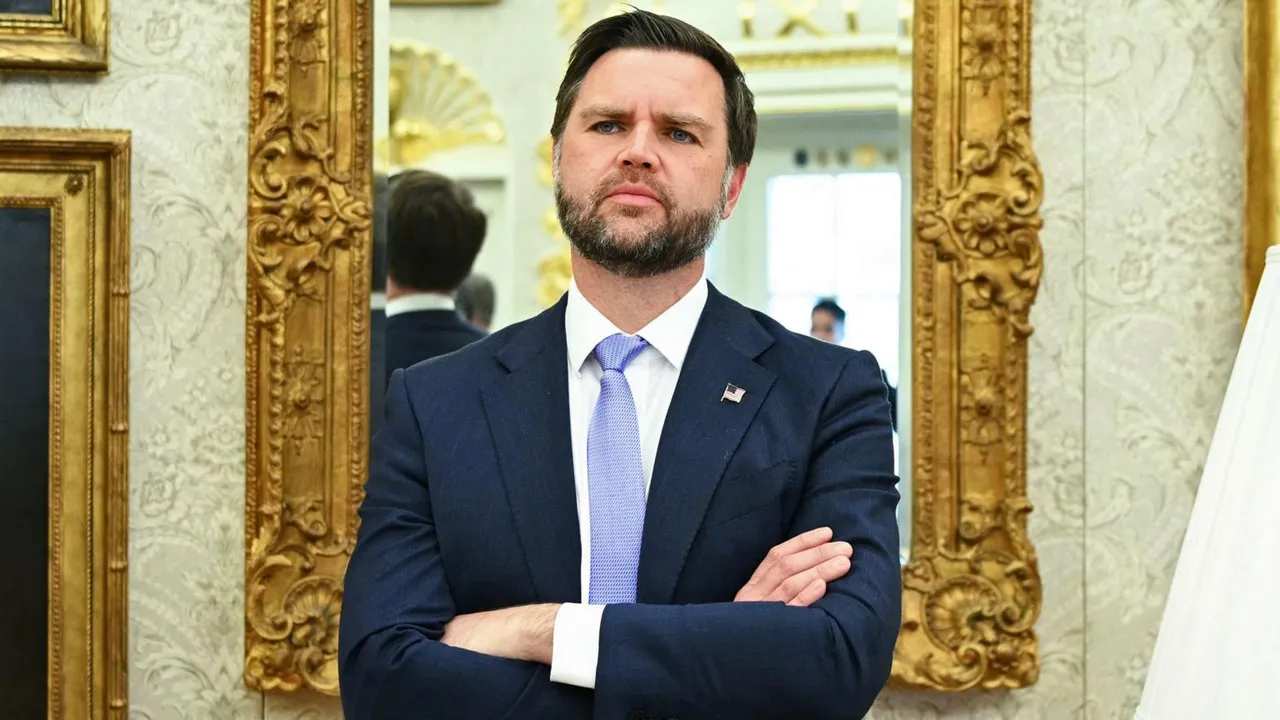
Vice-President JD Vance sent shockwaves through Washington on Wednesday by blaming his party's midterm defeat squarely on the Iran war, in what was widely interpreted as an effort to distance himself from President Donald Trump ahead of a potential 2028 White House run.
In a carefully calibrated, 600-word statement posted on X, Vance acknowledged that Trump's 2024 voters had deserted Republicans in the midterm election.
"The reason we lost is the war," he wrote. "The president himself said so last night."
Democrats flipped control of both the US House of Representatives and the Senate. Trump, in interviews late Tuesday night and Wednesday, defended the war but acknowledged it played a factor in the result.
Hours after the defeat, Vance made clear he viewed the decision to go to war as a political mistake.
"If you'd like to argue it was worth it, that losing the Senate for the next 6 years was worth it, then do so. Argue it was a worthwhile cost to pay. Agree or disagree, that's at least honest," he said.
The statement marked a striking departure from recent political norms. It is difficult to recall a comparable moment in modern US history in which a sitting vice-president has so sharply broken with the president over a signature foreign policy decision.
Then came an arguably greater surprise. Trump, who typically demands steadfast loyalty from senior advisers, agreed with Vance that the midterms were "largely" decided by the war. He added, however, that he would "do it again" if given the same choices.
Vance's view on the Iran war is an open secret in Washington. While he has repeatedly backed the conflict publicly since the US and Israel attacked Tehran in February, he has reportedly expressed opposition in private meetings with administration officials. Those disagreements had been kept out of the public eye until now.
Vance did not mention Trump by name in his post and attributed much of his election analysis to unnamed pollsters. According to reports, Vance showed the message to Trump before posting it online.
"Vance put his toe in the water to see what he's going to do," Ashley Davis, a Republican strategist, said.
Beyond criticising the war, Vance offered what read as a political roadmap that could preview a future presidential campaign. He outlined a four-point plan to win back voters: "1) End the war 2) Focus on cost of living/inflation 3) Put America First 4) Change our relationship to Israel."
The list encapsulated much of Vance's worldview and read like the core argument of a future campaign speech.
The next presidential election is still two years away. Vance is widely expected to run but has not made an official announcement, and aides say he is still considering his options.
Trump has been circumspect about who he would support as the 2028 Republican presidential nominee. He has praised both Vance and Secretary of State Marco Rubio on several occasions but has not indicated when, or whether, he would make an endorsement. Trump has also floated, on past occasions, the idea of seeking a third term, which is barred by the US Constitution.
Whether Vance's statement proves to be a significant political moment or a brief departure from party discipline remains to be seen. For some observers, it may have marked the unofficial starting gun for the 2028 race and the broader battle for the future of the Republican Party.