With Election Day less than 50 days away, a growing number of Democratic lawmakers, retired military leaders and civil society organizations are seeking assurances from the Trump administration that the U.S. military will not be deployed to or around polling places during the midterm elections.
Federal law clearly bars armed federal agents — such as FBI or Immigration and Customs Enforcement officers — and military troops from operating near polling sites. However, President Trump and several senior officials have repeatedly sidestepped direct questions on the matter. Some have suggested that a federal presence at polls might be necessary to ensure trust in the vote, a claim that election officials across the United States deny.
Those officials say they plan to administer the midterm elections as usual and have been working to assure voters that contingency plans are in place should armed federal personnel appear at polling locations.
The concern over potential federal interference has prompted a wave of action by civil rights groups, unions and political organizations, including multiple lawsuits, Freedom of Information Act requests and public service announcements advising voters on what to watch for on Election Day.
Retired Air Force military lawyer Maj. Gen. Steven Lepper, part of the Former Judge Advocates Working Group — a group of several dozen retired military lawyers that has been tracking the president's executive orders and military deployments — warned that the risk grows as the administration's options narrow.
"Quite frankly, as this president's options are dwindling, the idea that he might use the military becomes even more of our concern," Lepper said.
The group has written several reports to Congress outlining its concerns. Lepper specifically flagged the executive order declaring antifa a terrorist organization, warning it could be invoked amid disruption at polling places to justify activating the Insurrection Act — something Trump has repeatedly threatened to do.
"Either this administration is trying to limit the ways in which votes can be cast, or they're setting up a situation where a scenario could be concocted to justify the use of military force," Lepper said.
When asked directly by a reporter in May about deploying the National Guard or ICE to polling places, Trump did not rule it out, saying he would do "anything necessary" to ensure "honest elections." The White House did not provide a direct response when asked for clarification.
Lepper also cautioned that even if such a deployment faced immediate legal challenges — as Trump's previous domestic military deployments have — court proceedings take time, and the damage to an election could be irreversible.
"There's no do-over," Lepper said. "There's no way the courts can basically reverse the impact of something like [election interference]."
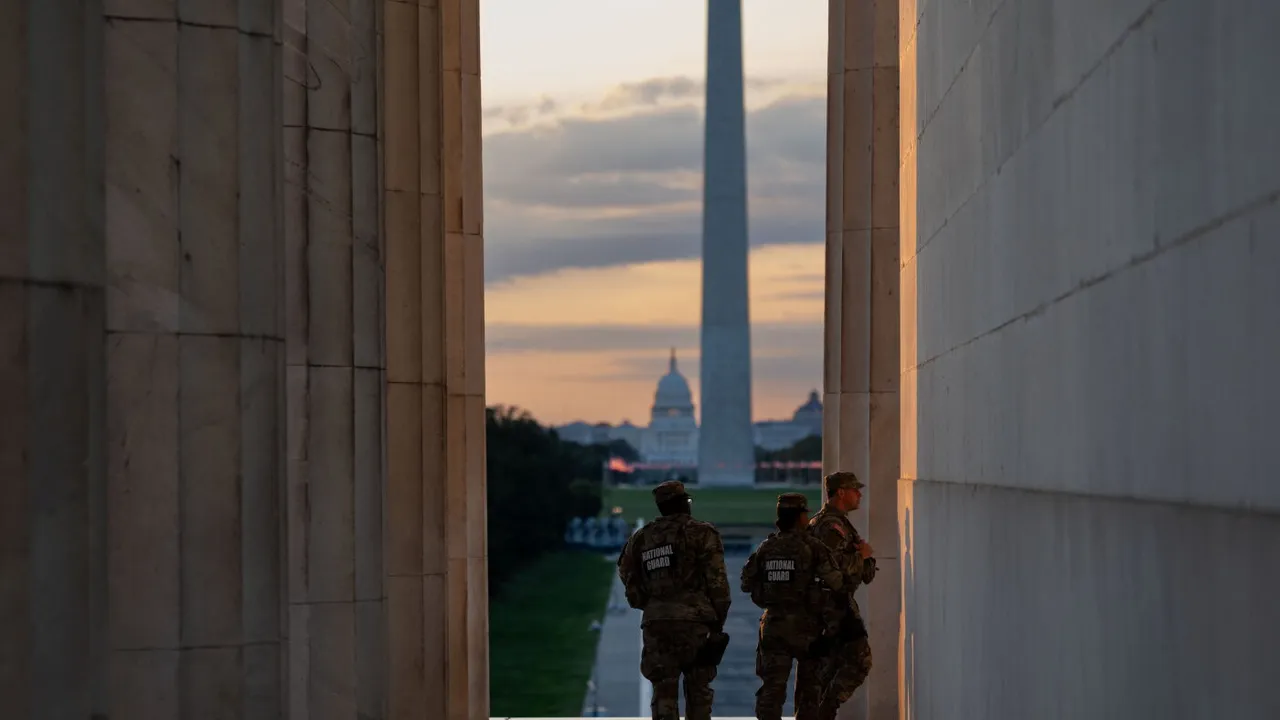
The National Guard can legally support elections in various capacities — such as logistical or cybersecurity assistance — when deployed by state governors. However, the president ordering troops or armed federal agents to polling places is illegal under federal law.
Pressure on the administration has also come from Capitol Hill. In March, several Democratic members of the Senate Armed Services Committee sought assurances from Gen. Gregory Guillot, commander of U.S. Northern Command, who would oversee federal troops if such an order were issued.
When Sen. Tammy Duckworth of Illinois asked what guardrails exist in such a scenario, Guillot said he clearly understands the applicable laws. "If given the order, I would look at it very closely," he said, adding that he did not believe troops should be "anywhere near" polling places.
The Democratic National Committee has also filed a lawsuit against the Trump administration over the issue, according to reports. Experts note that the Supreme Court's recent rejection of Trump's executive order seeking to limit mail voting has further constrained the administration's options, potentially increasing the likelihood it may turn to other measures.