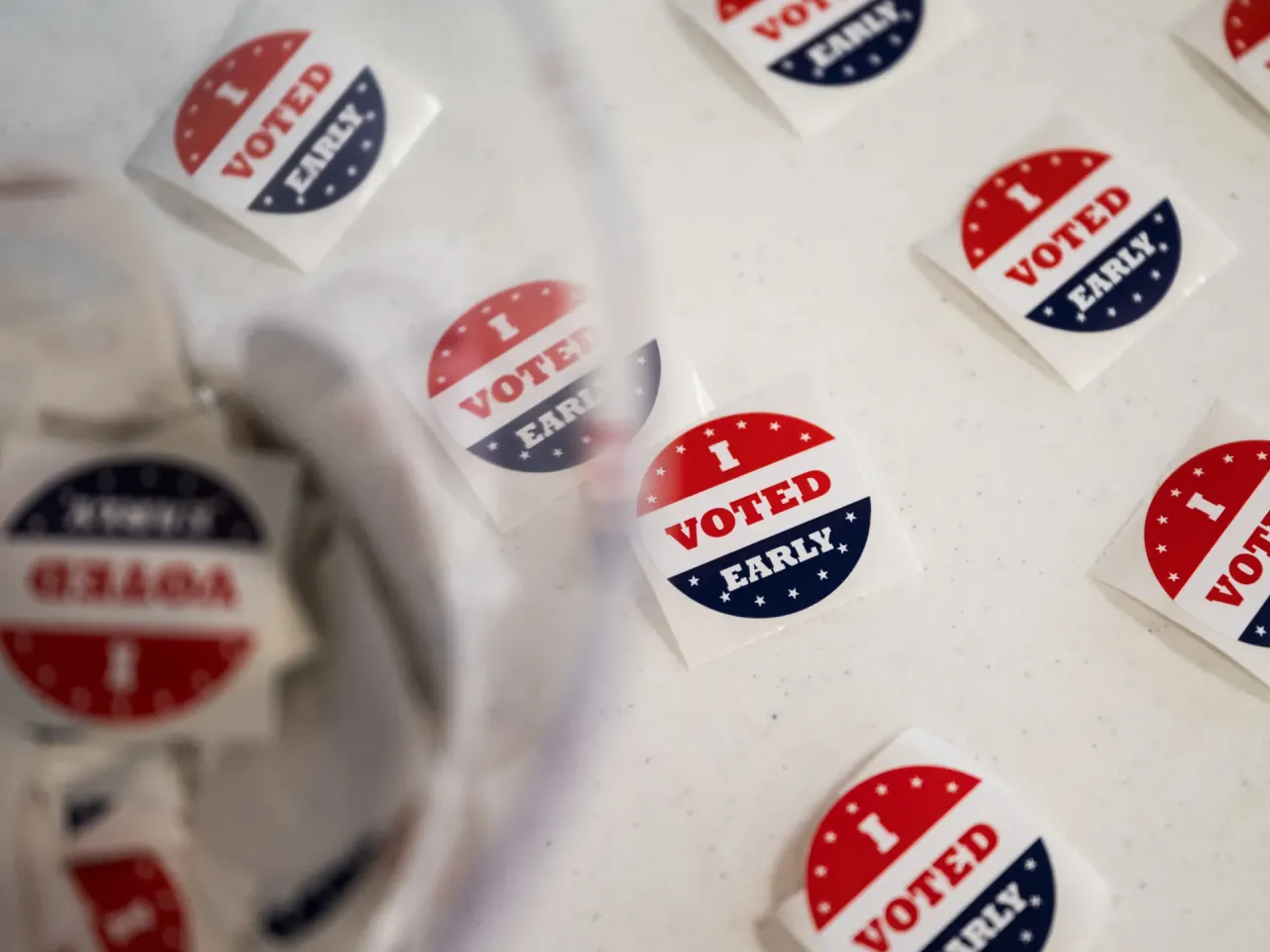
Two separate developments have shaken confidence in the integrity of the United States electoral process ahead of the 2026 midterm elections, as fabricated polling data circulated through mainstream media and federal prosecutors issued grand jury subpoenas to election workers in Los Angeles County.
The Los Angeles County Registrar-Recorder's office confirmed that it received grand jury subpoenas directed at employees last week. The subpoenas require at least two staff members to appear in court on November 4. It remains unclear whether those employees are targets of a criminal investigation. The Department of Justice has said it generally does not subpoena targets.
DOJ spokesperson Kiersten Pels declined to confirm the subpoenas directly. "The Department of Justice does not comment on alleged grand jury subpoenas," she said in a statement. She added that all parties, including California in its own court filings, agree that noncitizen voting is properly addressed through criminal law.
The subpoenas follow weeks of escalating pressure by the DOJ on California election officials. In recent weeks, the department sent letters warning local officials they could "risk significant federal scrutiny and legal exposure" if they refused to cooperate with demands to set aside ballots linked to individuals flagged as "likely" noncitizens. The letters stated: "If persons knowingly tabulate ballots cast by individuals identified by federal agencies as noncitizens, they risk becoming aiders and abettors to a federal crime."
A day before the subpoenas became public, U.S. District Judge David O. Carter rejected a DOJ request to require California officials to set aside and stop processing ballots from a list of approximately 20,000 voters the federal government described as "likely" noncitizens. Carter found no legal basis for the demand and said the court was not convinced the list was reliable. He also raised concerns that the effort could disenfranchise eligible voters and create election chaos. The DOJ is appealing his ruling to the 9th Circuit Court of Appeals.
At a hearing on Tuesday, Carter warned DOJ officials directly: "This court believes it would be wise that any threats to state and county elected employees cease immediately." He repeated the warning in a written order issued Wednesday evening: "The court reiterates what it said yesterday: these threats must stop."
Los Angeles County Registrar-Recorder Dean Logan welcomed the judge's remarks. "Judge Carter's admonishment about threats directed at election officials on Tuesday was well placed and appreciated," Logan said. "At every step, the U.S. Department of Justice has taken a confrontational, adversarial approach. Election officials are acting in accordance with state and federal law." He added that his office would "take whatever steps necessary to ensure the safety of our employees."
Separately, a fabricated polling scandal has exposed significant weaknesses in how survey data is verified before reaching the public. A firm called Wedgewood Polls, which launched in June, published surveys covering competitive races across multiple battleground states including Texas, Ohio, Michigan, Kansas and Maine. Its results were picked up by political campaigns, commentators and polling aggregators before being exposed as fraudulent.
Wedgewood admitted in a social media statement, since deleted, that its data was fake. The firm described its operation as "an experimental project" intended to highlight the "vulnerabilities, lack of oversight and overall low barrier to entry" in the US polling industry. "Having previously worked in the polling and research sector, we watched as the public's trust in polling eroded alongside a rise in unverified, low-quality methodology," the firm said.
The firm justified its false data as a test of how easily fabricated polling could gain traction. "The short answer: Far too easy," Wedgewood said.
Before the admission, a prominent newspaper's polling tracker had listed 15 Wedgewood surveys published between June and October. The newspaper subsequently removed them. It said the firm had answered questions about its personnel, methodology and funding before its results were included, and that the surveys had not been incorporated into its presidential approval or national congressional polling averages.
The investigation that prompted Wedgewood's admission was conducted by FiftyPlusOne, a polling and forecasting website. According to that investigation, inconsistencies in raw data and technical identifiers associated with survey responses raised suspicions about the firm's authenticity.
Data journalist G. Elliott Morris, who was involved in the probe, rejected Wedgewood's framing. "We were investigating Wedgewood for faking their data," he said. "They are trying to cover up for their fraud with the 'we were doing a social experiment' excuse."
The Wedgewood case was the second such scandal in the 2026 election cycle. In August, another firm, Median Strategies, acknowledged it had also fabricated results as what it called a "short-term social experiment."