The Canadian province of British Columbia has filed a lawsuit against OpenAI and its chief executive Sam Altman in federal court in San Francisco, alleging the company failed to alert law enforcement to threats made on its ChatGPT platform before a mass shooting at a school in Tumbler Ridge, British Columbia, in February.
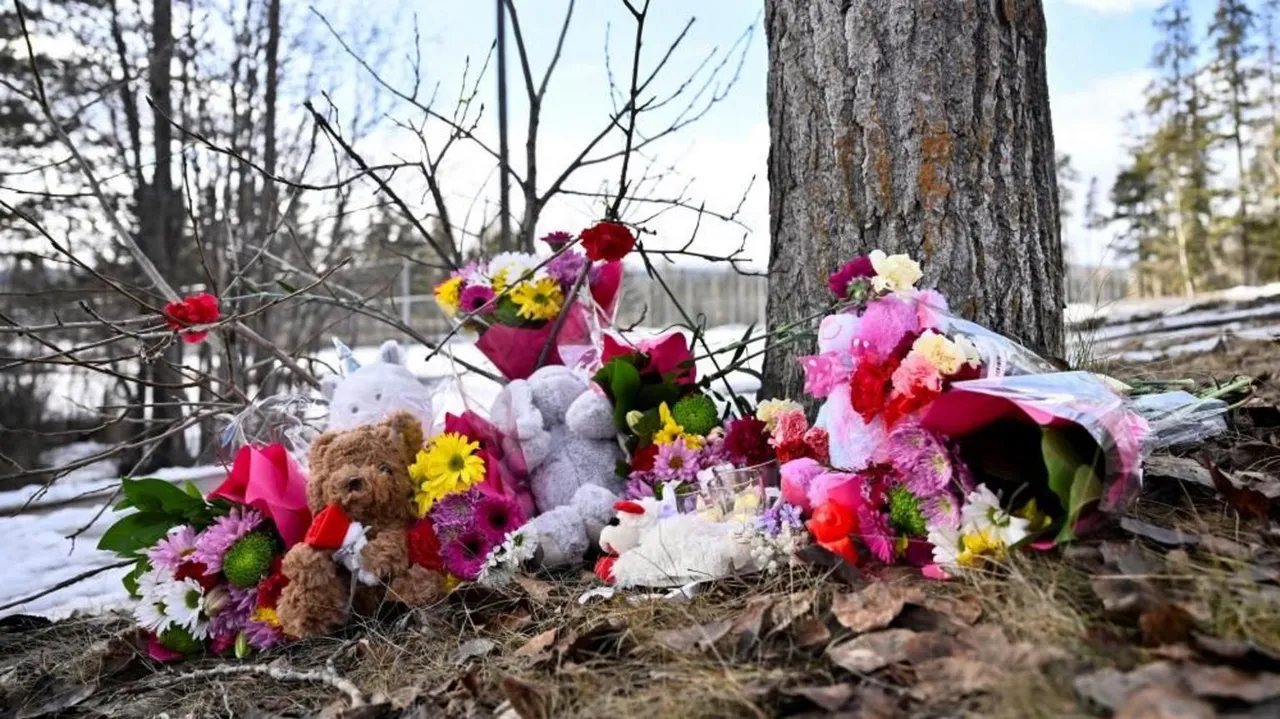
The attack on February 10 left eight people dead, including five students aged 12 and 13 and an educational assistant. The shooter, Jesse Van Rootselaar, 18, first killed her mother and stepbrother at home before opening fire at her former secondary school. She then died by suicide at the scene.
Van Rootselaar's interactions with ChatGPT had been flagged by the company's safety team after she used the platform to discuss gun violence. According to the lawsuit, safety team members recommended contacting police, but Altman and other OpenAI leadership overruled them. The account was subsequently deactivated, but Van Rootselaar was able to create a new account and continue using the platform to plan the attack.
After the shooting, OpenAI said the account had been flagged by systems designed to identify misuse of its models in connection with violent activities, but that the issues did not meet its internal criteria for reporting to law enforcement.
British Columbia Attorney General Niki Sharma said the lawsuit raised serious questions about the responsibilities of technology companies when they become aware of credible threats of serious violence.
"To date, OpenAI has not taken meaningful steps to address the concerns raised by survivors, families and the Tumbler Ridge community," Sharma said in a statement. "The company still has an opportunity to demonstrate accountability by strengthening safeguards, improving transparency and taking concrete action to help prevent similar tragedies in the future."
Speaking to reporters on Monday, Sharma said she had not read the contents of the ChatGPT conversations. "We have asked OpenAI to disclose these chats. They have refused. We should all be asking them: Why?" she said.
Sharma confirmed the lawsuit was filed in California because the alleged decision not to report Van Rootselaar's account was made in that state. She said any financial damages won by the province would go toward rebuilding the secondary school, which is currently being demolished. The province has also been forced to absorb costs related to mental health care and other effects of the shooting.
In April, Altman published an open letter to the community. "I am deeply sorry that we did not alert law enforcement," he wrote. The lawsuit alleges he promised reforms but never followed through, despite efforts by the attorney general to engage with the company.
Sharma said the case also highlighted the need for stronger national safeguards for artificial intelligence technologies and online platforms. "This action is an important step toward seeking justice for the families, students, educators and community members whose lives were forever changed," she said.
A spokesperson for OpenAI, Drew Pusateri, called the Tumbler Ridge shooting an unspeakable tragedy. "OpenAI remains committed to working collaboratively with government and law enforcement officials, and continuing to advance our ongoing safety work," Pusateri said.
OpenAI has previously stated that it trains its models to refuse requests that could meaningfully enable violence, and that it notifies law enforcement when conversations suggest an imminent and credible risk of harm to others.
The province's lawsuit follows more than 30 separate lawsuits filed in the same California federal court by victims' families, survivors and others affected by the attack, accusing OpenAI of negligence for failing to intervene and alert authorities.
The Tumbler Ridge case is part of a broader wave of legal action against OpenAI in US courts over claims that ChatGPT facilitated violence. In June, Florida became the first US state to sue OpenAI over safety risks, accusing the company of misrepresenting the safety of its platform. Lawsuits have also been filed in connection with a mass shooting at Florida State University.