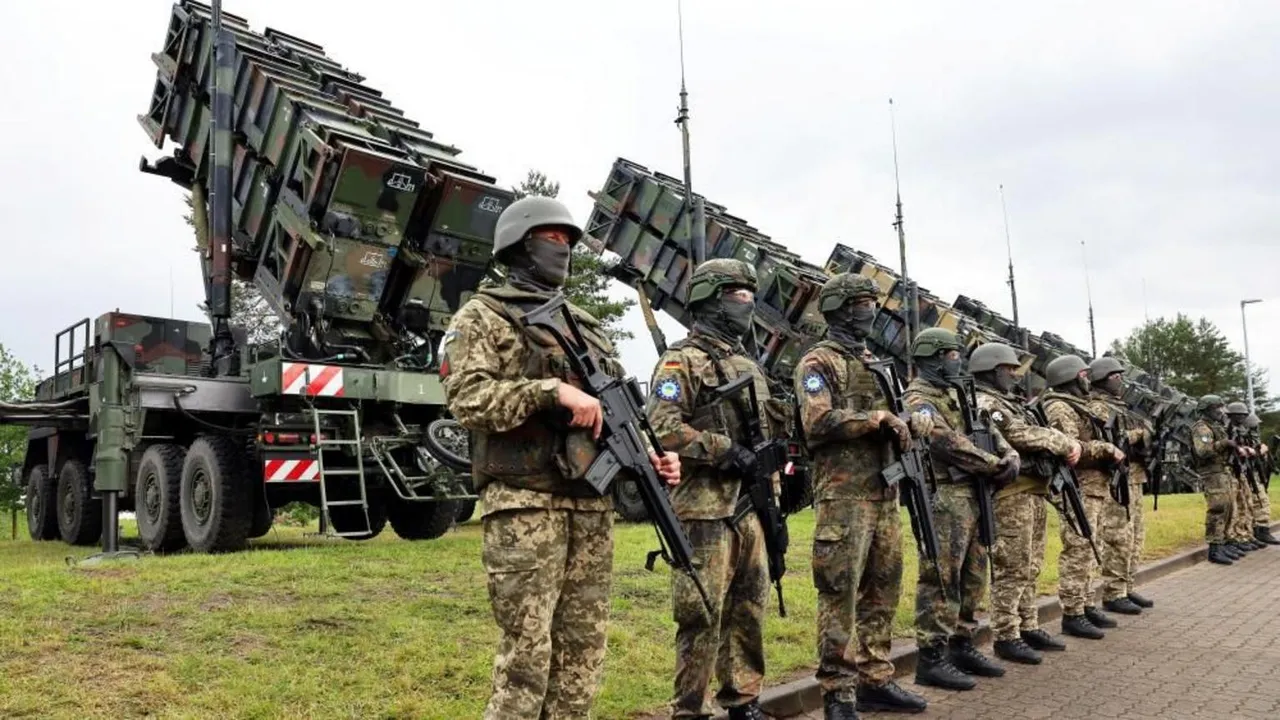
The United States has approved the possible sale of 500 Patriot PAC-3 missiles to Ukraine for an estimated $2.1 billion, the State Department announced on Friday, in one of the most significant steps to supply defensive weapons to Kyiv since President Donald Trump began his second term in January 2025.
The package includes missiles, parts and support. Lockheed Martin is named as the principal contractor. No US government funds are involved in the transaction.
Ukraine will pay for the purchase using contributions from Canada, Germany and Norway channelled through a programme called US JUMPSTART, along with national funds financed by the European Union's Ukraine Support Loan.
Despite the scale of the announcement, Kyiv is unlikely to receive the interceptors quickly. Weapons sales typically take years to fulfil. Two people briefed on the decision said the missiles, which have yet to be manufactured, are not expected to be delivered until a couple of years into the 2030s.
Ukrainian President Volodymyr Zelenskyy praised what he called a "strong decision by the US State Department" but warned the timeline was insufficient. "However, it has been stipulated that deliveries may begin ONLY IN A FEW YEARS. We are asking our American partners to find a solution for the time when there is a real danger and a real need to use PAC-3 interceptors," he wrote on X early Saturday. "Right now, the Russians are attacking our energy infrastructure every single day."
Zelenskyy said US and European allies already hold sufficient stockpiles of Patriot interceptors to supply Ukraine now, with those stocks replenishable through contracts already paid for by Ukraine and its partners. He described this approach as "entirely feasible" and "the right approach." Ukraine's Ministry of Defence is also reportedly encouraging the Pentagon to bring forward the delivery date, possibly by transferring missiles already held in the US arsenal and backfilling with newly produced interceptors.
Zelenskyy said on Monday that Kyiv had been waiting for nearly a month for Washington to approve the critical missile supplies, as Russia intensified attacks on Ukrainian energy and civilian infrastructure.
The Patriot system is widely regarded as the most effective weapon available for countering fast-moving ballistic missiles. Ukraine has long said it urgently needs more interceptors to defend against the growing volume of missiles Russia fires at the country.
The announcement follows a period of heightened tension between Washington and Kyiv. Trump announced a diesel deal with Russia and criticised Zelenskyy for Ukraine's continued strikes on Russian refineries. Trump also stated it was time for Ukraine to find a new leader to negotiate an end to the war. Tensions eased after Zelenskyy held talks with US envoys in Oslo on 20 October.
The State Department said the sale "will support the foreign policy and national security objectives of the United States by improving the security of a partner country that is a force for political and economic stability in Europe."
In July, the US Army awarded Lockheed Martin a contract worth up to $58.6 billion to produce Patriot interceptor missiles. Lockheed has said the deal would allow it to fulfil a commitment to triple PAC-3 production capacity by the end of 2030, with annual output projected to reach 2,000 units. Pentagon negotiators are pressing weapons contractors to accelerate production.
Concerns have been raised about US inventories of key air defence and precision-guided weapons, following the large-scale supply of arms to allies and the use of munitions in US military operations in Iran.
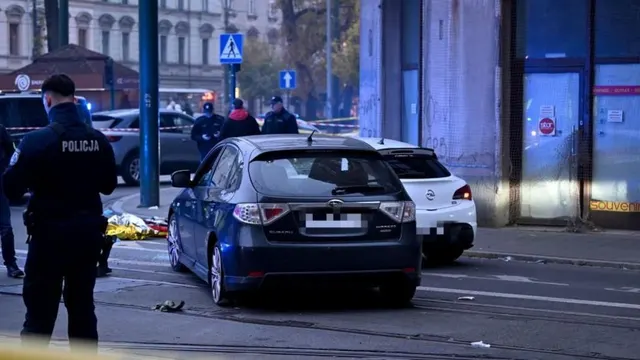
On Thursday, a Russian drone strike killed at least 14 people on a crowded rail platform in the Ukrainian city of Dnipro. Five more people were killed in daytime strikes on two other cities, and a late-evening missile strike killed one person in the capital, Kyiv, officials said.
Russia launched its full-scale invasion of Ukraine in February 2022, having previously seized Crimea and parts of the Donbas region in the east.
On the sidelines of the G20 foreign ministers' meeting in Atlanta, hosted by US Secretary of State Marco Rubio, European diplomats protested the presence of Russian Foreign Minister Sergei Lavrov by refusing to stand for an official photograph. UK Foreign Secretary Ed Miliband addressed Lavrov directly at the summit. "Let me say this directly to the Russian Foreign Minister: We all know who the aggressor in this war is," Miliband said, accusing Russia of killing innocent civilians in Ukraine.