The United States House of Representatives has passed a bipartisan sanctions bill targeting Russia over its continued war in Ukraine, sending the legislation to President Donald Trump for his signature.
Lawmakers voted Wednesday 262 to 159 to approve the measure, which had already cleared the Senate in August by a vote of 86 to 11. The bill marks the first time in more than two years that Congress has passed legislation supporting Ukraine.
The legislation is named in memory of the late Republican Senator Lindsey Graham of South Carolina, who helped negotiate Trump's support for the package before his sudden death in July. Democratic Senator Richard Blumenthal of Connecticut co-wrote the bill with Graham.
The measure would impose sanctions on Russian officials, banks, companies, and a shadow fleet of tankers used to keep Russian energy exports moving. It would also give the president new authority to impose tariffs of up to 100 percent on countries importing oil and natural gas from Russia, such as China and India.
Fifty-eight House Democrats broke with their party's leadership and joined most Republicans to pass the bill. Seven Republicans voted against it.
House Democratic Leader Hakeem Jeffries opposed the legislation, citing the broad tariff authorities it grants to the White House.
"The manner in which this bill has been written doesn't require the president of the United States to impose sanctions on Russia," Jeffries said on the House floor Wednesday. "In fact, there are so many loopholes written into the bill, I believe, that it's very unlikely that the sanctions relief contemplated in the legislation will ever see the light of day."
Other Democrats echoed those concerns. Representative Don Beyer of Virginia warned that the bill's language could allow the president to define almost any country as a facilitator of evading Russian sanctions.
"He could then hit them with tariffs of up to 100%, with no guardrails or oversight, and no expiration," Beyer said.
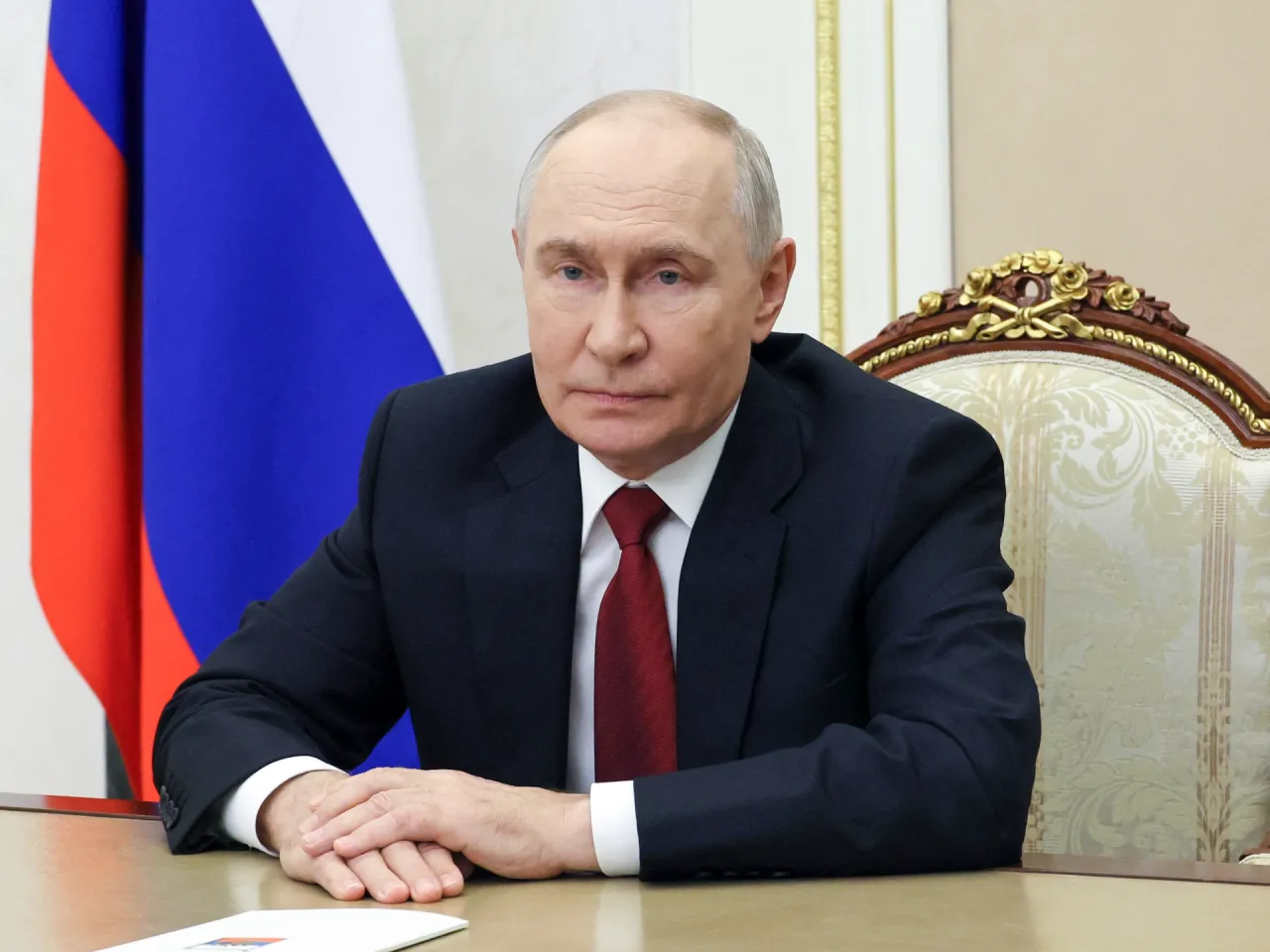
House Speaker Mike Johnson praised the bill's passage, saying it places "maximum pressure on the Russian war machine," including President Vladimir Putin.
"For too long, Putin has bankrolled this devastating war with money and resources from countries willing to look the other way, and today, that ends," Johnson said in a post on social media. "This bill sends a powerful message of American unity and gives the Administration every tool in the toolbox to help bring this war to a just end, and we are proud to send it to the President's desk."
Representative Michael McCaul of Texas also backed the measure. "This is a moral issue that requires moral courage," he said. "I want us to be able to say that we did everything possible to end this war. That we understood the threat. That we had the courage to do what was right — to cripple the Russian war machine and turn the tide toward peace."
Ukrainian President Volodymyr Zelenskyy had pushed for the bill's passage and made a direct appeal to senators shortly before the Senate approved it last month.
Blumenthal said he hopes the sanctions will help force Putin to the negotiating table. "To Vladimir Putin – we have your number," he said. "And to Ukraine – you are not alone."
Following the vote, a group of Republican and Democratic lawmakers from both chambers held a rare bipartisan news conference to mark the occasion.
Trump is expected to sign the bill into law.