Amnesty International has accused Russia of human trafficking, saying foreign nationals were deceived with fake job offers and forced to fight in Ukraine.
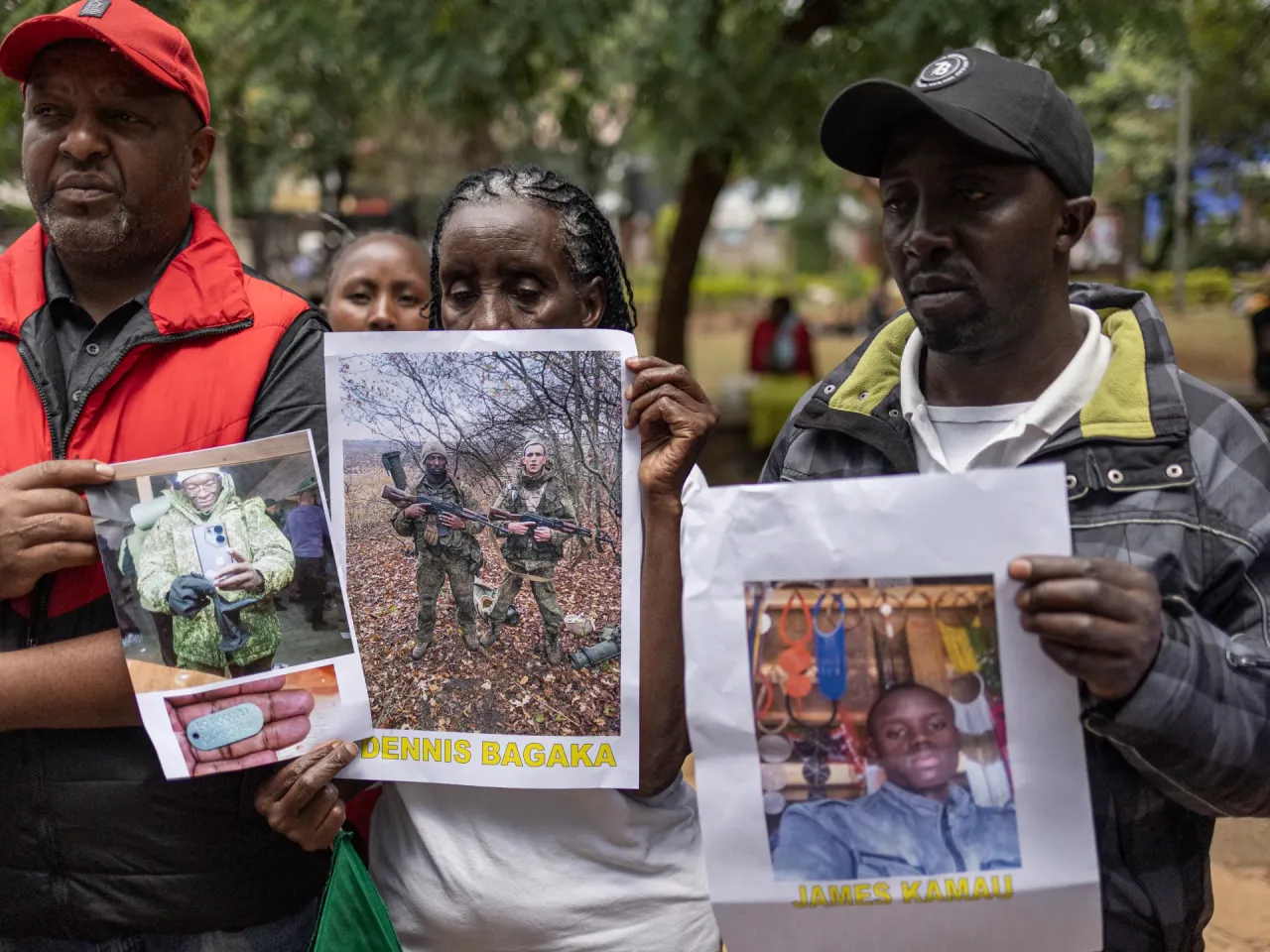
A report released Thursday by the rights group found that victims from Brazil, Colombia, Sri Lanka and South Africa were lured to Russia under the pretense of well-paid civilian or non-combat positions, then coerced into joining the Russian army upon arrival.
Russian recruiters also targeted migrants and refugees already living in Russia, the report said.
"Amnesty's research demonstrates how Russia's Armed Forces are bolstering their ranks with economically vulnerable foreign nationals and using them as cannon fodder in the war of aggression against Ukraine," said Agnes Callamard, Amnesty International's secretary general.
"The level of exploitation and coercion involved led us to conclude that in many cases this amounts to human trafficking, as defined under the [United Nations] Palermo Protocol," Callamard added.
Amnesty International interviewed prisoners of war at two Ukrainian camps between 2024 and 2026. The rights group also spoke with foreign nationals currently serving with Russian forces, members of their families, lawyers, human rights activists and journalists.
The report found that local agents and misleading online job advertisements were used to deceive foreign nationals in their home countries. The average targeted recruit was described as under 40, living in a poorer country and lured by the promise of a job.
In one case, a South African man who applied online for a driving job in Poland was instructed to fly to Moscow to collect a truck and drive it to Poland. His wife told Amnesty International: "Upon arrival to Moscow, everything was taken from him. He was told that he would not be going to Poland and that he is becoming a soldier."
Many recruits were promised lucrative salaries and sign-up bonuses that were never paid. All interviewees said their freedom of movement was severely restricted after signing military contracts. Recruits from Brazil and Sri Lanka reported that their passports and mobile phones were confiscated during training, before they were sent to the front line.
Both Russia and Ukraine have recruited thousands of foreign nationals into their armies since Russia launched its invasion of Ukraine more than four years ago.
An estimated 28,000 foreigners from 136 countries are said to be fighting in the Russian army. Officials also believe Russia deployed approximately 14,000 North Korean troops to counter Ukraine's 2024 incursion into the Kursk region.
Ukraine, meanwhile, says 16,000 foreign nationals from more than 70 countries are currently serving in its armed forces, with nearly 40 percent coming from Latin America.
Amnesty said it cannot conduct equivalent inquiries into foreigners serving in Ukraine's army, as it has no access to prisoners of war held in Russia. Russia has designated Amnesty International a "foreign agent."
Russia has previously dismissed accusations of coercing foreigners into joining its military.