When the United Kingdom announced sanctions against Israeli settlements in the occupied West Bank on Tuesday, Israel responded with fury. It declared it would close Britain's diplomatic mission to the Palestinians, expel UK military personnel from an international coordination base near Gaza, and ban nearly a dozen left-wing British members of parliament from entering Israel.
The measures marked a sharp diplomatic escalation. The UK had justified its action by arguing it had a moral imperative to halt what it called the "destruction" of the two-state solution. It accused the Israeli government of turning a blind eye to the "ethnic cleansing" of Palestinians by settlers.
By the afternoon, the standoff had widened further, with 11 mostly European countries set to join the UK-led trade ban on settlement goods.
The episode raised an immediate question: would the United States, Israel's principal backer, step in to shield it diplomatically and condemn Britain's move?
That possibility appeared real when US Ambassador to Israel Mike Huckabee suggested, before the UK announcement was made, that American "sanctions, repercussions or retaliations" could be coming for Britain. He acknowledged, however, that he did not know what these would be and had not spoken to President Donald Trump.
As Tuesday progressed, Washington's response proved notably muted. Secretary of State Marco Rubio, speaking to reporters while travelling to Colombia, said: "Obviously, we're not going to do what the UK did. We saw their announcement today but I don't have any comment on it right now."
Rubio added that Britain had notified the administration in advance, most likely during a phone call Trump held with UK Prime Minister Keir Starmer on Monday. He said the US shared "the goal of stability" in the region and did not "want to see some uptick in violence… in the West Bank."
The remarks fell well short of a rebuke. On Wednesday, Trump said he would speak to Israel to understand its thinking, adding: "I understand exactly what's going on, but I want to find out why all of a sudden has that happened."
According to reports, high-level discussions about the US response were under way within the administration on Tuesday. The baseline position appeared to be against any action that could negatively affect American companies.
Huckabee, who holds longstanding views rooted in biblical justifications for Jewish settlement in the West Bank, appeared to have been speaking off the cuff in some of his public remarks — a pattern now common among some Trump-appointed ambassadors.
Staunchly pro-Israel Republicans in Congress publicly called for action against Britain, pointing to laws in states such as Florida that penalise companies for boycotting Israel. No such measures emerged from the White House or the State Department.
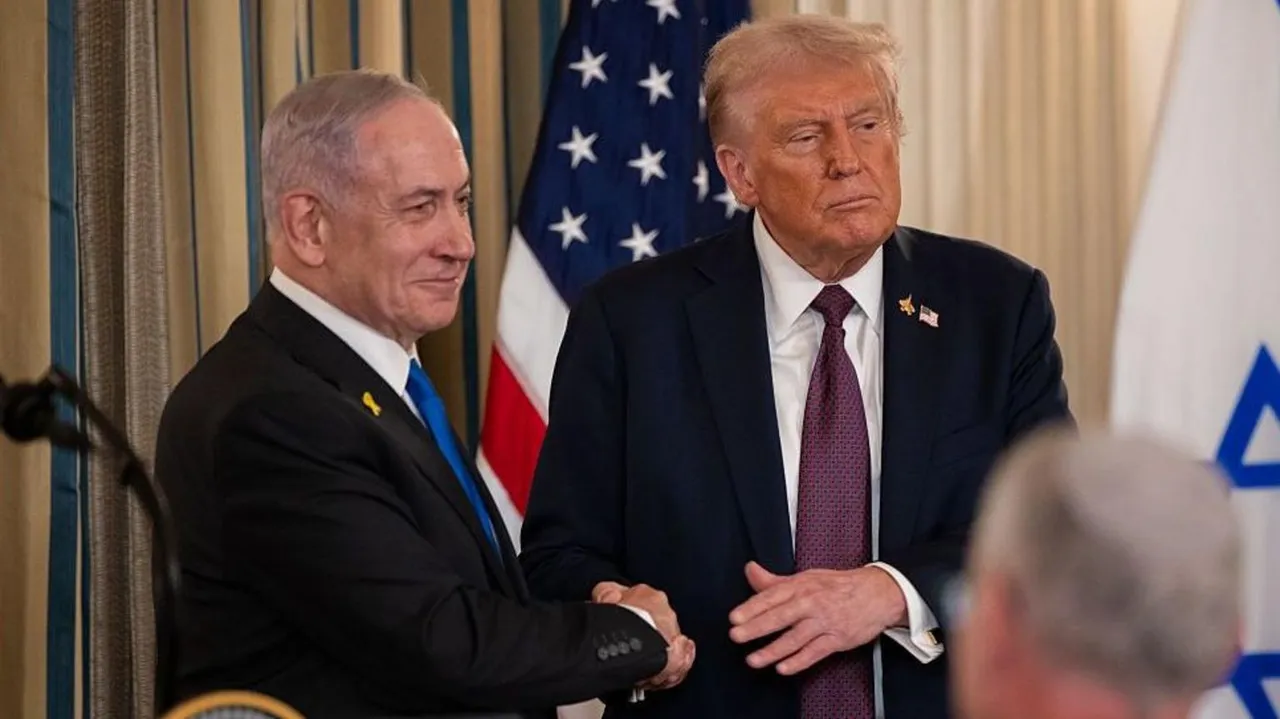
The restrained response is widely seen as reflecting deeper frustrations within the Trump administration toward Israeli Prime Minister Benjamin Netanyahu.
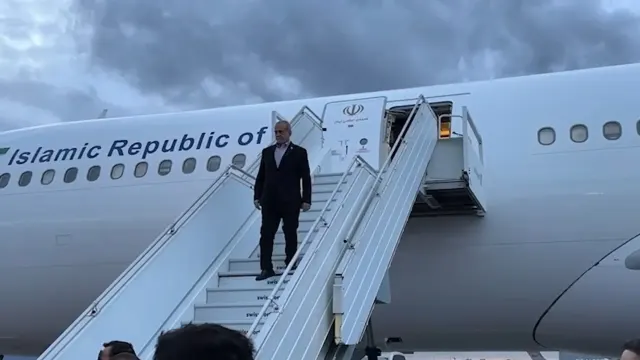
Trump's most pressing foreign policy concern is currently the Strait of Hormuz, the focal point of his ongoing confrontation with Iran. His joint military action with Israel has generated friction in his relationship with Netanyahu. According to reports, at critical moments when Trump sought to reach a deal with Tehran, Netanyahu escalated fighting against Hezbollah in Lebanon. Israel has said it was acting against security threats, but those moves risked undermining US diplomatic efforts.
Trump is also seeking progress on his Gaza peace initiative, which involves the disarmament of Hamas and an Israeli military withdrawal. Netanyahu has publicly rejected the plan in its current form.
Trump has so far declined to endorse Netanyahu ahead of the upcoming Israeli election — a notable omission that underscores the current state of the relationship.
The State Department directed reporters to Rubio's comments when asked about the UK announcement. No further official response had been issued at the time of publication.