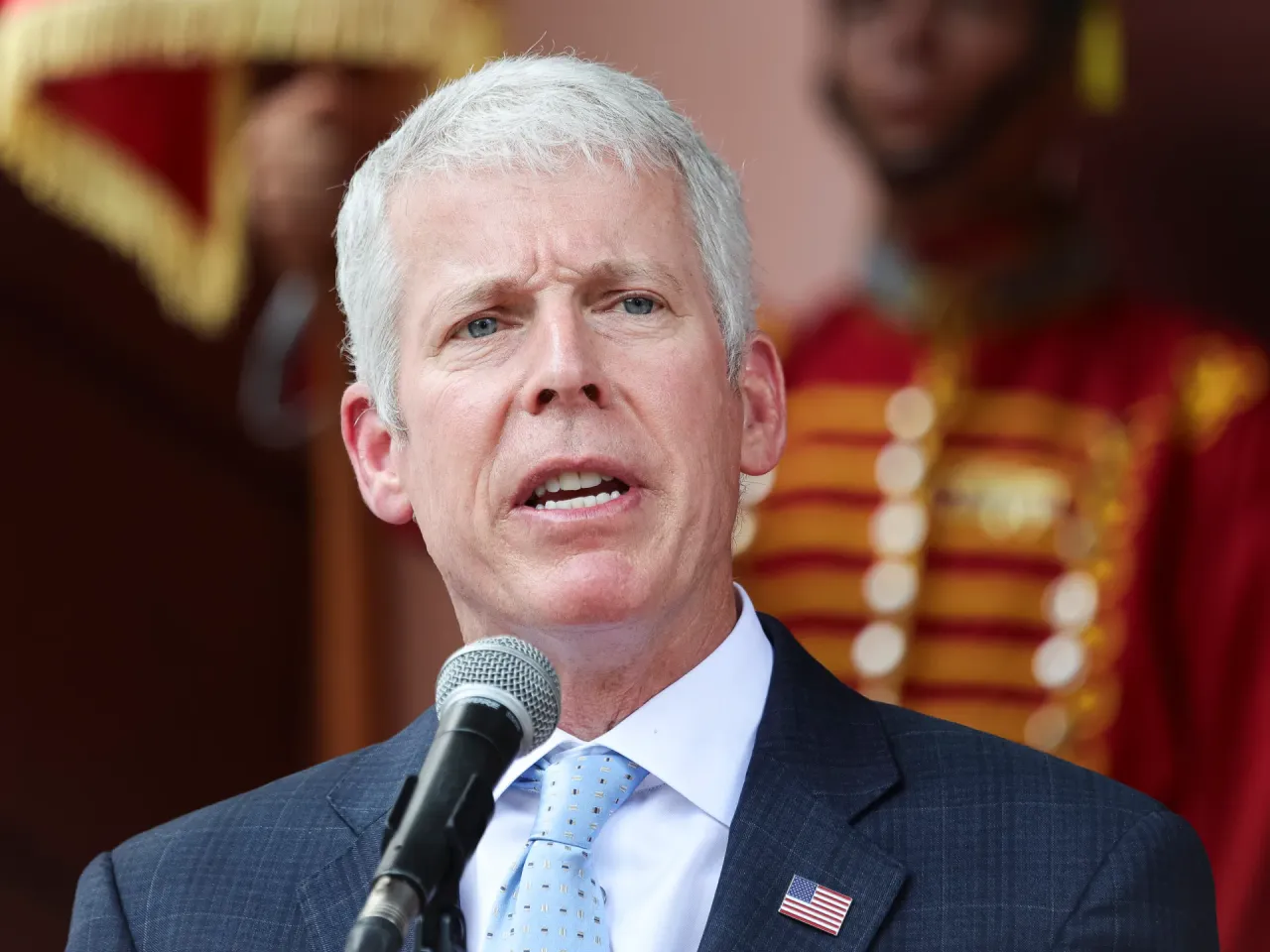
US Energy Secretary Chris Wright has publicly downplayed the chances of reaching a nuclear agreement with Iran, signalling a possible shift in US strategy toward continued military strikes on Iranian nuclear infrastructure.
Speaking on ABC's "This Week" on Sunday, Wright said "there may not" be a nuclear deal with Iran. "It may be simply destroying their capabilities to do it," he said, referring to Iran's ambitions to obtain a nuclear weapon.
Wright also said the US was weakening Iran's military capacity. "They don't have the capability to build more missiles," he said. "We're degrading their capacity to develop nuclear weapons and, ultimately, to deliver them if they develop them."
The energy secretary, whose agency oversees the US stockpile of nuclear weapons, did not rule out a future agreement entirely, but suggested it could depend on a change of leadership in Tehran. "An agreement may await the next administration in Iran," he said. "We simply don't know that."
Iran has consistently maintained that its nuclear programme is for civilian energy purposes and that it has no plans to develop a nuclear weapon.
The comments come amid renewed hostilities between US and Iranian forces. After a memorandum of understanding between the two countries collapsed in July, attacks paused before resuming. The renewed conflict has been accompanied by Iranian closures of the Strait of Hormuz and a US naval blockade.
Despite the escalation, the White House has sought to minimise the conflict in public statements. On Friday, President Donald Trump described the situation as "small potatoes." Vice President JD Vance, speaking at a White House briefing on Thursday, appeared to suggest the conflict had cooled and dismissed reports of an alleged US attack on a wedding in southern Iran, saying "sometimes things happen." At a separate briefing this week, Vance said he "wouldn't call it a war" and that there was "no active shooting right now."
Wright, without offering specifics, said on Sunday that the US would "get the job done" in Iran and that allied nations would help bring the conflict to an end. "We will work in cooperation with our allies in the region," he said. "I think you'll see countries from around the world joining this effort as well."