Pakistan's military says it is "cautiously optimistic" about ongoing mediation efforts between Iran and the United States, as regional powers work to revive a ceasefire in the eight-month-old conflict.
Lieutenant General Ahmed Sharif Chaudhry, spokesman for Pakistan's military and director general of Inter-Services Public Relations, made the remarks on Friday. They were his first public comments since a high-level delegation visited Tehran earlier this week.
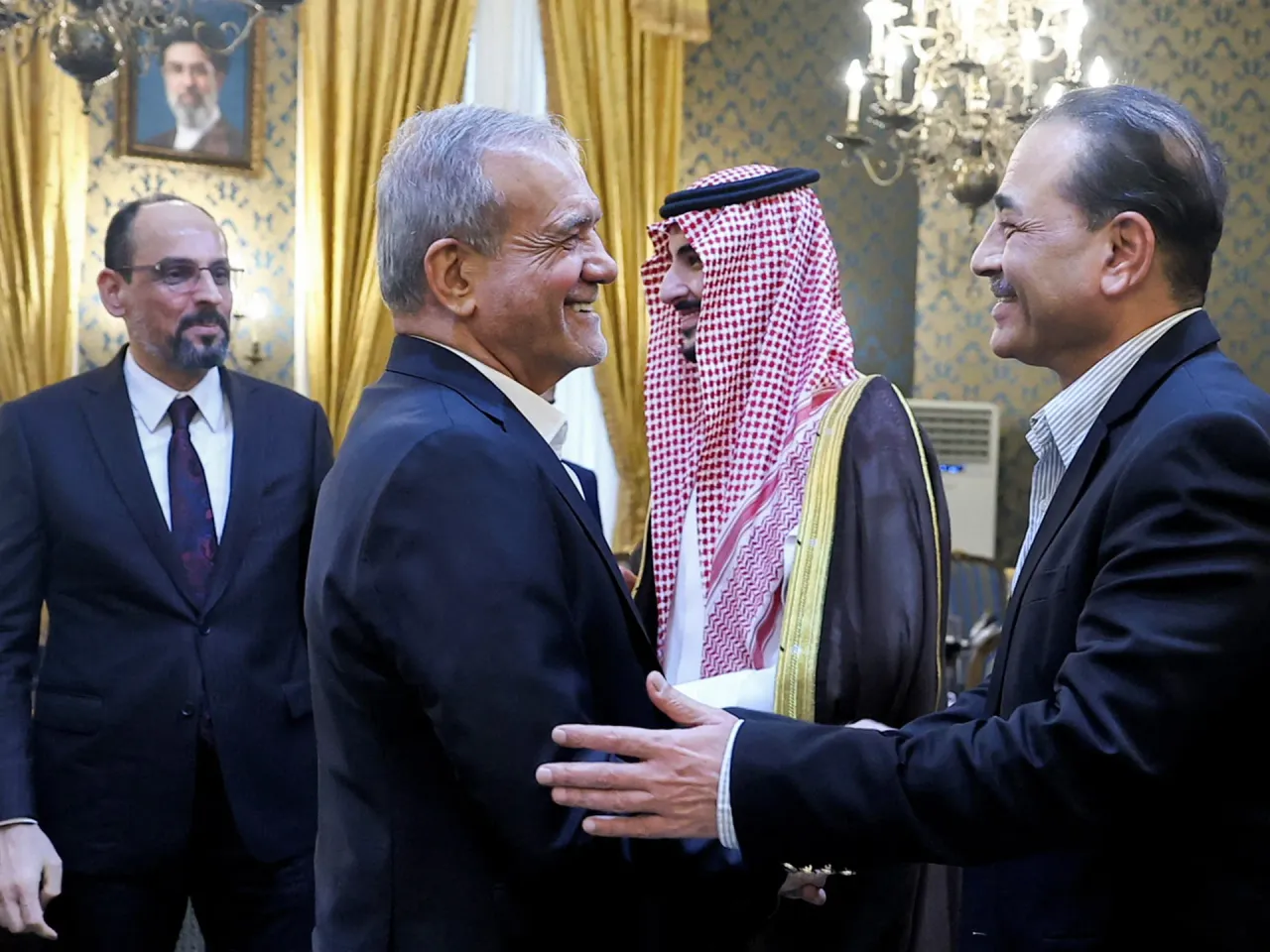
Army chief Field Marshal Asim Munir, described as Pakistan's chief mediator, has travelled to Tehran twice this month. His most recent visit took place on Monday, alongside Saudi and Turkish officials.
"Why would the Field Marshal be going twice if it is not for some positivity? So yes, of course," Chaudhry said when asked whether the repeated trips were a positive sign.
"The word that we would use is always cautiously optimistic," he added.
Speaking in Rawalpindi, where Pakistan's armed forces are headquartered, Chaudhry declined to reveal what was discussed in Tehran or whether the United States had backed the visit.
He also warned that the mediation process faces significant resistance. There are still "powerful spoilers and detractors" who believe the conflict serves their interests, he said, without naming them.
His comments came as Qatari mediators arrived in Tehran in what appeared to be a separate bid to negotiate a revival of the June ceasefire, which collapsed months after it was agreed.
Saudi Defence Minister Prince Khalid bin Salman and Turkish intelligence chief Ibrahim Kalin joined Munir in Tehran on Monday. Their countries had signed a joint defence pact with Pakistan on August 7, under which an attack on any signatory is to be treated as an attack on all.
The agreement, known as the Mecca Joint Defence Agreement, has taken on added significance as the conflict has redrawn regional alliances and raised fears of a broader war across the Middle East.
After Monday's talks, Mohsen Rezaei, secretary of Iran's Supreme National Security Council, said regional security should be ensured by regional countries without foreign intervention.
When asked on Friday whether Iran could join the pact, Chaudhry noted that its wording does not bar new members.
"Anyone who has a shared vision of collective deterrence and regional peace, why not? Everyone is most welcome," he said, adding that any such decision would rest with the political leadership of the three principal parties.
Asked whether additional Pakistani troops were being deployed to Saudi Arabia under the agreement, Chaudhry said that would depend on the situation and the decisions of both countries' political leadership.
He reaffirmed Pakistan's commitment to defending Saudi Arabia and the holy sites of Mecca and Medina. "We are not part of the Yemeni conflict, which is an intra-Yemen conflict," he added.
Fighting between Saudi Arabia and Yemen's Houthi group has been reignited by the broader Iran conflict, stoking fears of a wider regional war.


