Israeli air strikes on southern Lebanon have killed at least nine people, according to the Lebanese health ministry, with an initial report from the country's state-run National News Agency putting the death toll at 11.
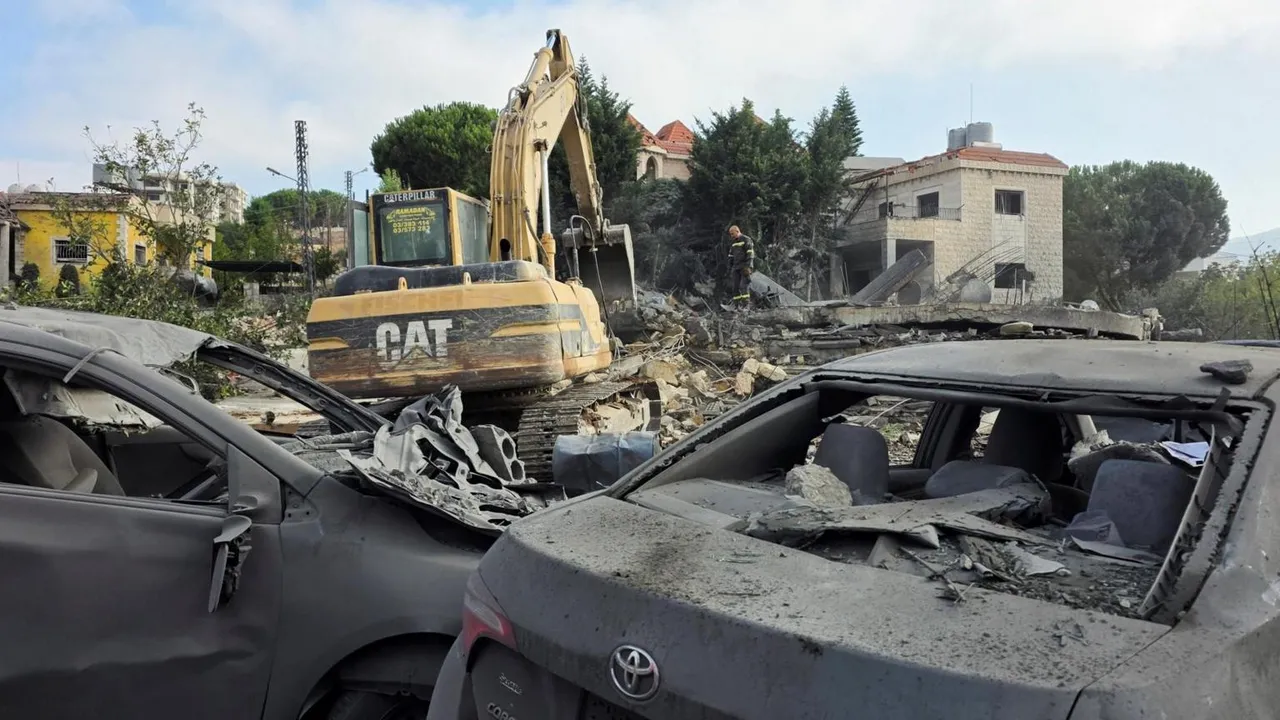
Eight people, including a child and two women, were killed when a strike destroyed a three-storey residential building in Kfar Roummane, in the Nabatieh district, shortly after midnight. The strike hit near the town's Shuyuiya roundabout. Eleven others were injured, including four children, two women, and a paramedic.
A second strike hit a vehicle carrying paramedics from an emergency service affiliated with the Amal movement, a Shia group allied to Hezbollah. One paramedic was killed and two others were injured.
The Israeli military said it was looking into the reports. The Israeli foreign ministry accused Hezbollah of "repeated drone attacks" and "attempting to rebuild its military capabilities in southern Lebanon," and said the Iran-backed group had violated the ceasefire agreement.
Kfar Roummane lies only a few hundred metres from what the Israeli military calls its "security zone," a strip of territory in southern Lebanon currently occupied by Israeli troops. Large numbers of residents have been fleeing the area as strikes have intensified in recent days.
Lebanese President Joseph Aoun described the attacks as a "dangerous escalation" that was jeopardising a US-brokered ceasefire agreed in June, which was intended to end the conflict between Israel and Hezbollah. He urged the international community to pressure Israel to halt the strikes and called on Washington for help.
The Lebanese health ministry said the death toll "serves as further irrefutable evidence of the grave violations of international humanitarian law committed by the Israeli occupation, targeting medics and children."
A resident of Kfar Roummane, Sara Moallaem, 35, said she had been asleep with her five children when she heard the explosions. She immediately moved them into the home's safe room while they waited for the blasts and sirens to stop.
Some of those killed were distant relatives of her husband. She said they were civilians with no affiliation to Hezbollah.
Moallaem said she was planning to move her family to the coastal city of Sidon. "During the day, it is almost normal, [with] people going back and forth. But as it comes near the night, things escalate, and now my children are afraid and I am packing now for the sixth or seventh time. It is terrible," she said.
"Now that they are targeting civilians, I don't want to weep for my children," she added.
On Sunday, Israeli strikes also killed seven people across other parts of southern Lebanon. The Israeli military said it was retaliating for drone attacks by Hezbollah on troops in occupied areas of the country.
The trilateral framework agreed by Lebanon, Israel, and the United States calls for Hezbollah to disarm, Israeli forces to withdraw gradually from southern Lebanon, and the Lebanese army to deploy across the area.
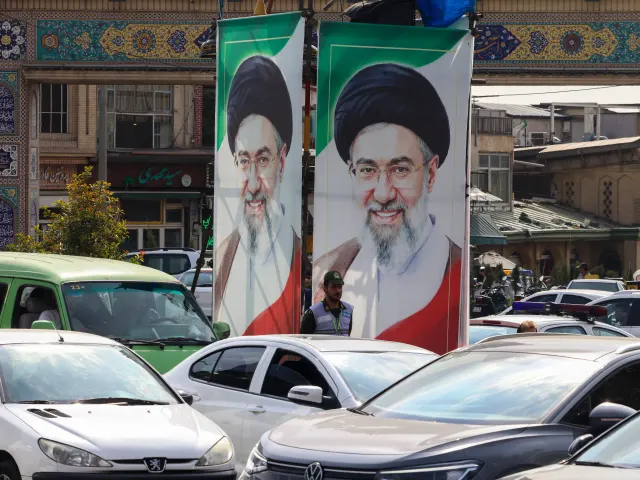
Lebanon was drawn into the broader conflict on 2 March, when Hezbollah launched rockets into Israel in retaliation for a strike that killed Iran's supreme leader. Israel responded with a bombing campaign across Lebanon and an invasion of a significant part of the country's south.
At least 4,362 people have been killed in Lebanon during the conflict, including 395 women and 259 children, according to the health ministry. The ministry's figures do not differentiate between combatants and civilians. Israeli authorities say 40 soldiers and four civilians have been killed on their side.