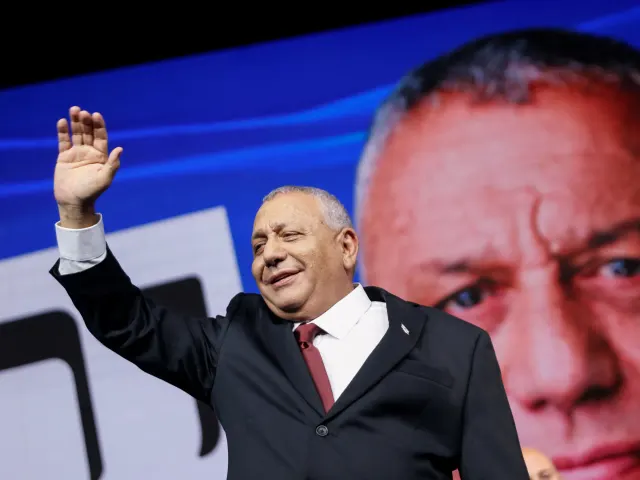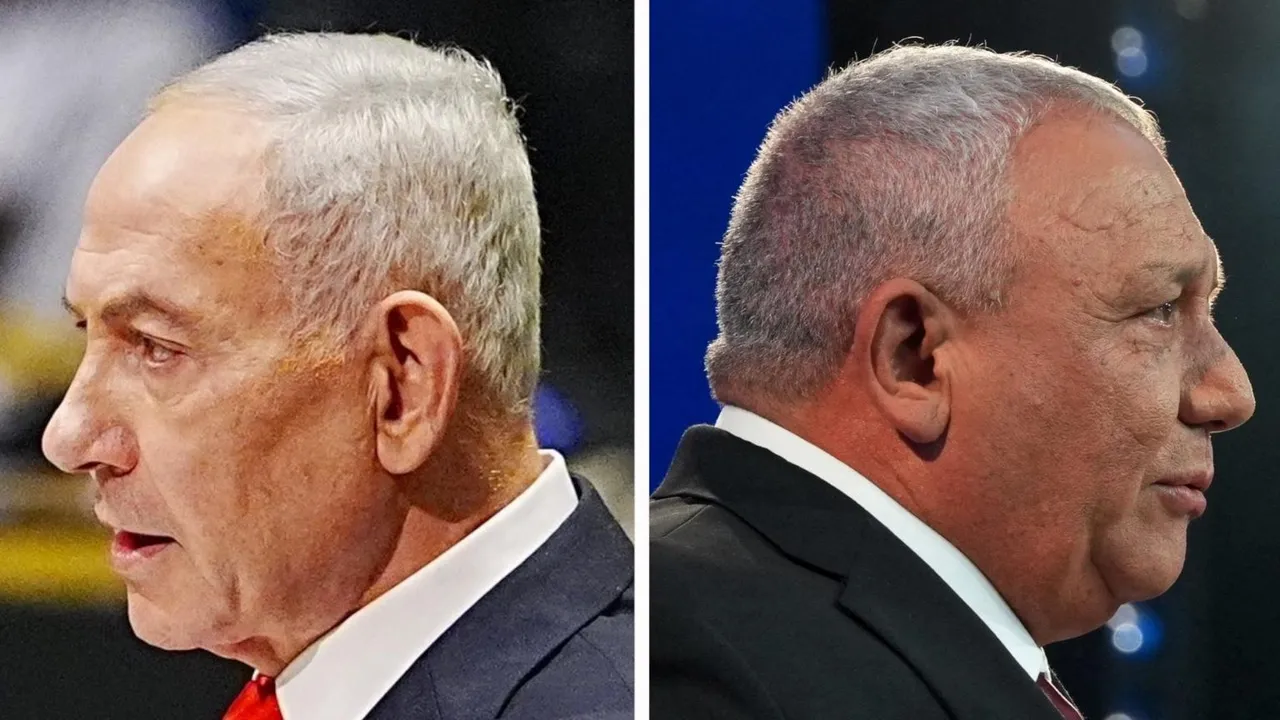
Israel's general election has produced a deadlocked result, with neither the bloc led by Prime Minister Benjamin Netanyahu nor the opposition camp securing enough seats to form a majority government.
With more than 90 percent of votes counted, Netanyahu and his allies have secured 53 seats in parliament, while his top rival Gadi Eisenkot and his allies have garnered 48. Parties require 61 seats for a majority in the Knesset.
Voter turnout was the highest in decades, with both Jewish and Arab citizens participating in record numbers. Many Israelis flew in from abroad specifically to cast their ballots.
Arab-led parties made historic gains, securing a record 19 seats in parliament. The result has placed them at the centre of potential coalition calculations.
For Eisenkot's bloc, one possible path to forming a government involves partnering with Arab-led parties. However, that option is considered politically risky. Arab political leaders in Israel have faced sustained demonisation, making such a partnership difficult to pursue openly.
Yair Golan, the left-wing Democrat leader, urged the opposition to pursue exactly that route. "We must no longer accept Netanyahu's racist division between Jewish votes and Arab votes," he said.
Netanyahu's bloc faces its own difficult choices. One scenario would see the prime minister abandon his religious allies and seek support from right-wing figures currently in the opposition. Whether those figures would be willing to join his government remains uncertain.
The election marked Netanyahu's worst personal result since 1999, yet he retains a potential path to remaining in power depending on how coalition negotiations unfold.
Israeli commentator Amit Segal, who is sympathetic to Netanyahu, noted that the high turnout among Arab Israeli voters "reminded Jews on both sides that, after years of division, they may have to learn to sit together after all."
President Isaac Herzog described the election as a "badge of honour" for Israeli society. "It is remarkable to see how deep the desire for democracy is in Israel," he said. He also acknowledged the risk of political deadlock leading to another round of elections, adding: "We must do everything we can, certainly after yesterday, to avoid another round of elections."
Repeat elections remain a possibility if no coalition can be formed. The opposition camp is considered unlikely to fare better in a second vote, which may increase pressure on Eisenkot to enter a unity government with Netanyahu.
That pressure could intensify further if Israel moves toward a military confrontation with Iran, according to reports.
The result has exposed deep divisions within Israeli society. Commentators warned the election revealed fundamental fault lines that no coalition arrangement will easily resolve.
Israel has never had a single-party government. Its proportional representation system has historically required coalition-building, but the current fragmentation makes that process unusually complex.