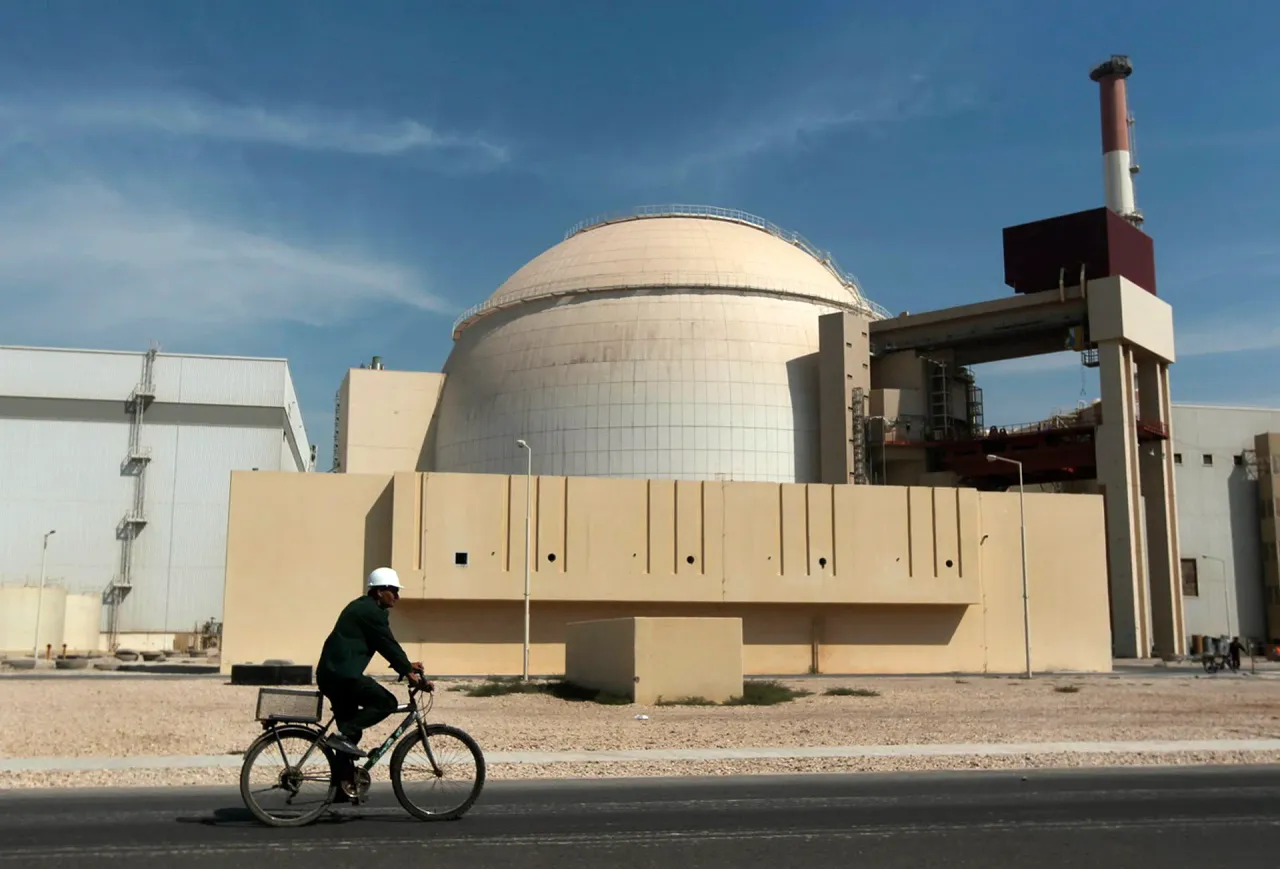
Several Iranian lawmakers have called for the country's withdrawal from the Nuclear Non-Proliferation Treaty (NPT), as US President Donald Trump says the war on Iran will be "wrapped up" soon.
The calls come as Qatari mediators returned to Tehran this week to facilitate peace talks with the United States.
Iranian legislator Mahmoud Nabavian was among those demanding withdrawal, writing on X: "Now that we have paid the heavy costs of war and sanctions, it is time for the Iranian nation to withdraw from the NPT treaty and change the nuclear doctrine."
In parliament, Ebrahim Rezaei, a member of the National Security and Foreign Policy Committee, said 10 proposals to withdraw from the treaty had been registered and that withdrawal was under consideration, according to reports from the Fars news agency.
Mohammad Javad Haj Ali Akbari, an Iranian politician and scholar, also called for a review of Iran's nuclear doctrine during a Friday sermon, describing it as a "national demand." He said the call was not a hasty or emotional reaction, but reflected Iranians' awareness of what he described as US failures to honour commitments, according to state broadcaster IRIB.
Iran's Tasnim news agency separately reported calls for NPT withdrawal earlier this week, also accusing the International Atomic Energy Agency (IAEA) of becoming politically aligned with the US and Israel.
Last month, an IAEA resolution expressed "grave concerns" about Iran's "continued noncompliance" with its obligations under the NPT. Iran condemned the resolution as baseless and politically motivated.
The IAEA has not had access to key Iranian nuclear facilities since a 12-day military campaign was launched against the country in June 2025, which included strikes on the Fordow, Natanz and Isfahan sites.
The war, which is now entering its ninth month, has severely disrupted global energy and financial markets following the closure of the Strait of Hormuz.
Before the conflict began on February 28, Washington and Tehran had been engaged in indirect nuclear negotiations mediated by Oman. Iran had stated on multiple occasions that it had no plans to develop nuclear weapons.
Trump has repeatedly insisted that Iran "cannot have a nuclear weapon," framing it as a non-negotiable condition for ending the conflict and securing a permanent deal.
Iran, however, has set its own conditions before agreeing to resume nuclear talks. These include an end to the US naval blockade of its ports in and around the Strait of Hormuz, the lifting of sanctions, and a guarantee against further attacks.
On Friday, Iranian Foreign Minister Abbas Araghchi responded sharply to German Chancellor Friedrich Merz, who had stated that the war on Iran had added more than 100 billion euros ($112 billion) to Europe's energy costs.
In a post on X, Araghchi noted that Merz had previously "hailed" the attacks on Iran, quoting him as saying: "This is the dirty work Israel is doing for all of us."
Araghchi then warned that any renewed strikes could carry a far greater cost. "100bn Euro is nothing compared to the Earth-shattering blow Iran's Powerful Armed Forces will deal against those who dare harm our people," he wrote. "Red lines are a thing of the past," he added.
The NPT is a landmark international treaty aimed at preventing the spread of nuclear weapons and promoting the peaceful use of nuclear energy. It was opened for signature on July 1, 1968, and entered into force on March 5, 1970.


