The Strait of Hormuz will remain closed until the United States accepts Tehran's seven-point plan for reopening the waterway, Iran's top negotiator and parliament speaker has said.
Mohammad Bagher Ghalibaf, quoted by Iranian state-linked outlet Nournews, said on Sunday that Washington had made "some proposals through a mediator" days after the US responded to Iran's diplomatic proposal.
Ghalibaf said the US should know "that the era of wasting time and dictating unilateral demands is over", adding that Iran's position remains "clear and definite".
He emphasised that "the Strait of Hormuz will not open until our seven conditions based on the Islamabad memorandum are met", and that Iran is "present on the military battlefield and will confront them with new surprises".
Ghalibaf added that Iran was neither "excited" nor "intimidated" by the latest US proposals and would "both fight and negotiate".
Iranian Foreign Minister Abbas Araghchi also spoke on Sunday, telling foreign ambassadors and diplomats in Tehran that Iran is "serious about finding diplomatic solutions just as we are serious about defending ourselves".
Araghchi said Iran had clearly explained its conditions for reopening the strait and expressed hope that Washington would choose diplomacy and accept its proposal. He warned, however, that if the US takes military action again, Iran is "more prepared than before and will take whatever action is necessary to defend ourselves".
Iranian Foreign Ministry spokesman Esmaeil Baghaei said Tehran used the United Nations General Assembly platform last month to present world leaders with its position on ending the conflict. He noted that while the US has continued to focus on nuclear talks, reopening the strait remains Iran's primary goal.
"We are at this stage mainly focusing on the strait, and our principal concern is to reach a solution and to have peace and stability restored within this waterway," Baghaei said.
US President Donald Trump rejected an Iranian proposal to reopen the strait last week, hours after Tehran put forward a roadmap for doing so. Last month, Trump threatened to "annihilate" Iran in a speech at the UN General Assembly.
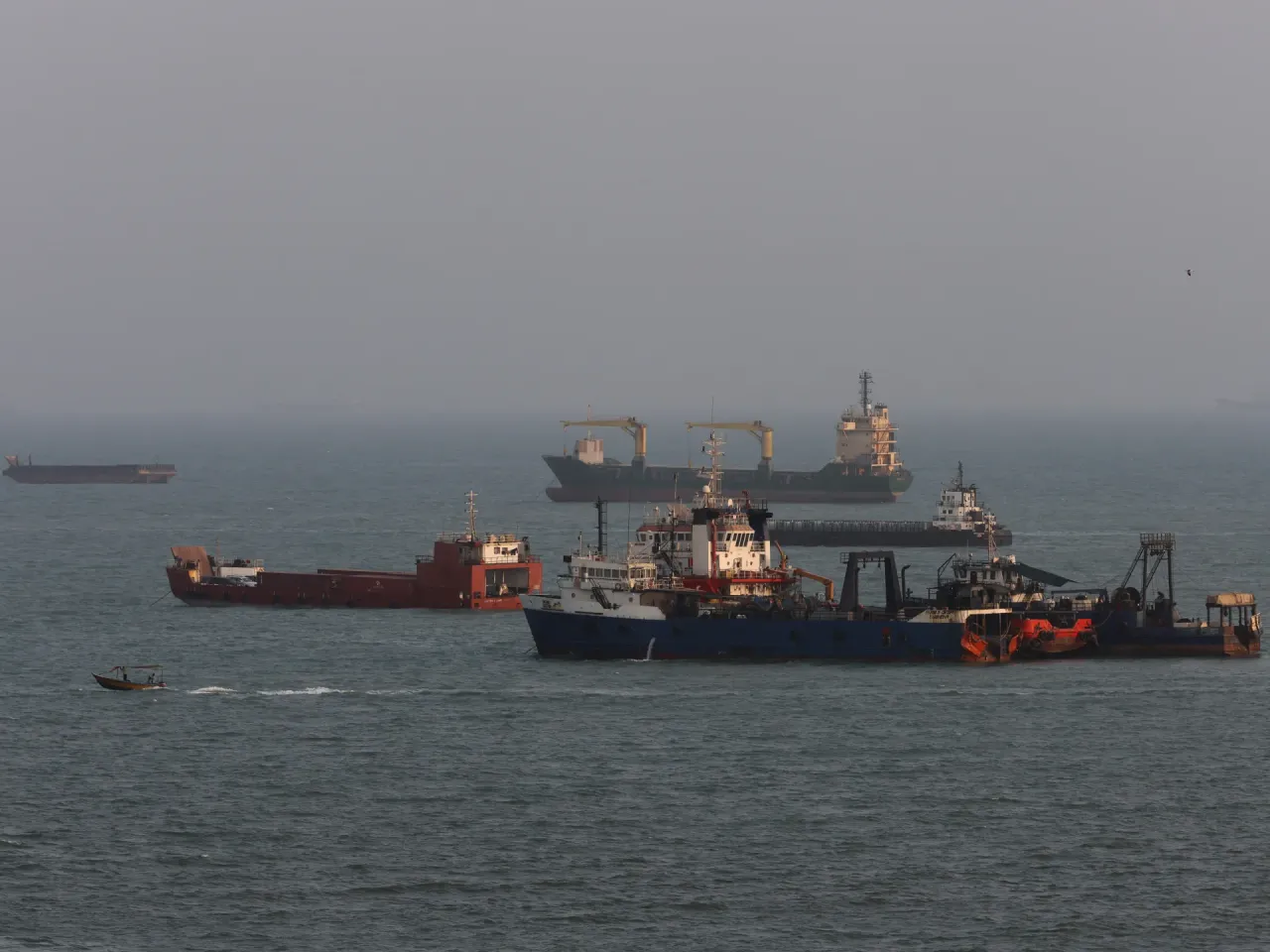
The Strait of Hormuz has been largely blocked and disrupted for more than seven months, since the US and Israel launched strikes on Iran on February 28, triggering one of the worst maritime shipping disruptions in decades. During peacetime, roughly one-fifth of global oil and natural gas passes through the waterway.