Iran said Saturday that it was close to reaching an agreement with Oman on a new shipping route through the Strait of Hormuz, but stressed that the deal alone would not be enough to reopen the waterway.
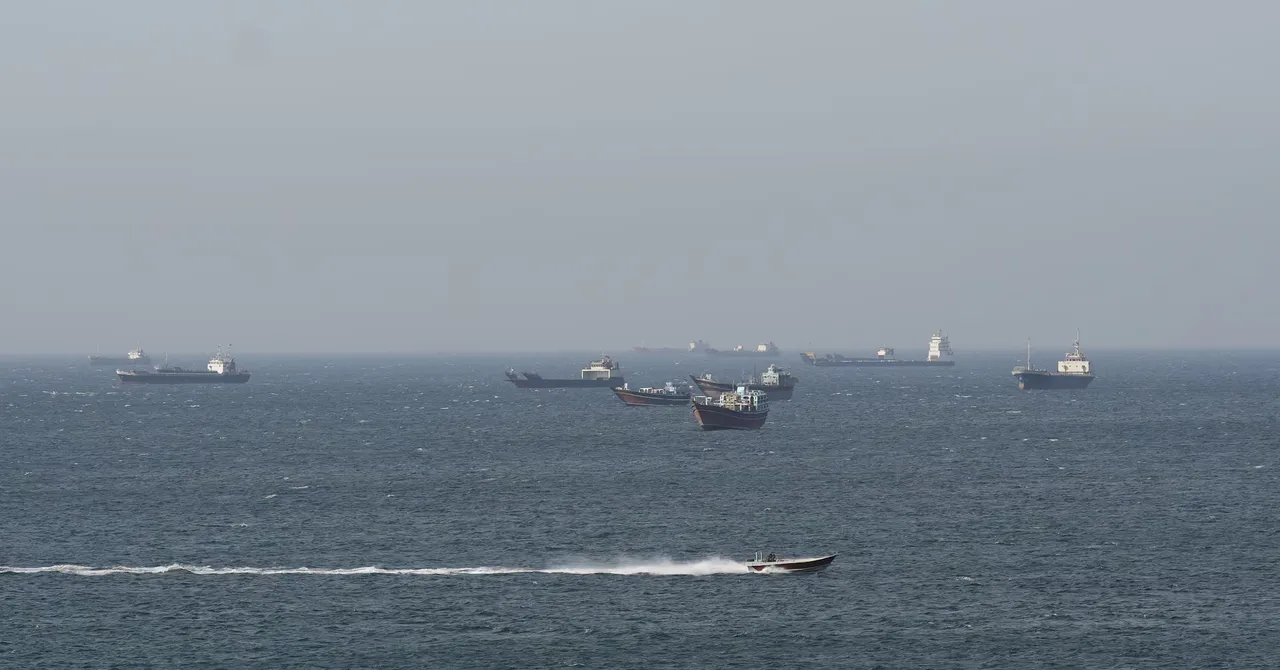
The strait, which separates Iran and Oman and carried about a fifth of the world's oil and gas shipments before the war, has become a key issue in efforts to end the conflict between Iran, the United States and Israel.
Iranian Foreign Minister Abbas Araqchi said Tehran and Muscat were "very close" to an agreement on a new shipping route. However, he said reopening the strait would depend on other conditions, including compensation from the United States.
Mohammad Baqer Zolqadr, secretary of Iran's top national security body, listed additional demands, including an end to US threats and aggression against Iran and its allies in Lebanon, Palestine, Yemen and Iraq, as well as the lifting of sanctions and the release of Iranian assets.
Oman said negotiations with Iran over arrangements for shipping through the strait were "positive and constructive" and called for an end to actions that could undermine the talks.
Araqchi said the previous traffic separation scheme through the strait was no longer acceptable to Tehran. Iran is discussing a temporary route with Oman while technical and legal issues surrounding a permanent route are resolved.
Iranian President Masoud Pezeshkian said he believed the current moment was the best time to reach an agreement.
"There is cohesion, strength, and unity in the country, and as far as I know, Iran is considered victorious and powerful in this war," Iranian news agencies quoted him as saying.
The developments came as shipping through the strait remained under pressure. The United Arab Emirates said Iran had attacked a carrier affiliated with its state oil company with a missile while it was transiting the waterway. No injuries were reported.
The UK maritime trade monitor UKMTO said a vessel caught fire after being hit by an unknown projectile, but the fire was extinguished and there was no reported environmental impact. Iran did not immediately comment.
The United States has repeatedly signaled in recent weeks that an agreement to reopen the strait could be close, although Iran has previously denied that negotiations were taking place.
A US official said Friday that Washington expected an agreement between Iran and Oman soon that would allow normal oil traffic to resume. The official said the United States would lift its blockade of Iranian ports once commercial shipping could resume without impediments, subject to Iran implementing its commitments.
US Central Command said Saturday that more than 30 ships had been allowed through for humanitarian aid since the current blockade began. It said US forces had turned away 53 ships, disabled two vessels and boarded two others.
Food and other essential goods have become increasingly expensive in Iran since the conflict began. Pezeshkian blamed the United States for difficulties importing basic goods.
Iran's Revolutionary Guards, which have targeted ships in the strait, said reopening the waterway depended on Washington accepting Iran's conditions and was separate from the negotiations with Oman.
"Whenever the United States accepts Iran’s conditions, the Strait of Hormuz will certainly be reopened," Guards spokesperson Hossein Mohebbi said, according to Iran's Tasnim news agency.
A proposed Iran-Oman agreement would give Tehran control over ships entering the Gulf through the strait, according to an Iranian source and two regional officials cited by Reuters earlier this week.
US officials have repeatedly said they would not agree to Iran controlling access to the major global energy trade route.
Iran has used the conflict to justify charging oil tankers a toll and has fired on ships attempting to cross the strait without its permission. The disruption has affected global energy shipments, contributing to higher energy prices and inflation.