Saudi-backed pro-government forces are battling Houthi fighters in the mountains south-west of Taiz, Yemen's third-largest city and cultural capital, as the country's civil war enters a new and intensified phase.
A correspondent travelling with government forces from Taiz reached the edge of their controlled territory, where the front line dissolves into no man's land. During the journey, a drone was spotted overhead, prompting soldiers and journalists to take cover under bushes before retreating in their vehicle. Within ten minutes, a series of loud strikes followed.
The fighting escalated after Houthi forces seized the strategic Red Sea port of Mokha, 85 kilometres west of Taiz, on 10 September, following the collapse of a ceasefire that had largely held for four years. The group subsequently took control of territory overlooking the Bab al-Mandab Strait, a crucial shipping corridor linking Europe and Asia. The development contributed to a rise in oil prices amid fears of further disruption to regional supplies.
Taiz sits at a vital intersection between Houthi-controlled areas in northern Yemen and government-held territory in the south. Government forces hold the city centre, while Houthi positions lie to its north and east. The fiercest recent fighting has been on the western approaches, where both sides are contesting high ground overlooking the city's route south. If the Houthis secure these positions, government forces could find it significantly harder to retake Mokha.
Homes are scattered across the mountain slopes surrounding the front line, but many stand abandoned after families fled the fighting. The area is largely silent, broken only by the sound of livestock and incoming and outgoing fire.
Ali, a resident living approximately one kilometre from the front line, sat outside his home with a herd of goats as mortars had already struck his property. He said he had sent his children to a displacement camp because they could no longer cope with the shelling and gunfire. He remained with his wife and sisters to care for their animals.
"I am terrified," he said, "but I have no choice, we will all go hungry without our animals and die anyway."
Ali gave only his first name, fearful of repercussions if the Houthis take over the area in the coming days.
Contacts from the Houthi side indicated the group is consolidating troops and preparing for a major offensive. Government forces, when asked, said they were aware of this and were also preparing.
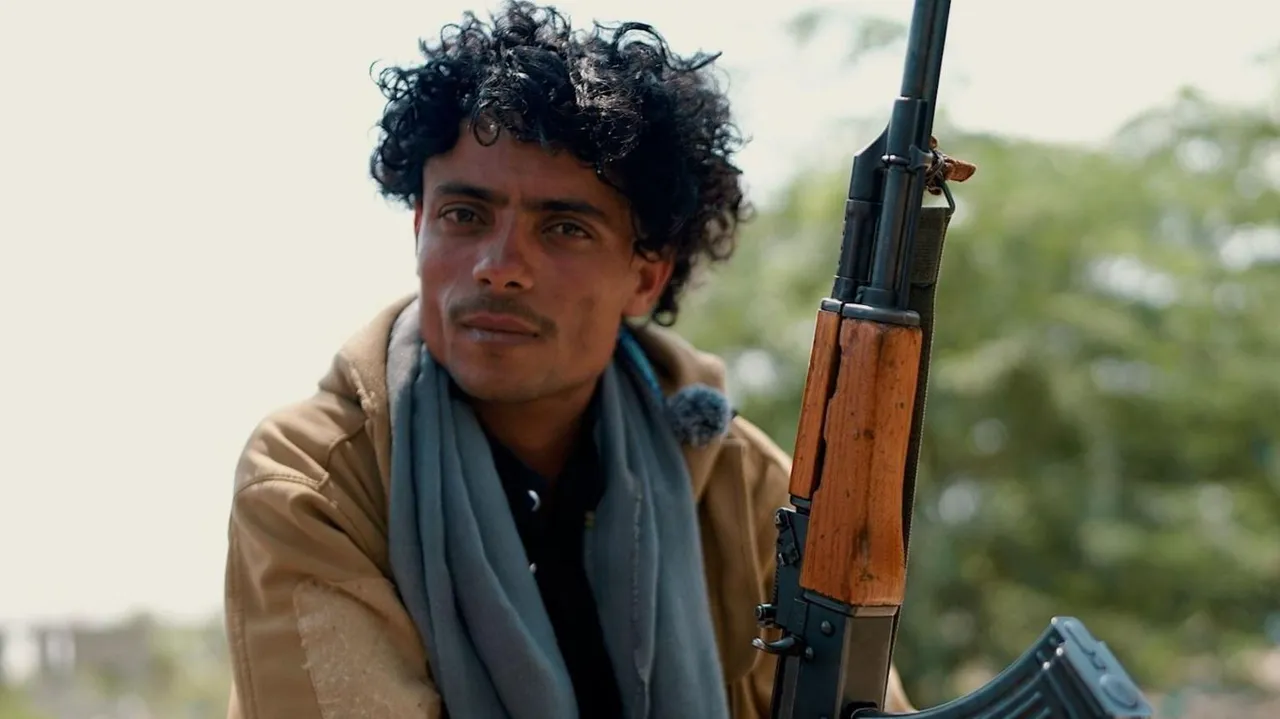
At the closest checkpoint to the front line, fighters who had just returned from positions high on the mountain — only a few hundred metres from advancing Houthi forces — described a grim situation. One fighter said the bodies of 18 government soldiers lay in an area his unit could fire across but not reach.
"We shoot over them, but we can't pull them out," he said.
The correspondent's team travelled to Taiz from Aden in the south, where Yemen's internationally recognised Presidential Leadership Council and government are based. Approximately 30 checkpoints along the route marked stretches of road controlled by different commanders, reflecting the fractured composition of the forces fighting on the government side.
As the team neared the city, at least five ambulances passed within half an hour, all heading toward Taiz's main hospital.
The city itself, home to close to one million people, presented a contrasting scene after dark. Shops were lit, restaurants were full, and children played in the streets. But the sounds of shelling and gunfire from the surrounding mountains broke through at regular intervals.