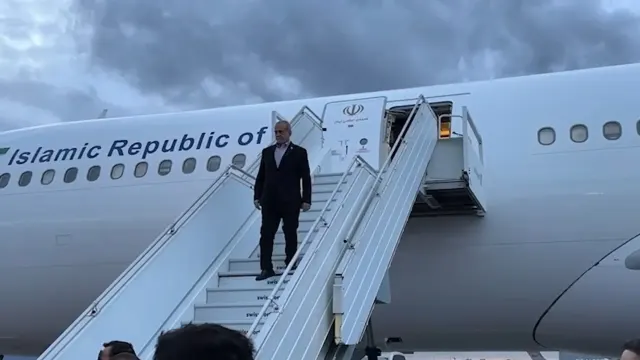
Planned consultations between Iran and Gulf states over the Strait of Hormuz have been postponed, Oman announced on September 14, 2026.
An Iranian foreign ministry official said regional countries had requested the delay of the scheduled meeting, which was to have taken place in Oman. Tehran and Muscat agreed jointly to the postponement.
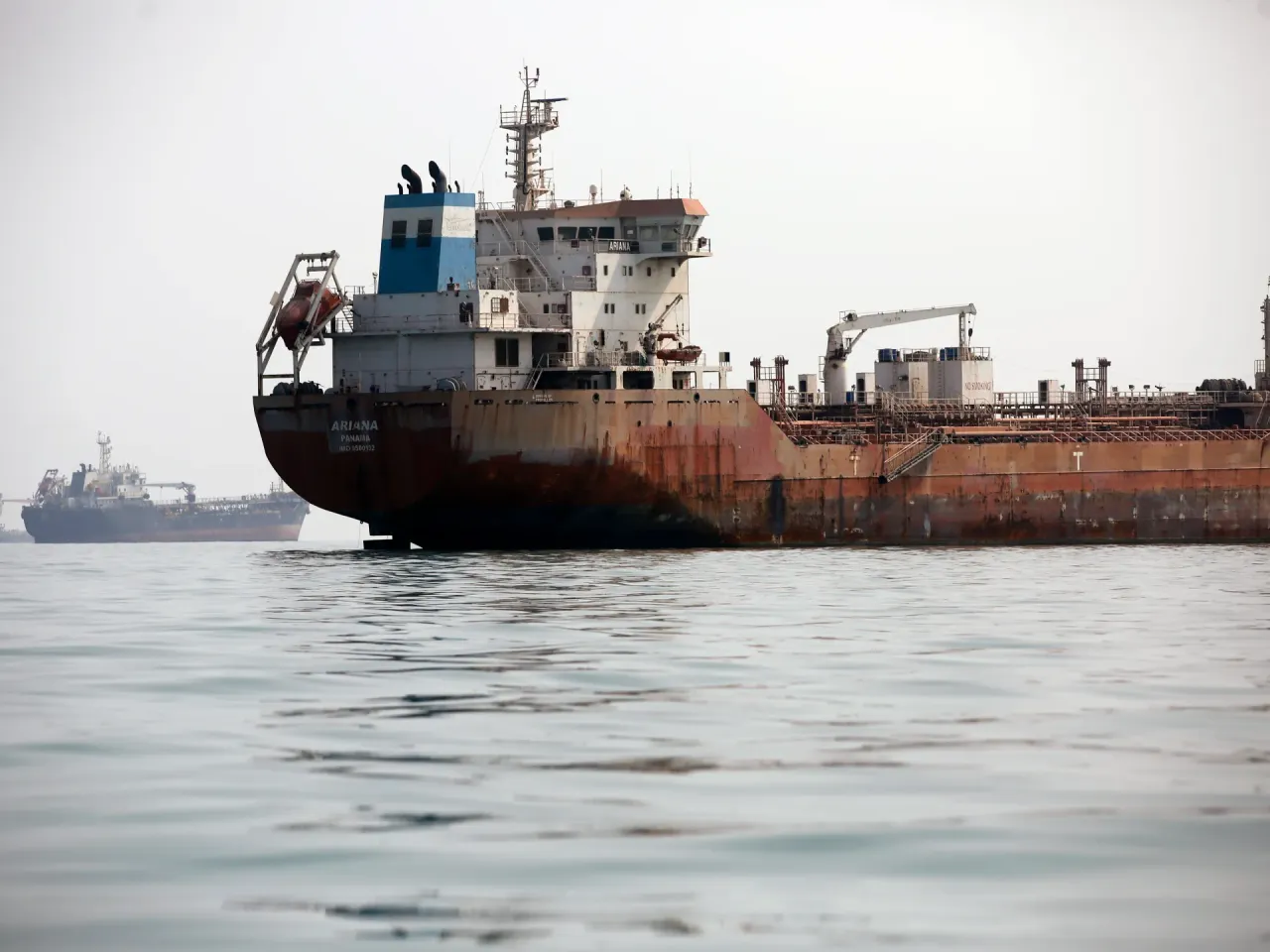
The talks had been expected to take place on Monday, with officials from Gulf Cooperation Council states and Iran gathering in an effort to make progress toward reopening the strait. The flow of oil through the key waterway has remained severely restricted, placing continued pressure on the global economy.
The United States was not expected to attend the meeting. Dania Thafer, executive director of the Washington-based Gulf International Forum, said the absence should be understood as the region attempting to find a solution workable for both Washington and Tehran, with the Gulf states acting as a third party.
"I think we should interpret this as the region trying to find a solution that can be workable for both parties, the U.S. and Iran, and of course the Gulf States as the third party," Thafer said. "However, the six Gulf Cooperation Council countries -- which Bahrain will be absent from this meeting, so five of them -- certainly will not go completely against U.S. interests."
Thafer noted that the framework being discussed appeared to align with Article 5 of a memorandum of understanding reached between the United States and Iran earlier this year, which subsequently collapsed. That article outlined how Oman and Iran would divide the passageways of the strait, with buy-in from GCC states and Iraq.
"Depending how Washington interprets whatever agreement comes out of this, this could be a face-saving way for Washington to put an end to this conflict," she said.
Iran has described the gathering as a consultation rather than a formal negotiation. According to Thafer, Iran planned to present a proposal -- reportedly developed jointly with Oman -- to four of the Gulf states, with any outcome explicitly tied to Washington's conduct.
"They made it explicitly clear, whatever the outcome is is completely dependent on Washington's behavior. So still, Washington is having an indirect vote at the table," Thafer said.
Bahrain was set to be absent from the meeting. Qatar, Kuwait, and Bahrain were identified as the countries most acutely affected by the closure of the strait, described by Thafer as an existential economic issue for those nations locked within its reach.
The stakes for Gulf states extend beyond the strait itself. Thafer noted that Saudi Arabia's pipeline -- used as an alternative route to bypass the Strait of Hormuz and move oil through the Red Sea -- had recently been attacked and taken offline, removing a key workaround for regional hydrocarbon exports.
On Iran's objectives, Thafer said Tehran views control over the strait as its primary source of leverage against the United States and the broader international community, and as a form of deterrence.
"Iran sees the Strait of Hormuz as its key leverage on the U.S. and on the international community and also its form of deterrence in this war. They found that being able to disrupt the Strait of Hormuz in some ways is more dangerous than having a nuclear weapon," she said.
She added that Iran's goals include establishing a lasting deterrent against future military strikes and asserting broader regional dominance.