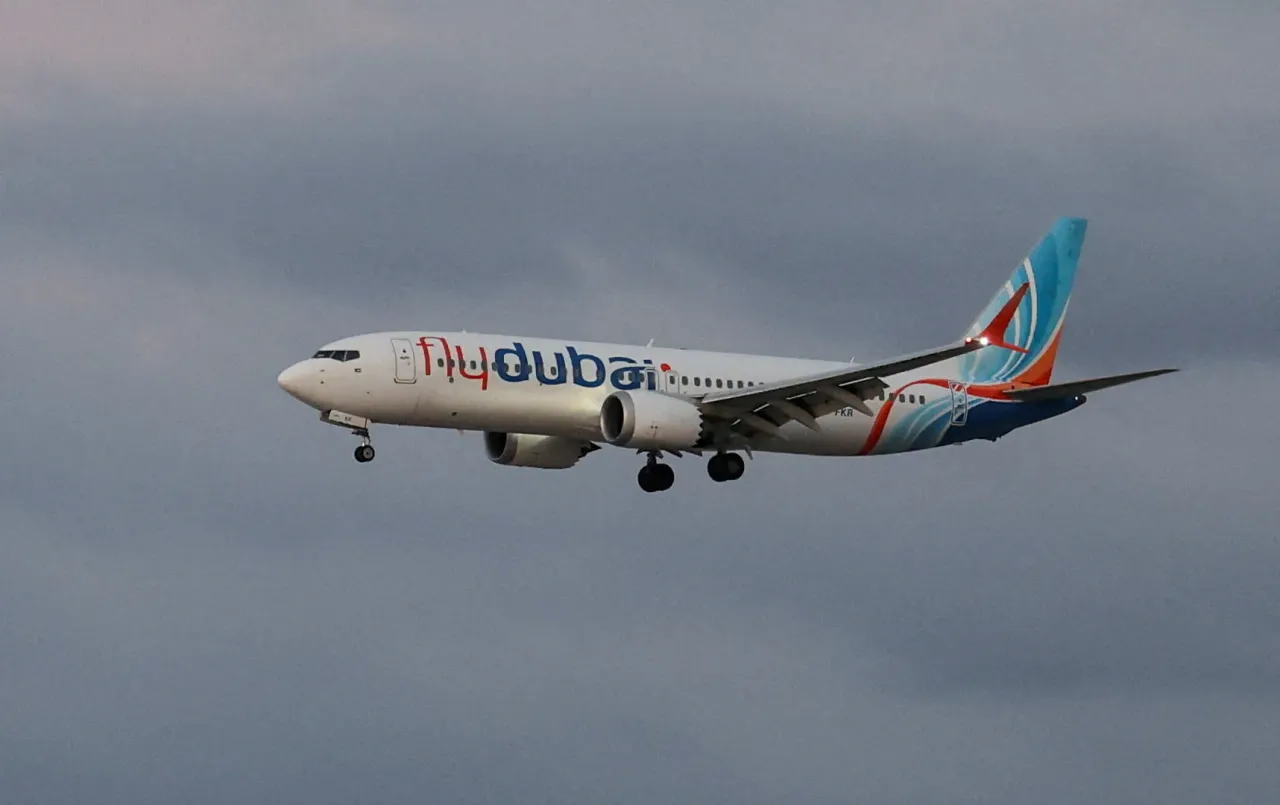
Authorities in the United Arab Emirates say the co-pilot who attempted to seize control of a Flydubai aircraft on September 30 was on a suicide mission to crash the plane into Ben Gurion Airport in Tel Aviv, Israel.
Emirati public prosecutors believe the plan "drew inspiration from the 9/11 attack," Attorney General Hamad Saif al-Shamsi said in a statement carried by state news agency WAM on Friday.
Al-Shamsi said the suspect had used two previous flights to Tel Aviv to "familiarise himself with the flight route and the airport." The attorney general added that the suspect "admitted that he had acted alone, without the involvement of others," and that he "provided a detailed confession outlining his motives and the stages of planning and execution" in the presence of his lawyer.
The suspect, a 29-year-old whose identity has not been officially confirmed by UAE authorities, had previously worked for several airlines in different countries, including Oman Air and Royal Air Maroc, before joining Flydubai in January. People with direct knowledge of the matter have identified him as Hamam al-Hammami, an Omani national, according to sources.
Investigators examined Flydubai's recruiting procedures and found the suspect had met all professional and security requirements, including holding a pilot's licence and providing a certificate of good conduct. "However, none of the procedures revealed any indications of his extremist views or his intention to carry out a terrorist plot," the statement said.
Al-Shamsi said the suspect had prepared psychologically and physically for the attack by viewing material promoting "terrorism" and taking boxing lessons. The findings indicated that "signs of his drift towards extremism and terrorism first emerged in 2017, while he was studying in Australia."
The attorney general's statement did not implicate Flydubai in any wrongdoing.
Flight FZ1073 departed Dubai for Tel Aviv at 7:05am local time on September 30, climbing to 34,000 feet. A little more than two hours into the flight, the aircraft suddenly began a steep descent, plunging more than 17,000 feet in approximately two minutes before climbing and descending again.
A fight had broken out in the cockpit after the co-pilot stabbed the Indian captain, Smit Machchhar. Machchhar later described finding himself seriously wounded on the cockpit floor as the aircraft descended.
Passengers and crew members entered the cockpit and overpowered the co-pilot. The aircraft levelled out at approximately 15,000 feet. Its transponder was subsequently switched to code 7500, signalling unlawful interference.
Two reserve pilots who were on board took control of the aircraft and landed it in Tabuk, northwestern Saudi Arabia. The plane landed safely at 9:45am local time. Saudi authorities said both pilots were taken to hospital and were later transferred to Abu Dhabi after being medically cleared. The flight had been carrying 174 people on board.