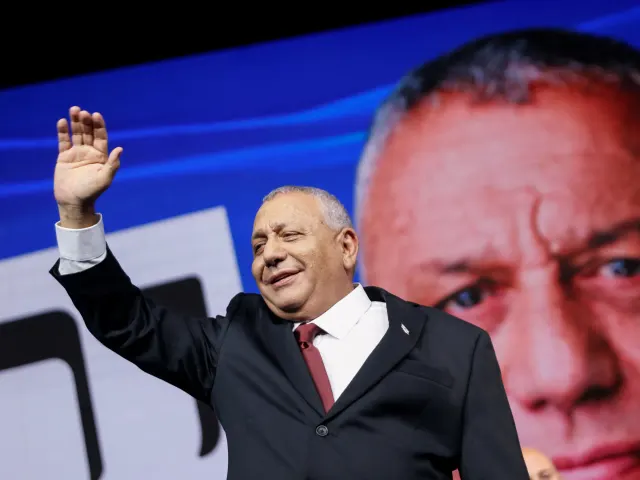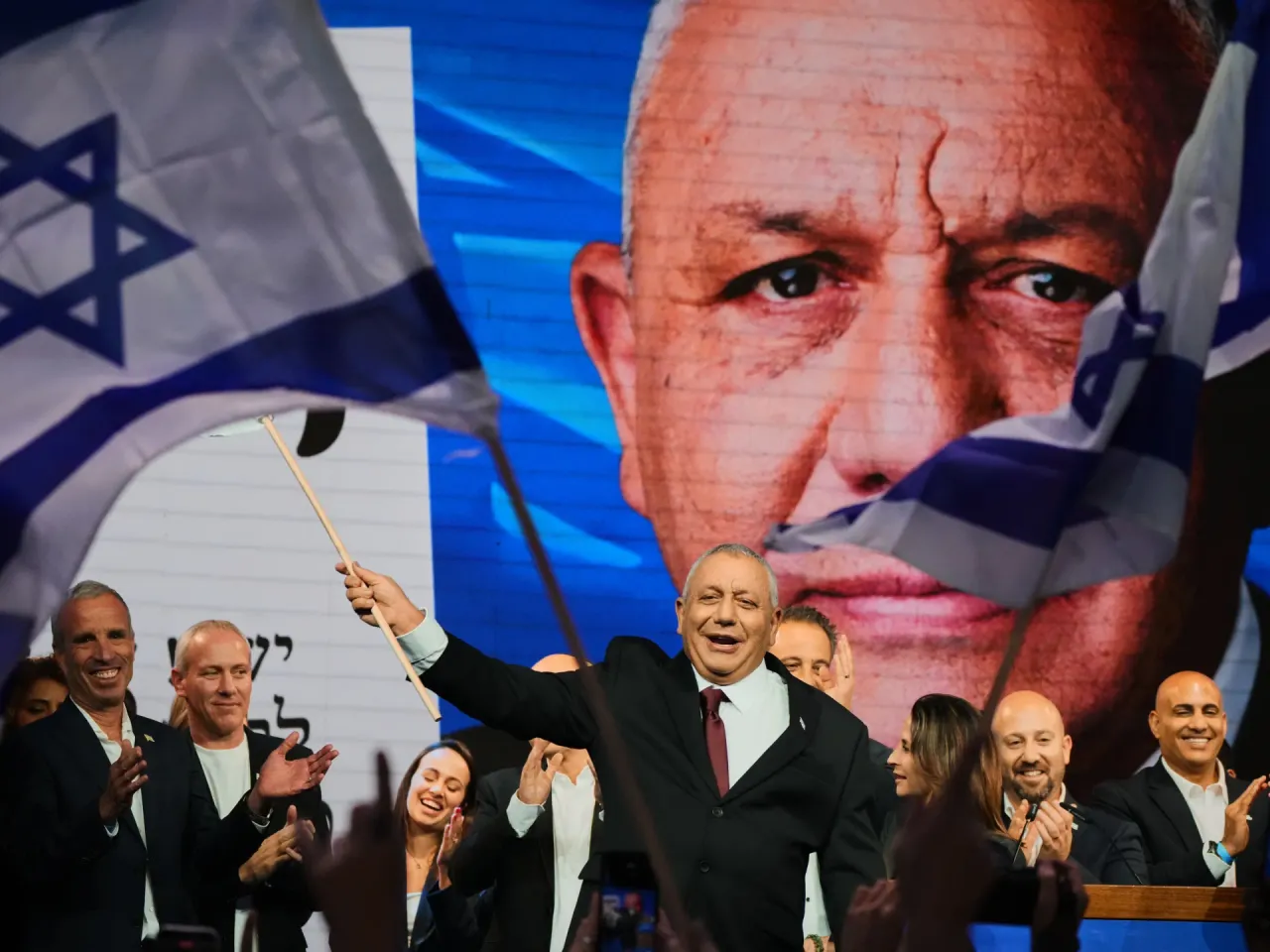
Arab-led parties in Israel are projected to win a record number of seats in the Knesset, according to exit polls from Tuesday's vote, yet analysts say structural barriers prevent them from acting as true kingmakers in the formation of the next government.
The latest projections show the Joint List and Ra'am could hold a combined 17 seats in the 120-member parliament. No clear winner has emerged from partial results, which give Prime Minister Benjamin Netanyahu's bloc 54 seats and the opposition alliance led by Gadi Eisenkot 49.
"Probably the most important phenomenon of this election is the rise and the revival of the Arab vote," said Daniel Shek, a former Israeli ambassador. "The statement is clear: You cannot disregard such a large portion of the electorate in the calculations for Israeli politics."
Despite their electoral gains, Arab parties face what observers describe as a political veto rooted in the refusal of most Israeli parties to govern alongside Arab-led lists.
"This veto is rooted in a racist structure that regards the Arab citizen as illegitimate and as an unwanted partner," said Honaida Ghanam, director general of the Palestinian Forum for Israeli Studies in Ramallah, in the occupied West Bank.
Both Netanyahu and Eisenkot have publicly rejected the idea of partnering with Arab parties, citing a lack of shared values.
The arithmetic, however, tells a different story. If Eisenkot's bloc were to ally with Arab parties, the combined total could reach 61 seats — the threshold needed for a parliamentary majority. According to partial results, such a partnership could yield as many as 66 seats.
Palestinian political analyst Ahmed Najar said Eisenkot's reluctance is ideological rather than practical. "Eisenkot has imposed loyalty tests on Arab parties and ruled out relying on them even as the electoral arithmetic makes their support indispensable," Najar said.
Najar added that a partnership with Arab parties may be the only realistic route for Eisenkot to remove Netanyahu from power.
Omar Shaban, director of Palthink for Strategic Studies, noted that Ra'am leader Mansour Abbas has already signalled a willingness to join an Eisenkot-led government, on the condition that internal security matters be handled by his party. Abbas has also appointed Jewish lawmaker Yoav Segalovitz to the number two position on Ra'am's electoral slate, a move Shaban described as a gesture toward cross-community cooperation.
Such a collaboration, Shaban said, could help foster better relations between Palestinian citizens and Jewish Israelis.
On Wednesday, Joint List leader Yousef Jabareen said his party is prepared to take responsibility for bringing down Netanyahu's far-right coalition. "The government has made the lives of every Arab citizen miserable," Jabareen was quoted as saying. His movement "will know how to leverage" its political strength to advance its values, he added.
Ahmad Tibi, also a Joint List leader, said on Wednesday that the bloc was extending its hand to the opposition alliance to oust Netanyahu, according to reports from Israeli media. It remained unclear, however, whether the bloc would formally join a governing coalition.
Shaban cautioned that Eisenkot would face resistance from more hardline elements within Israeli society who oppose any government dependent on Arab votes.
Najar added that Eisenkot would also need to bring along prospective coalition partners, including Naftali Bennett of the Together alliance and Avigdor Liberman, who leads the Yisrael Beytenu party.