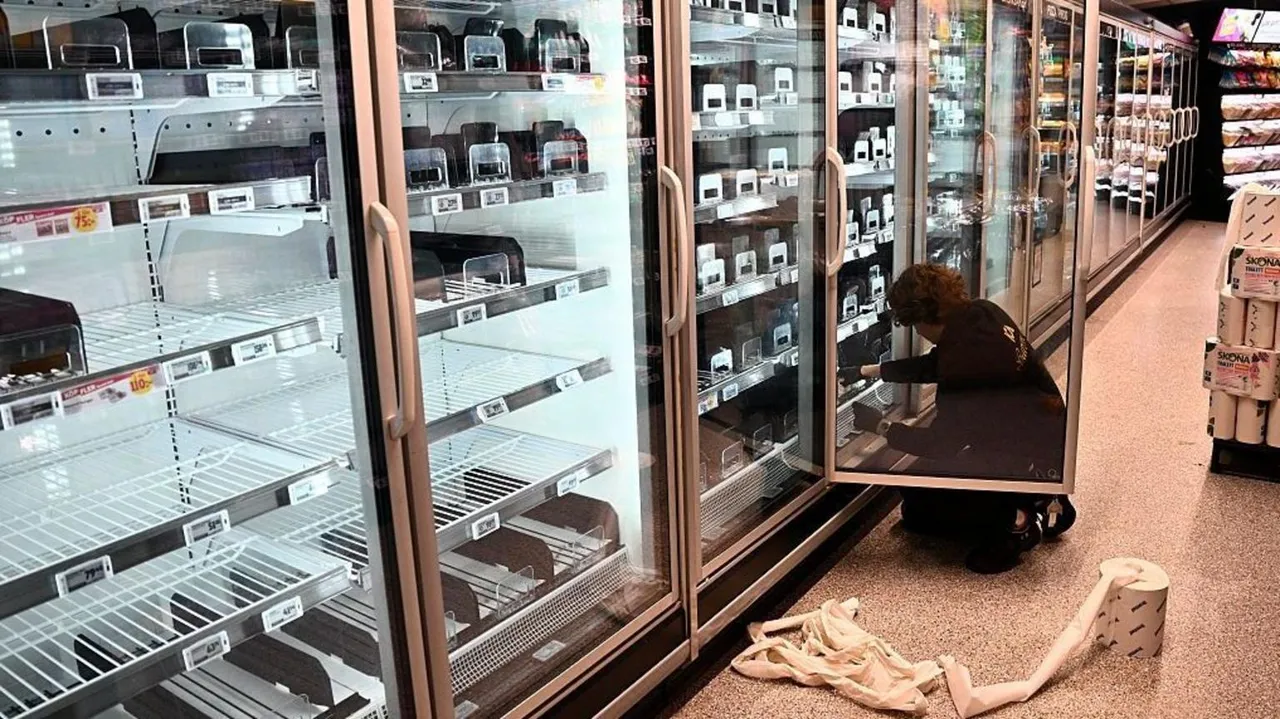
Dozens of supermarkets across Belgium, Luxembourg, Sweden and Ireland have been struck by a suspected cyber-attack that caused refrigerators and freezers to malfunction overnight, forcing stores to discard large quantities of food.
Around 40 Delhaize supermarkets in Belgium and Luxembourg were affected, along with several ICA and Coop stores in Sweden and 13 SuperValu shops in Ireland. Belgium's Le Soir newspaper reported that additional outlets were hit, including five Spar stores, multiple Shop & Go convenience stores attached to Q8 service stations, and a number of smaller Proxy Delhaize minimarkets. Carrefour said the incident had affected 15 of its Belgian stores, adding that measures had been taken immediately to keep all shops open.
Millions of euros worth of food had to be discarded. A Delhaize branch in Hoeilaart, in the Flemish Brabant province, told Belgian media it had lost approximately 100,000 euros worth of produce. The store manager said that figure did not account for further losses resulting from the closure of the shop.
One ICA store in Sjöbo, southern Sweden, wrote on social media: "Our refrigerators and freezers have been hacked overnight and they have set the temperature to 50 degrees." The store was temporarily closed but has since reopened. An employee at a branch in Odengatan, Stockholm, was photographed discarding bags of spoiled food.
Seven of Coop's 800 stores in Sweden were affected, though the company said the "situation is currently contained and under control." A spokesperson for ICA confirmed the incident had affected a "small number of ICA stores operating outside ICA's central network," adding: "ICA is currently supporting the affected stores in managing the situation."
Dutch retailer Ahold Delhaize, which last month reported a separate cybersecurity incident to police in the Netherlands, said an IT incident had hit fridges and freezers in dozens of its supermarkets. A company spokesperson, Sarah De Meester, said temperatures in the cooling systems had increased and that the incident was under investigation.
Refrigeration technicians were deployed through the night. "We started mobilising technicians at 1am," said Stephan Moelans, chief executive of Sabcobel, a company specialising in refrigeration system installations. "We spent all night and morning disconnecting the affected installations from the grid."
Both Belgium and Sweden's national cybersecurity agencies said they were monitoring the incident. It is not yet clear who is responsible for the attack.
The incident follows a similar large-scale attack in France last October, in which hackers seized control of cooling units at up to 700 supermarkets. French police said the attack led to heavy losses of chilled and frozen food and exposed the vulnerability of internet-connected refrigeration systems.
In the French attack, hackers remotely overridden settings on thousands of freezers, fridges and chiller cabinets, pushing temperatures from as low as -27C to well over 50C. Chains affected included Intermarché, Coopérative U, Carrefour, Leclerc and Monoprix. Stores were forced to discard large quantities of fresh meat, dairy and frozen products, with individual losses ranging from tens of thousands of euros to more than 130,000 euros. Two stores in Alsace reported a combined loss of 270,000 euros.
Most supermarket cold aisles are connected to the internet to allow remote maintenance and to generate alerts for system failures. In the French attack, hackers targeted controllers largely supplied by Danish company Danfoss, disabling alarm systems before adjusting thermostats or extending defrost programmes by several hours. Danfoss said it had identified security flaws the previous year and had "long recommended" that customers install updates. France's national cybersecurity agency subsequently confirmed that controllers from two other companies were also targeted.
The Paris prosecutor's office has opened a formal investigation into the French attack, citing damage that included "food losses and fires." The French prime minister instructed the national cybersecurity agency to investigate the matter.


