A Russian strike hit a second major bridge in Kyiv on Saturday morning, Mayor Vitaliy Klitschko announced, as Moscow intensifies attacks on critical infrastructure in Ukraine's capital.
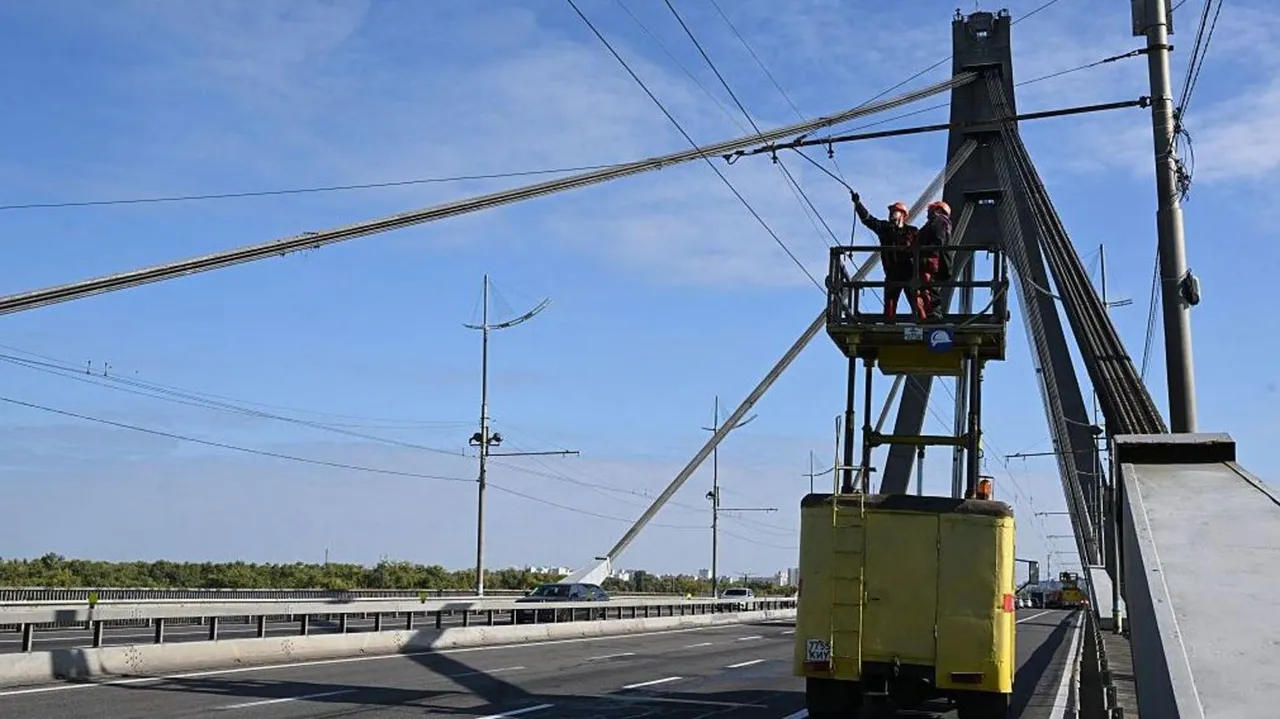
The attack damaged the road surface and overhead trolleybus wires on the Pivnichnyi (Northern) Bridge, injuring two people and causing traffic jams. Klitschko said emergency services had been dispatched and that traffic from the left to the right bank of the Dnipro was blocked.
The strike follows multiple Russian drone attacks earlier in the week on the Pivdennyi (Southern) Bridge, prompting Klitschko to warn that "the enemy is tearing Kyiv apart."
The two bridges span the Dnipro River, linking the western and eastern parts of the capital. Neither had been struck before Thursday. The attacks have severed road, rail and trolleybus links across the wide river, with ongoing drone threats forcing restrictions on other routes and bringing traffic jams to the city for a second consecutive day.
Kyiv has a population of approximately three million people, many of whom rely on the metro to cross the city daily. Officials and analysts fear the new Russian tactic could result in sustained strikes that effectively cut the capital in two.
The attacks on the Southern Bridge prompted Kyiv's defence council to convene a crisis meeting on Friday. Klitschko warned afterwards that the city was in a "very dramatic situation," with Moscow targeting its "critical infrastructure, logistics, housing" and other key facilities.
Experts say Russian drones are unlikely to bring the bridges down entirely, but that repeated strikes will force closures and risk weakening their structures, potentially rendering them unusable. More powerful weapons could collapse the bridges, some of which are reported to be in poor condition after years of carrying heavier traffic than they were designed for.
Ukrainian lawmakers have discussed the state of Kyiv's bridges in a recent session, setting out contingency plans to use ferries or temporary pontoon bridges to keep the city connected should any bridge be destroyed.
After the Southern Bridge was attacked, passengers described how dust from a blast wave entered their carriage through the ventilation system.
Russia said its drones had targeted the two bridges because they were being used to transfer Ukrainian troops and military cargo. Moscow again urged foreign citizens, including diplomats, to leave Kyiv.
Russian President Vladimir Putin has said Russia is acting in response to Ukraine's strikes on Russian energy facilities, despite the fact that Moscow launched such attacks first. On Thursday, speaking at the Valdai foreign policy forum, Putin insisted the strikes on Ukrainian economic targets were a direct response to Ukraine's attacks on Russia's oil refineries and its ships in the Black Sea.
"Now from every direction we're receiving calls 'let's stop'. But they started it," Putin said.
Putin acknowledged that Kyiv had "got some results" from its refinery strikes and that Russia had lost approximately 1% of its GDP. Ukraine maintains it began targeting Russian oil infrastructure because it helps finance the Kremlin's war effort.
Ukrainian President Volodymyr Zelensky said Putin had decided there were "no rules now" when attacking Ukraine. In an interview with the Financial Times, he said: "The Russians have failed to occupy us. So now they are carrying out massive attacks and mass killings."
He added: "They want to destroy our bridges... our data centres, the internet, mobile networks, hospitals, kindergartens, schools, universities - everything. They want people to flee their cities."
Russia has targeted Ukrainian energy infrastructure with increasing intensity every winter since Putin launched a full-scale invasion in February 2022.