The Metropolitan Police has called on the organisers of a pro-Palestinian student march, planned for the third anniversary of the 7 October attacks on Israel, to move the event to a different date.
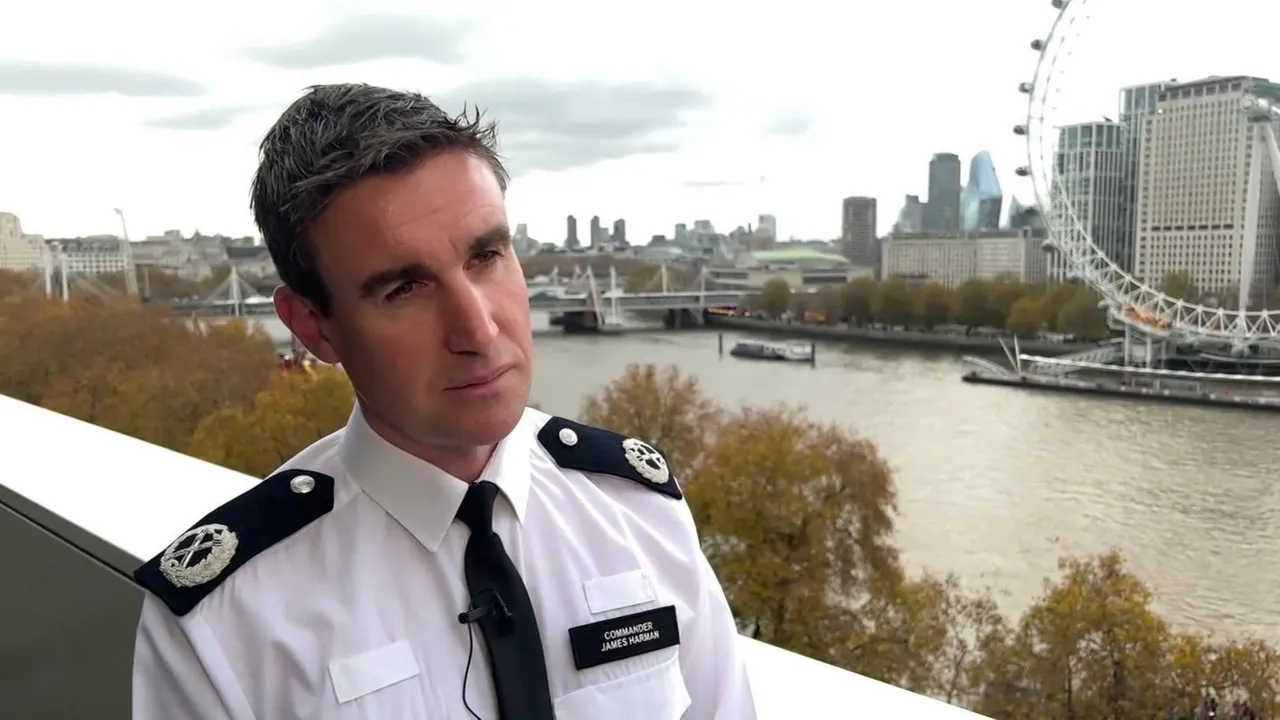
Deputy Assistant Commissioner James Harman said the force had been unable to identify the organisers behind the group, which calls itself the University of London Coalition.
Harman said around 300 students were expected to march through central London on Wednesday, starting from King's College London on the Strand and finishing at University College London in Holborn. He said participants had demanded an end to what they described as a "genocide in Gaza."
"Serious concerns have been expressed about the impact of this march on students and staff, particularly those who are Jewish, the route, and the day it is being held," Harman said.
He urged anyone intending to join the protest to "reflect on the impact and distress it will cause on this very significant day, and exercise your right to protest on a different date."
Harman said the march did not meet the strict legal threshold at which police could request the Home Secretary to ban a protest. Under current law, a march can only be banned if police consider it would result in serious public disorder and that placing restrictions on it would not prevent that disorder. The decision also requires approval from the Home Secretary.
Neither the police nor the Home Secretary can ban static demonstrations, though conditions can be placed on them.
Harman said that if the march went ahead, police would use their "full powers" to ensure "appropriate conditions" were in place, including on the route and timing. He added that anyone who breached conditions would be arrested and that officers would take a zero-tolerance approach to hate crime.
The force had written to four London universities asking them to engage with their students and staff and to take "all reasonable steps" to ensure students did not feel "excluded, targeted or unsafe" due to activity on their premises. The letter acknowledged "the importance of freedom of expression, peaceful protest and academic debate," but also pointed to findings from the Community Security Trust over a rise in antisemitic incidents at UK universities since the October 2023 attacks.
Harman said officers had made "every effort through formal and informal channels" to identify the organisers but had been unsuccessful. "If it goes ahead, we will have to police it," he added.
Around 1,200 people were killed in the Hamas attacks on Israel on 7 October 2023, and 251 people were taken hostage. The attacks triggered a large-scale Israeli military offensive in Gaza. More than 900 people have been killed in Israeli strikes in Gaza this year despite a ceasefire, according to figures from the territory's Hamas-run Ministry of Health.
The student march is one of several events presenting what Harman described as a "challenge for policing" in the coming days.
A separate pro-Palestinian protest is planned for Saturday, 10 October, with around 10,000 people expected to attend. A counter-protest is also planned for the same day, which police said will be subject to strict conditions.
On Sunday, 4 October, around 5,000 people are expected to attend a march in Whitechapel to mark the 90th anniversary of the Battle of Cable Street. Police said they were not expecting disorder but that officers would be present in case of "disagreement between different groups."
The Holborn and St Pancras by-election for Sir Keir Starmer's former seat is also scheduled for 8 October.
Harman said officers had arrested three men following reports of "intimidating and obstructive conduct" during canvassing in recent weekends and "conflict between those canvassing and protesters." He insisted that police interventions had been made to prevent crime and disorder and not on the basis of political preference, stating: "It's not a two-tier approach."