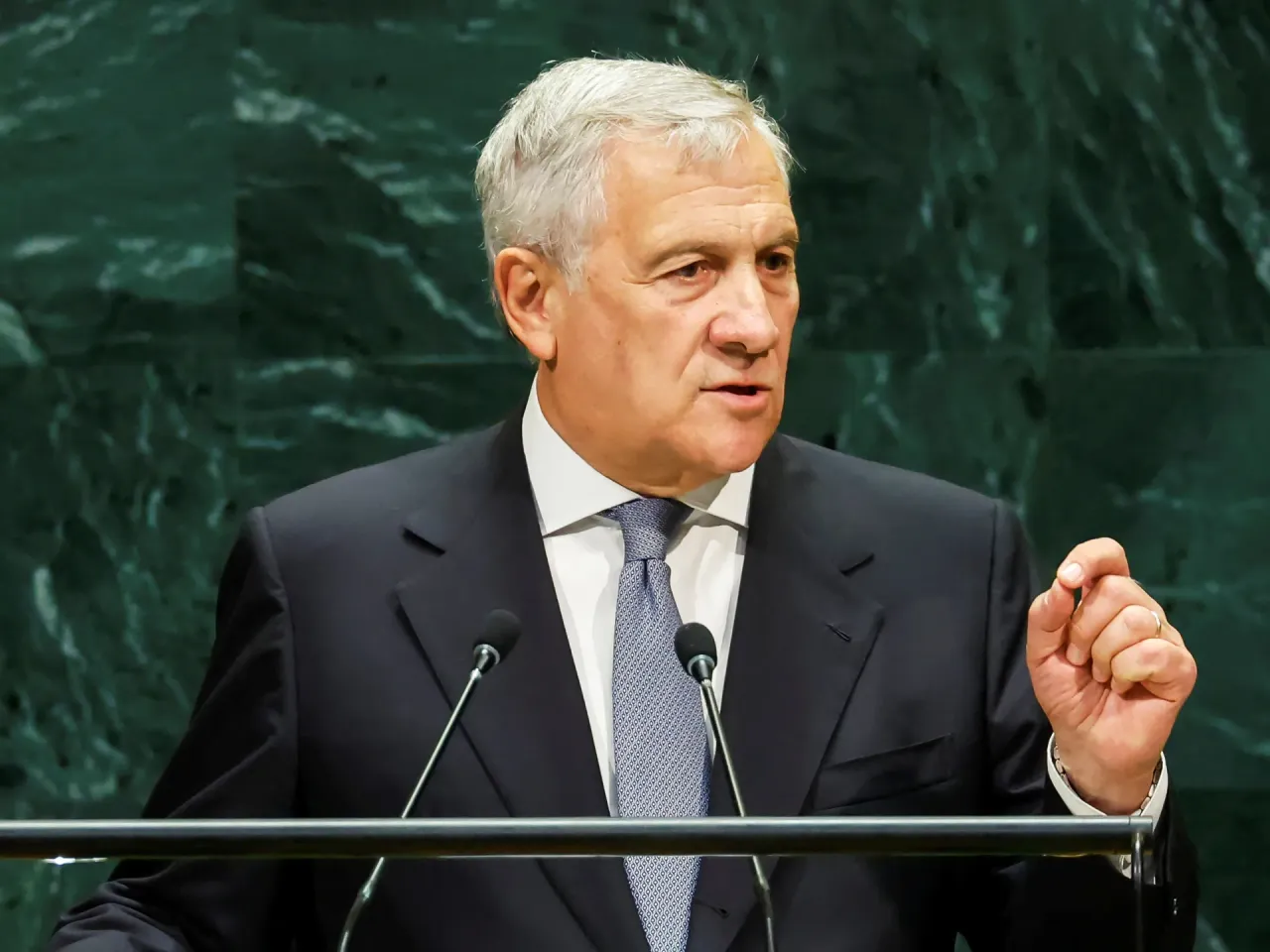
Italian Foreign Minister Antonio Tajani has announced that his personal data has been published on the dark web, with Prime Minister Giorgia Meloni blaming pro-Russian hackers for the breach.
Tajani, who also serves as Italy's vice prime minister, disclosed the incident in a post on X. "For days now, cybercriminals have been publishing my personal data on the dark web and seeking further information, effectively exposing me to new threats and intimidation," he wrote.
He said the targeting extended to his family. "They are also targeting my family; they are willing to pay for more details about me and my loved ones," Tajani stated. "My response is very simple: I will not be intimidated in any way."
Tajani did not specify what type of information had been shared but indicated the cyberthreat was ongoing. He said the ministry was taking the threats seriously and coordinating its response with allied countries.
The foreign minister suggested Italy's stance on Ukraine was the motivation behind the attack. "Italy's position on Ukraine is the political reason I have been targeted: defending the freedom of a sovereign state, taking a clear stand in support of a nation's democracy and independence, is dangerous in the eyes of these criminal entities," he said.
He also indicated the cyberthreats may be a reaction to the Italian government's efforts to strengthen the Foreign Ministry's digital defences.
Prime Minister Meloni expressed solidarity with Tajani following what she described as "revelations about the activities of pro-Russian hackers, and the publication on the dark web of personal data." She called attempts to sell confidential information about government officials "a matter of grave concern that must be addressed with the utmost determination."
The incident comes amid a broader wave of cyber and hybrid incidents across Europe, including hoax bomb threats that have forced flight diversions, security alerts at broadcasters, and attacks on supermarket refrigeration systems.