French authorities have imposed overnight curfews in parts of central Paris and other cities following a weekend of widespread riots and looting across the country.
Police in Paris said a curfew would be in force between 23:00 local time and 06:00 in Place de la Republique, where protesters had gathered over the weekend, and the Les Halles shopping area. A ban on unauthorised gatherings was also imposed in several other parts of the city centre.
Partial curfews restricting the movement of young people and public gatherings were announced for cities including Marseille, Bordeaux, Nice and Lyon in the south, as well as Lille and other towns in the north.
French cities that had curfews in place on Monday reported a generally calm night. The government said it was maintaining the measures where necessary on Tuesday.
The protests began last month with students demanding better school conditions. They have since escalated to encompass a broader range of concerns, with numbers at weekend demonstrations bolstered by trade unions and various protest groups. Some 550,000 demonstrators took to the streets over the weekend, protesting against rising fuel prices, the cost of living and deteriorating public services, including schools.
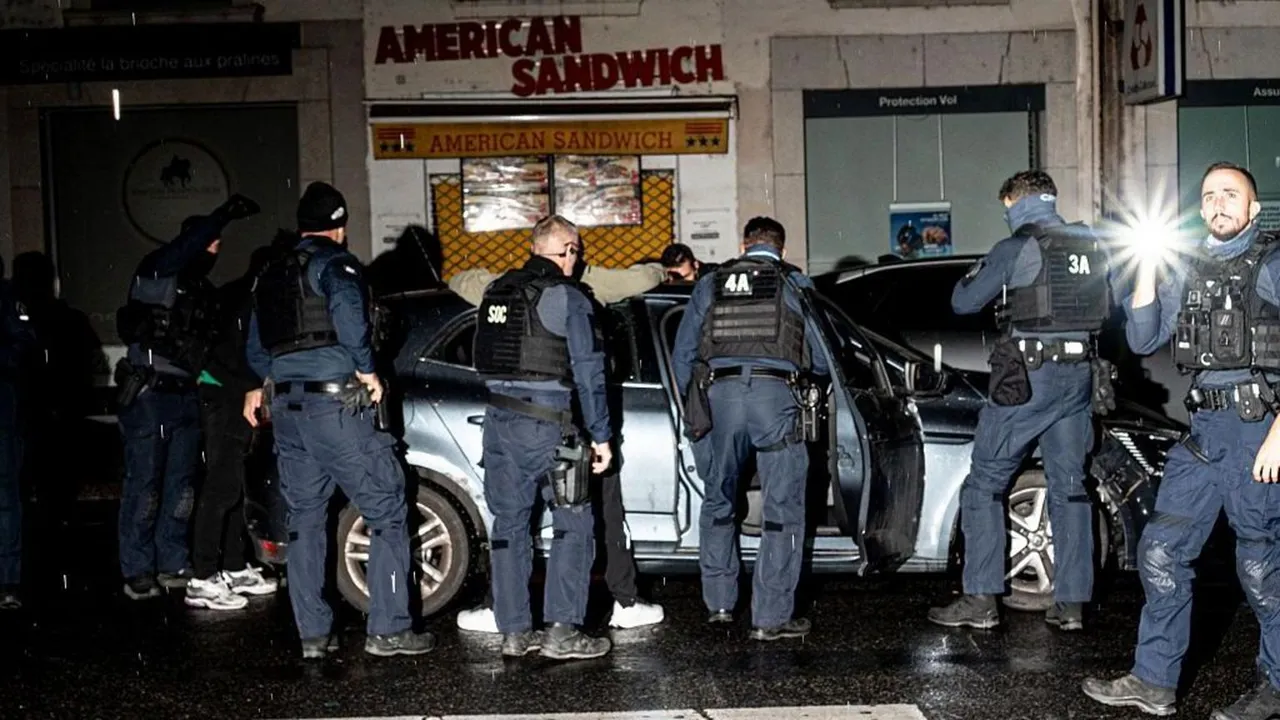
Groups of rioters, some dressed in black and wearing masks and balaclavas, were seen setting fire to cars and buildings and looting businesses in Paris, Marseille and other cities and smaller towns. In the central city of Limoges, the ornate 19th-century city hall was gutted by a fire started by rioters on Saturday, with its clock tower and roof collapsing as the flames took hold.
More than 2,500 people have been arrested, officials said. About 1,000 police officers were injured. One demonstrator's hand was blown off by a police crowd-control grenade, according to reports.
Interior Minister Laurent Nunez admitted that police had "lost control" in some cities. He had been strongly criticised by opposition politicians over the government's preparedness for the disorder. Nunez attempted to resign on Sunday, but President Emmanuel Macron refused his resignation, citing "the need for continued command of law enforcement." The Elysee Palace said Nunez should be transparent over what Macron called "intelligence and foresight failings." Two hundred investigators are now analysing CCTV footage to identify possible ringleaders.
Following a crisis meeting on Monday, Prime Minister Sebastien Lecornu said local mayors were being given the power to implement curfews "where they need." He did not rule out imposing a state of emergency.
Lecornu also said the government would set aside money to help affected areas recover from the damage, with funding to be recovered from those responsible for the violence. "There will be a law that will be put in place to find ways of making sure that those who have damaged properties will have to pay," he said. He also announced a partial unemployment fund for those unable to work as a result of the riots and looting.
More than 2,000 shops and other businesses were directly impacted by the weekend's violence, according to the head of France's Chambers of Commerce and Industry. Its president, Alain Di Crescenzo, said damage from the riots was estimated at "hundreds of millions of euros." Jean-Luc Chauvin, president of the Marseille branch, said many of the city's shop owners were in "deep distress" and feared for their survival.
Looted goods were listed for sale on certain online platforms, two French government ministers said. Secondhand marketplace Vinted said the sale or solicitation of stolen goods was "strictly prohibited." "Since this weekend, our teams have taken immediate action to identify and remove listings linked to the looting, and we have stepped up monitoring of suspicious listings," the company said.
The United States Embassy in France issued an alert advising its citizens to avoid areas affected by the demonstrations and to "exercise caution" near large gatherings. China and Germany issued similar warnings.
---