A fresh wave of bomb threats struck European aviation and media organisations on Friday, causing widespread disruption across several countries.
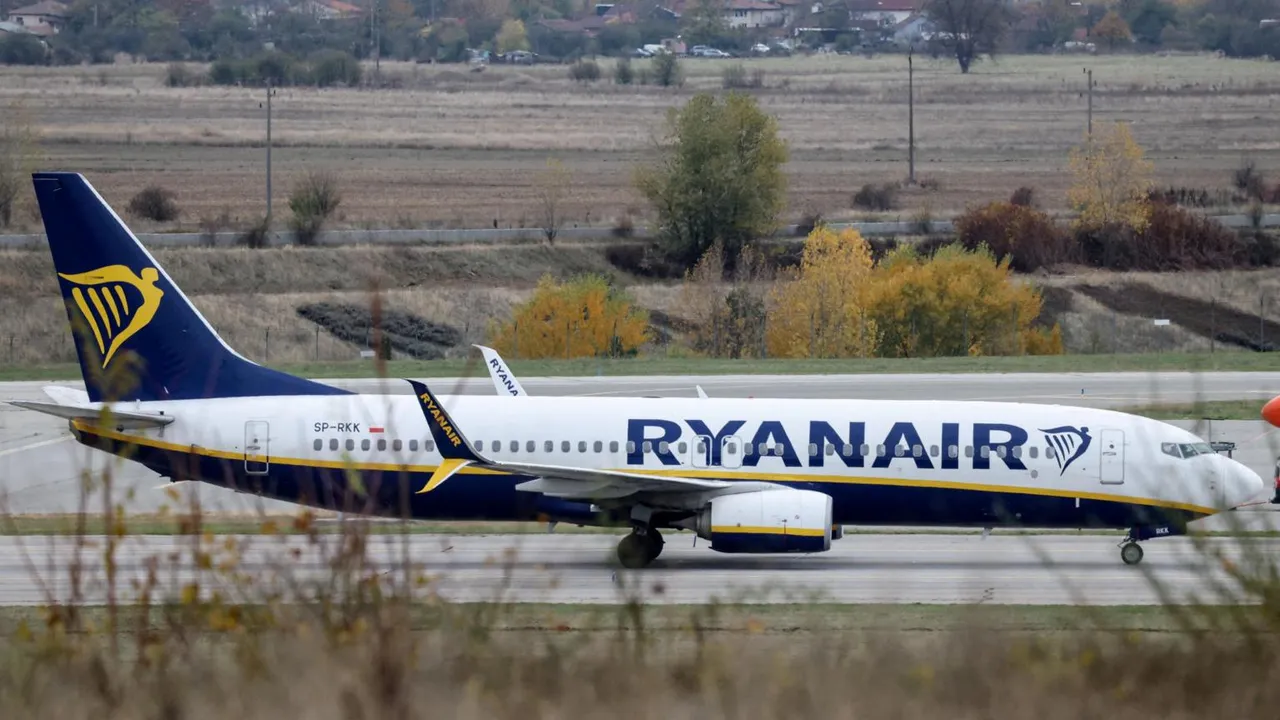
At least 11 flights were targeted in the Czech Republic and Bulgaria, according to reports. A Ryanair flight scheduled to depart Lisbon for Rome was also among those threatened. In France, at least four flights received threats, though all landed safely. No explosives were found on any aircraft as of Friday.
The disruption came amid a broader string of hoax threats that had already caused flight diversions earlier in the week.
As airlines dealt with the latest wave of threats, several media organisations also received security warnings. Irish national broadcaster RTÉ evacuated its building, as did staff at the Irish Independent newspaper and the Dublin offices of radio stations NewstalkFM and TodayFM. UK broadcaster Sky also confirmed it had received a security threat.
Sky, which is owned by Comcast, said in a statement read by a presenter on its news channel that it had "carried out a security assessment and reported the matter to the relevant authorities." It added: "The safety and security of our colleagues is our primary concern, and we are working closely with authorities to ensure our people and operations remain secure."
Irish police said they were "aware of a threat made against media organisations here and in Europe."
No formal link has been established between the threats against airlines and those against media outlets. However, the Irish government warned it appeared to be a "likely coordinated campaign of disruption."
In a statement, the Irish government said: "Hoax threats such as these cause fear, distress and disruption to people going about their daily lives and activities; they achieve no positive purpose whatsoever. It is not known yet who is responsible for these threats, whether it is individuals or a centralised or co-ordinated effort."
Irish Prime Minister Micheál Martin described the situation as "worrying" and said his government's first priority was the safety of the Irish public.
"Yesterday, there appeared to be coordinated efforts to disrupt air travel," he said.
Martin said it was not yet known whether the threats had come from individuals or represented a coordinated attack, but confirmed they were being taken seriously.
Ireland is scheduled to host two high-profile European Union meetings in Dublin next week.
The incidents follow earlier hoax bomb threats directed at Italian airports this week, in which the Russian extremist group known as "Male State" was named. The group denied any involvement.
Responding to a query from sources, an account on Telegram linked to the group and its founder Vladislav Pozdnyakov dismissed the suggestion. "What Male State? Where have you seen it? It hasn't existed for many years," the message read. "If tomorrow they sign a [threat] letter, say, from Putin, will you then try to reach our president to ask your stupid question?"
Authorities have not confirmed who is responsible for the threats.