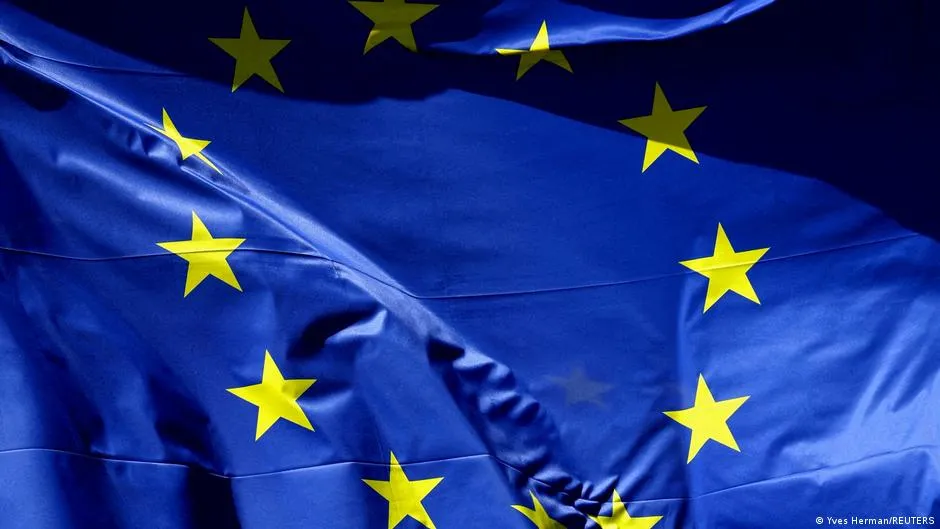
European Union leaders are gathering in Brussels on Thursday for two days of talks focused on major economic challenges facing the bloc, including intensifying competition from China, a contentious budget debate, and continued support for Ukraine.
The summit agenda reflects mounting pressure on the EU from multiple directions, as leaders seek common ground on issues that have long divided member states.
On the trade front, leaders are expected to discuss ways to address the bloc's widening trade deficit with China, which reached 360 billion euros ($400.4 billion) last year and is projected to grow further this year.
The meeting comes less than a week after the European Commission reached an agreement with Beijing to curb imports of hybrid cars from China. The EU has accused China of unfair economic practices, arguing that state subsidies for Chinese industries create an uneven playing field.
Industry groups warn that the surge in Chinese imports is contributing to an increasing number of factory closures across the bloc.
Ahead of the summit, German Chancellor Friedrich Merz and French President Emmanuel Macron called for new EU measures to counter actions leading to market distortion. Leaders are also expected to address soaring energy prices within the bloc as a further drag on competitiveness.
The EU's next seven-year budget, covering the period from 2028 to 2034, is another contentious item on the agenda. A special summit is scheduled for November in an attempt to reach agreement on the package, which requires unanimous approval from all member states.
Budget negotiations are traditionally divisive, with wealthier net contributor states frequently clashing with those that depend on EU cohesion funds. The talks at this week's summit are not expected to produce a breakthrough, though leaders hope to reach a compromise by the end of the year.
Pressure to finalize the budget is increasing ahead of elections next year in several member states, which could make a broadly acceptable deal even harder to secure.
On Friday, EU leaders are set to turn their attention to Ukraine, with President Volodymyr Zelenskyy invited to attend the session. Zelenskyy is expected to urge the bloc to increase its support for Kyiv as Russia intensifies strikes ahead of winter, with dozens of civilians reported killed.
European support for Ukraine is taking on greater significance as the United States, under President Donald Trump, continues what observers describe as an ambivalent approach to the conflict. That stance was underscored by a recent deal securing Russian diesel imports despite international sanctions.
Trump has also called for Zelenskyy to be replaced as Ukraine's leader.