The European Union has agreed to remove two Russian billionaires, Alisher Usmanov and Mikhail Fridman, from its sanctions list, while extending restrictions on nearly 3,000 other individuals and entities for three years. The decision has drawn sharp condemnation from Ukraine.
The compromise was reached ahead of a Tuesday deadline to preserve the EU's Russia blacklist. EU sanctions require unanimous approval from all 27 member states, meaning a single country's objection can block any renewal.
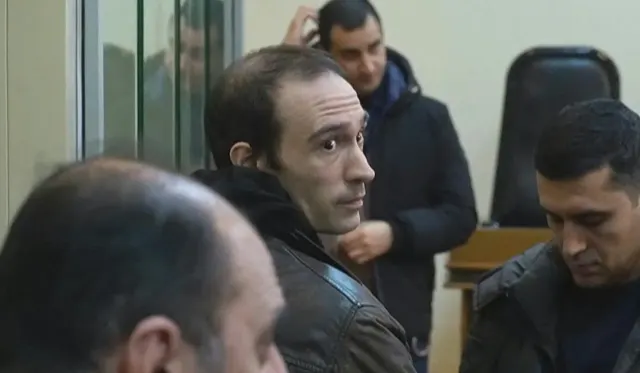
France triggered the standoff this month when it called for Usmanov, a Russian-Uzbek national, to be removed from the list on "national security" grounds. Reports linked the move to a prospective prisoner exchange deal involving French nationals and Azerbaijan. Luxembourg then sought the same treatment for Fridman, a Russian-Israeli magnate who is suing the Grand Duchy for $16 billion (approximately 12 billion pounds) over the freezing of his assets.
Latvia initially opposed the delistings, with Prime Minister Andris Kulbergs announcing a last-minute objection on Monday night, citing upcoming parliamentary elections on October 3. He said he could not accept the proposed compromise and instructed his foreign minister to enter talks with Paris and Brussels. Diplomats said Latvia ultimately agreed to abstain on the two delistings.
As part of the deal, the sanctions on the remaining individuals and entities were rolled over for 36 months rather than the usual six. A spokesperson for Ireland's EU presidency, which brokered the talks, described it as "a difficult compromise," adding: "Until now, these listings have been reviewed and assessed on a six-monthly basis; today's decision to renew on a 36-month basis enhances the durability and predictability of the EU sanctions framework."
Ukraine condemned the decision in strong terms. President Volodymyr Zelenskyy wrote on social media: "No name on the sanctions list is there by accident: each one represents a reason why this war started and continues to this day."
Foreign Minister Andriy Sybiha called the outcome "shameful and unjustifiable" and "unacceptable," warning it sent the wrong signal to Moscow. "Moscow is celebrating because it got what it wanted: a sense of impunity, the humiliation of the EU, and division among Europeans," he wrote on X. Sybiha urged all EU member states to impose national-level sanctions on the two individuals. Latvia has already said it would do so.
Kremlin spokesperson Dmitry Peskov welcomed the prospect of the two oligarchs being removed from the list, claiming EU sanctions were illegal and that all Russians should be delisted.
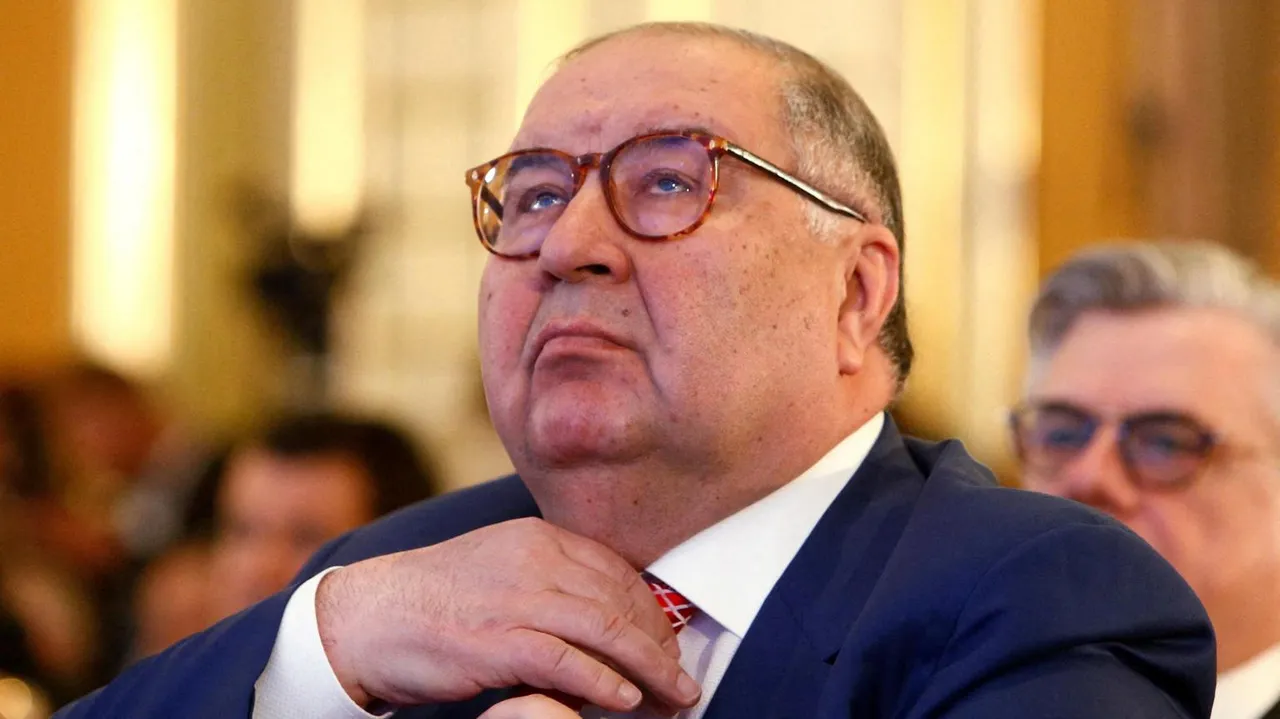
Usmanov founded USM Holding, an investment group with interests in iron, steel, copper and telecommunications through the Megafon company. He has previously had ties with English Premier League clubs Arsenal and Everton. The EU froze his assets in 2022, describing him as "a pro-Kremlin oligarch with particularly close ties to Russian president Vladimir Putin." Usmanov said the decision was "unfair."
The exemptions angered many EU member states, who believe the move sets a damaging precedent by allowing individual countries to weaken the sanctions regime in defence of national interests.
The broader blacklist remains in place and includes Russian President Vladimir Putin, Foreign Minister Sergey Lavrov, members of the State Duma, major Russian banks, energy companies and entities linked to the military-industrial complex. Senior EU officials have said they plan to present approximately 1,600 new designations to foreign ministers next month, targeting individuals and entities involved in Russia's military-industrial complex.