Denmark has summoned Russia's ambassador after a Russian warship fired two emergency flares at a Danish army helicopter in the Baltic Sea, in the latest incident attributed to Moscow in the region.
The incident occurred during what Denmark described as a routine monitoring overflight of the Russian frigate.
Prime Minister Mette Frederiksen condemned the action. "Reckless action from Russia towards Danish military during a routine overflight yesterday. Russian actions are meant to intimidate and divide. They will not succeed. We will not waver," she said.
Foreign Minister Lars Lokke Rasmussen called the frigate's behaviour "completely unacceptable."
Defence Minister Jeppe Bruus convened an all-party meeting to brief political leaders on the details of the incident. Former defence minister Troels Lund Poulsen warned that the episode was further proof of Russia's "extremely aggressive" behaviour, saying Moscow was seeking to "provoke potential conflicts." "We should be very aware of that," he said.
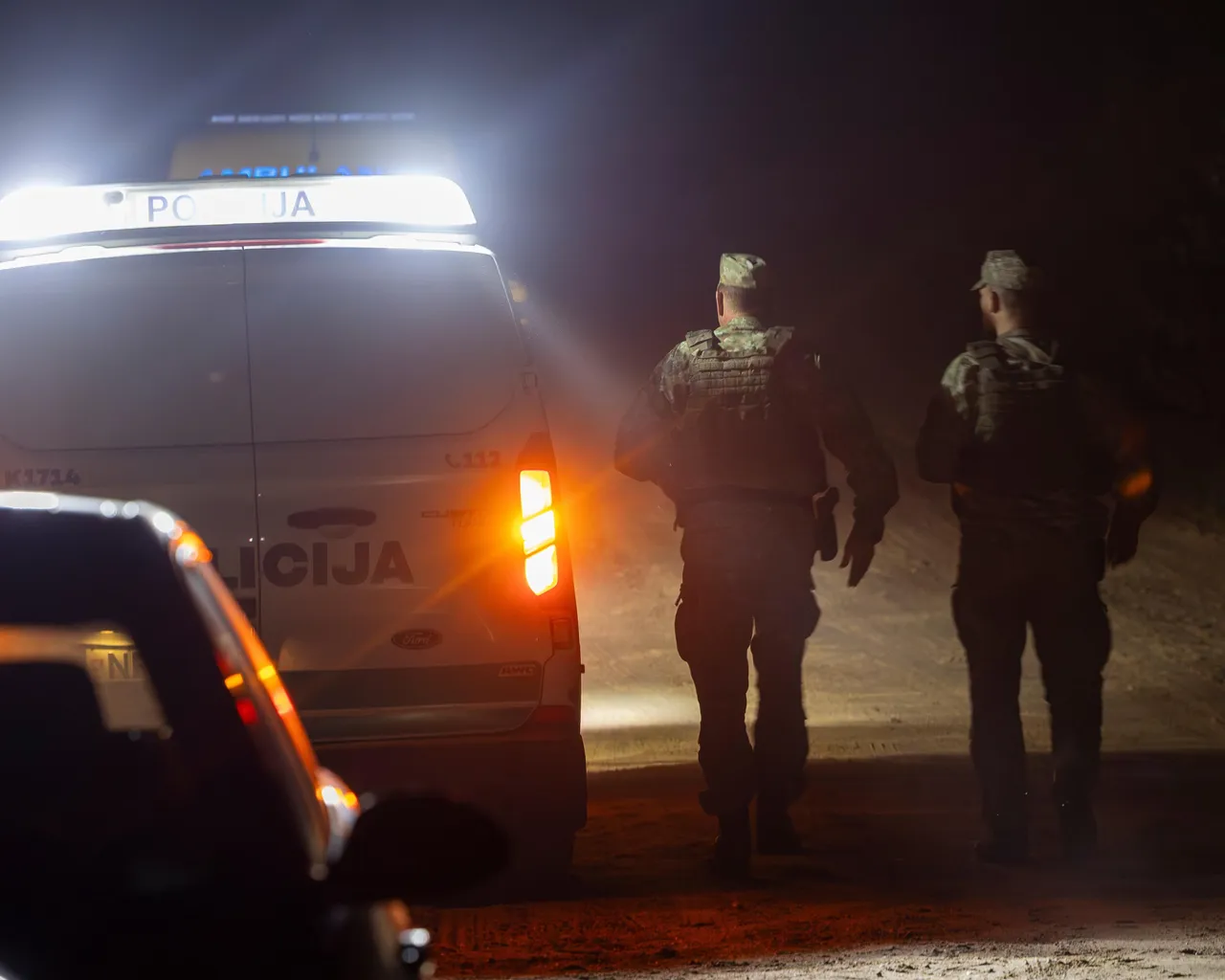
In a separate but related development, NATO fighter jets shot down a drone believed to have flown in from Belarus over Lithuanian territory near Pratkunai village. The drone was intercepted by Italian fighter jets operating as part of a NATO mission, confirmed by Italy's defence ministry.
Lithuanian Defence Minister Kestutis Budrys said he had informed NATO allies of the incident and that discussions were now under way on how to strengthen the alliance's eastern flank. He said Lithuania would be "requesting discussions on these topics both in the EU and NATO, because it is obvious that we all still have a lot of homework to do," according to Lithuanian public broadcaster LRT.
Also in the region, Dutch authorities launched an investigation into a major disruption to parts of the Netherlands' railway network, with sabotage suspected after objects were found placed on tracks at 13 locations in the central part of the country.
Dutch rail infrastructure operator ProRail said the objects caused failures across the network, affecting several level crossings and disrupting road traffic. In a statement, ProRail explained that as a result, "our computer system identifies a section of track as occupied, even though there is no train present."
"Because safety always comes first, signals automatically turn red. As a result, trains must stop or slow down. Level crossings can also malfunction," the operator said. ProRail did not comment on who may be responsible.
Meanwhile, Sweden's parliamentary election results may not be finalised until Thursday, according to the country's election authority, which said it was expecting a larger than usual number of late-arriving ballots — potentially around 300,000.
With 95 percent of votes counted, the left-leaning opposition bloc held a narrow lead with 176 seats against the governing bloc's 173, with approximately 32,000 votes separating the two sides.