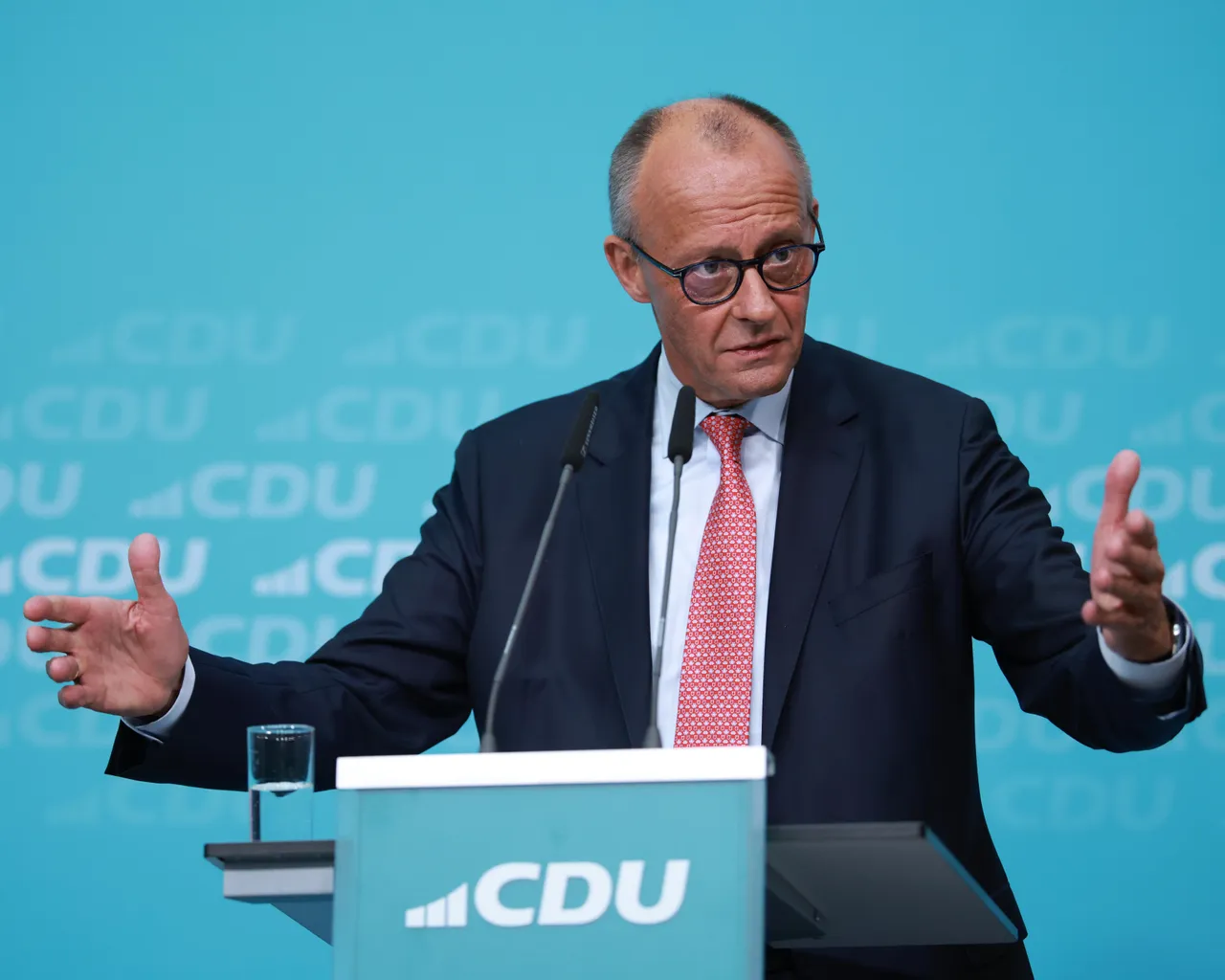
Voters in Berlin and Mecklenburg-Western Pomerania went to the polls on Sunday, with the political future of Chancellor Friedrich Merz hanging in the balance and the far-right Alternative fur Deutschland (AfD) targeting further gains.
The vote came two weeks after a regional election in Saxony-Anhalt in which the anti-immigration, pro-Kremlin AfD scored its highest ever result in a state poll, falling just short of an absolute majority. The party is now looking for defectors from other parties that would make it the first far-right force to govern a German state since the Nazi period.
About 2.5 million people were eligible to vote in Berlin and nearly 1.3 million in the Baltic coast state of Mecklenburg-Western Pomerania. Polling booths opened at 8am local time and closed at 6pm.
The outcome is seen as a key test for Merz, who has been in power for only 16 months. His personal approval ratings have fallen to 10%, and his credibility has been damaged by broken campaign promises to return Europe's largest economy to growth and to reduce the influence of the AfD, currently the biggest opposition party in parliament and the leading force in national opinion polls.
Merz has resisted calls to resign and vowed to fight for a package of economic and social welfare reforms he describes as crucial to Germany's future. "We as a government were elected for four years, I was elected for four years," he told an industry group. "And I want to use these four years to lead the country out of this difficult period."
He cancelled a planned appearance at the UN General Assembly in New York because, according to a government official, "his presence is required in Berlin" following the elections.
In Berlin, one of Germany's 16 federal states, the incumbent Christian Democratic Union (CDU) was vying for first place against the far-left Die Linke, which has called for the expropriation of corporate landlords to address rising housing costs. About 85% of Berlin households rent their homes, and advertised rents have nearly doubled since 2014. The AfD was polling in third or fourth place, even in the cosmopolitan capital.
The CDU's position in Berlin was further complicated after the city's mayor, Kai Wegner, abandoned his re-election bid in July following contradictions over his decision to play tennis while large parts of the capital were hit by an arson-triggered power blackout last winter. Stefan Evers, Berlin's chief finance official, replaced him as the CDU candidate but failed to lift the party's polling numbers.
The situation appeared even more precarious for Merz in Mecklenburg-Western Pomerania, where the AfD and the Social Democrats were locked in a neck-and-neck race. The CDU risked its first single-digit result in 75 years. Should the party fall below the 5% threshold required for parliamentary representation, it would be an unprecedented outcome in the postwar period and a severe blow to Merz's position.
Speculation has grown that Merz could be replaced by another Christian Democrat as chancellor well before the next general election, due in 2029, though snap elections are currently regarded as unlikely but not ruled out.
Holger Schmieding, chief economist at Berenberg bank, said he still expected Merz to serve out his full term. "But the risk that the CDU may revolt against him and replace the unpopular chancellor seems to have risen from 20% 10 days ago to roughly 35% now, in my view," he said.
Polls indicated the AfD would fall well short of a governing majority in either of Sunday's elections, despite its clear momentum following the Saxony-Anhalt result.