Germany's far-right Alternative for Germany (AfD) is on course to win Sunday's state election in Saxony-Anhalt, with polls placing the party at 40 percent or more of voting intentions. A victory could make it the first far-right party to lead a German state government since World War II.
The election, scheduled for 6 September 2026, has drawn intense national and international attention. Authorities have classified the AfD as "firmly rightwing extremist," citing its antisemitic, anti-Islam and anti-migrant discourse.
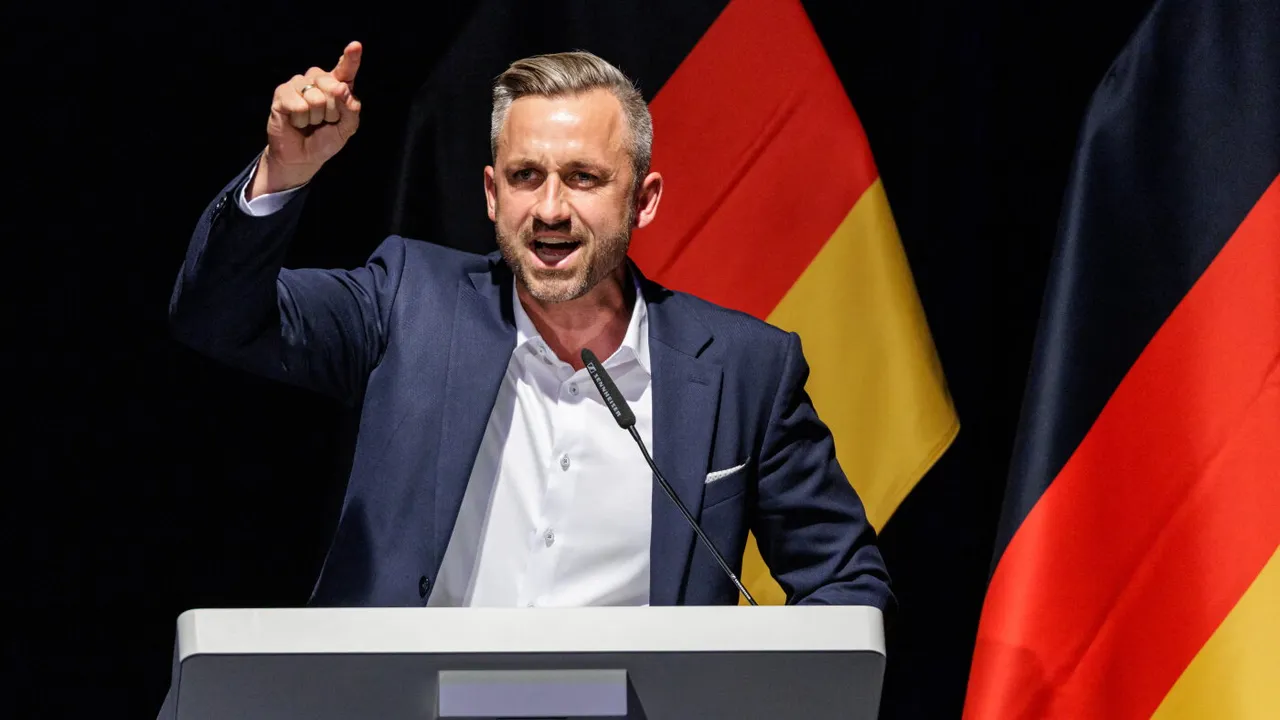
Leading the AfD's campaign in Saxony-Anhalt is Ulrich Siegmund, 35, a former marketing professional and TikTok personality who has built a following on social media nearly half the size of the state's eligible voting population. Unlike many of his party colleagues, Siegmund projects an upbeat, polished image — dressed in crisp white shirts and known for his broad smile — a deliberate contrast to the grimmer tone associated with much of the AfD.
Siegmund keeps his campaign speeches short and energetic, focusing on mood rather than policy detail. His central message is a promise to restore what he calls "the Germany of old," drawing on East German nostalgia and symbols such as Simson mopeds and retro aesthetics. The strategy taps into a deep sense of economic and cultural decline that has built up over decades in the region, alongside growing distrust of mainstream parties.
The AfD's manifesto for Saxony-Anhalt promises a "complete, 180-degree" overhaul of migration policy. Specific pledges include educating refugee children separately from other pupils, redirecting integration funds toward a unit focused on "remigration," and calling on federal authorities to stop recognising Ukrainians as war refugees. The party has also promised to begin deportations "from day one" of taking office.
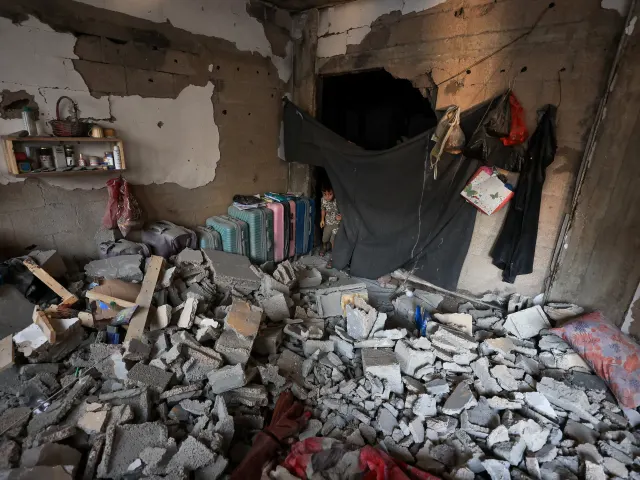
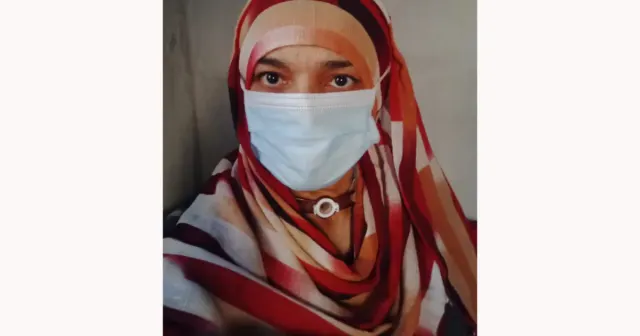
The prospect of an AfD-led government has left many residents with migrant backgrounds deeply alarmed. Fatemeh, 44, fled Iran three years ago with her son after he was detained by police during protests over the death of Mahsa Amini in police custody. The two are still awaiting a final decision on their asylum claim in Saxony-Anhalt.
"I worry about it every day," she said. "I can't stop thinking about my son and what might happen to us." As a convert to Christianity, she fears the consequences of being returned to Iran. "They might send us back to Iran," she said. "As a converted Christian, that could mean the death penalty for me."
Undra Dreßler, of Lamsa, an umbrella organisation for migrant groups in the state, said her office had been receiving calls daily from people weighing whether to leave. "People are really worried and scared," she said. "For those with migrant backgrounds, it feels like this vote is about their right to exist and their security."
In June, Lamsa appealed to Germany's 15 other states, asking them to prepare to receive refugees relocating from Saxony-Anhalt after the election. "It's a precautionary measure," Dreßler said. "The social climate here is already extremely heated. We don't know what will happen after the elections."
Tensions in the state have been running high since December 2024, when a Saudi man drove a car into a crowded Christmas market in Magdeburg, killing six people and injuring hundreds more. Authorities described the attacker as an anti-Islam activist with sympathies toward the far right. Despite this, the incident was seized upon by rightwing voices to direct blame at migrants and minorities.
Reports of racist attacks rose sharply in the aftermath. "By mid-2025, we had received as many reports of racist insults and attacks as we did in all of 2024," Dreßler said. Kirti, 27, a student from India living in Magdeburg, described the atmosphere on the streets. "When you're on the street, some people harass you verbally," he said. "They show you the middle finger."
Not all voters, however, share those concerns. Alexander Winsek, 49, an aviation engineer in Halle, said he was considering voting AfD for the first time, drawn in part by the party's stance on migration. "I think the AfD has some very good ideas, like limiting the influx of migrants," he said. He added, however, that he does not agree with all of the party's positions: "I'd like to stay in NATO, I'd like to keep the euro, and I'm not exactly pro-Russia." He said Siegmund's optimistic tone set him apart from others in the party.
Critics of the AfD are also making themselves heard. Hannes Kreschel, 23, a law student and former AfD supporter, attends party rallies to challenge voters on camera, pointing out what he describes as gaps between the AfD's campaign image and its actual policies. The exchanges are not always peaceful. "They try to hit the microphone and they try to hit me," he said. "Of course we're confronting them with facts, but I try to be nice because I think you should separate the people from their talking points."
Kreschel once voted for the AfD as a protest against those in power, but changed his mind after reading the party's policies in detail. "I figured out that this is not the country I would like to live in," he said. "I would like to live in an open country which is friendly and not full of hate."